


May 11, 2026
Gas and electric patio heaters are workhorses in commercial outdoor settings, but even well-maintained units develop issues over time. Knowing which patio heater parts fail most often, and why, keeps service intervals short and outdoor spaces operational when it matters most.
Most patio heater problems trace back to a small set of components. Thermocouples, igniters, burner assemblies, and control valves account for the majority of service calls on gas units. Electric units tend to fail at the heating element, reflector connections, or thermostat. In both cases, early diagnosis prevents a minor part replacement from becoming a full unit swap.
When a Gas Patio Heater Won't Ignite
Ignition failure is the most common complaint on gas-fired patio heaters. The cause is usually one of three things: a fouled or misaligned thermocouple, a worn igniter, or a blocked pilot orifice.
The thermocouple is a safety device that senses pilot flame and holds the gas valve open. When it weakens or corrodes, the valve shuts off even when the pilot is lit. Testing it requires a multimeter; a reading below 25 millivolts typically indicates replacement is due. Thermocouples are inexpensive and straightforward to swap, so this is a good first step before investigating other patio heater parts.
If the thermocouple tests fine, the igniter is the next candidate. Piezo igniters degrade with repeated use and exposure to outdoor conditions. A clicking igniter that produces no spark usually needs replacement rather than adjustment. On units with electronic ignition, check the wiring connections and battery contacts before condemning the module itself.
A blocked pilot orifice is less common but worth checking on older units or those stored through wet seasons. A fine wire or compressed air clears most blockages without damaging the orifice seat.
Gas Valve and Burner Assembly Problems
A heater that lights but produces low heat or uneven flame usually has a partially obstructed burner or a failing gas valve. Burner ports clog with debris, spider webs, and oxidation, all of which disrupt the flame pattern. Cleaning the burner with a soft brush and compressed air resolves most cases. Since the burner assembly is one of the higher-wear patio heater parts on gas units, inspect it annually even when the heater is performing well.
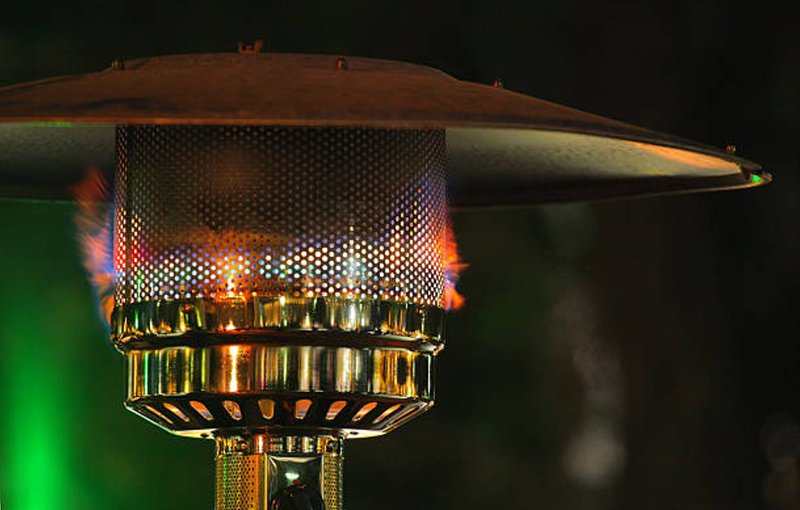
Gas valve failure is less common but harder to diagnose in the field. A valve that sticks open or closed, or one that won't modulate properly, typically requires replacement rather than repair. Before replacing a valve, confirm that the regulator is delivering correct inlet pressure. Low supply pressure mimics valve failure and is worth ruling out before ordering parts.
For a broader look at how gas-fired radiant systems handle combustion efficiency across commercial applications, this overview covers the underlying principles.
Troubleshooting Electric Patio Heater Parts
Electric infrared patio heaters have fewer moving parts than gas units, but they still develop predictable failure points. The heating element is the most common, particularly on units exposed to moisture or physical impact. A burnt or cracked element produces no heat and is typically visible on inspection. Replacement elements are model-specific, so confirm the part number before ordering.
Reflector damage is worth checking alongside the element. A dented or tarnished reflector reduces radiant output significantly even when the element itself is functional. On commercial units, reflectors take physical abuse from cleaning crews and weather. Keeping them clean and undamaged is as important as maintaining the element itself.
Thermostat and control board failures tend to present as intermittent operation or a unit that runs at one output level regardless of settings. Before replacing either component, check all wiring connections for corrosion. Outdoor environments accelerate oxidation at connection points, and a corroded terminal often mimics a failed component. For a deeper look at how high-intensity electric infrared systems compare to gas-fired alternatives, this comparison is a useful reference.
Preventive Maintenance by Season
The most effective way to manage patio heater parts costs is to reduce failure frequency in the first place. A simple seasonal routine covers most of it.
Before the heating season, inspect all gas connections for leaks using soapy water, clean burner ports, test the thermocouple, and verify igniter function. On electric units, check the element for visible damage, clean the reflector, and inspect wiring connections. After the season, drain condensation from gas lines on stored units and cover or store electric units away from standing moisture.
Commercial operators running multiple units should keep a small inventory of high-turnover components on hand: thermocouples, igniters, and replacement elements for the most common models in their rotation. Downtime during peak service hours is a revenue problem, not just a maintenance one. CRC engineers its systems for durability and near-zero maintenance from the ground up."
Patio Heater Parts and the Case for Replacement
Most patio heater issues are parts-level problems, but some warrant a full replacement assessment. A heater that requires repeated igniter or thermocouple replacements within a single season may have a deeper issue with gas pressure, venting, or moisture ingress.
Similarly, an electric unit that blows elements repeatedly likely has voltage irregularities or a failing control board driving the failures. The ENERGY STAR guidance on commercial heating equipment is a useful benchmark when evaluating whether a unit still meets efficiency thresholds worth maintaining.
Considering an Alternative?
When part replacements stop holding, the economics shift. A well-specified replacement unit with a lower maintenance profile often costs less over three years than a problem unit that demands constant attention.
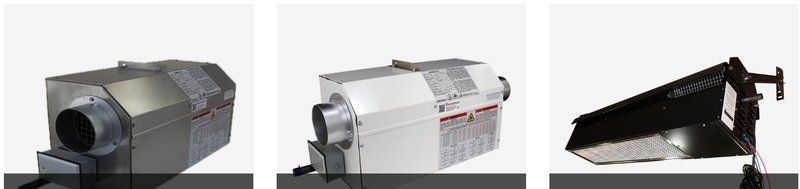
To explore which CRC heating options and if there’s a better solution for your outdoor commercial space, reach out for a specification consultation.