


August 5, 2026
Sanctuaries ask for something most commercial spaces do not require: complete quiet. A blower-driven forced-air system cycling on mid-sermon pulls attention away from exactly what the room is built for. Similarly, a return grille rattling during a moment of silence creates an immediate distraction. Reliable church heating must solve the comfort problem without generating background acoustic noise, which presents a steep mechanical design constraint.
Forced-air loops struggle in large-volume worship spaces for a very basic physical reason. High ceilings allow warm air to rise and stratify well above the congregation. Consequently, the system must overheat the upper architectural volume just to keep people in the lower pews comfortable. Radiant tube heaters skip that thermal step entirely by directing infrared energy downward from polished overhead reflectors.
This directional system warms the floor mass and the occupants directly instead of warming the air mass. The same mechanics that make radiant energy practical in aircraft hangars apply directly to a sanctuary with a forty-foot ceiling. The laws of thermal physics do not change based on how the building is used.
What Church Heating Costs When Nobody Tracks the Load
The ENERGY STAR program for congregations estimates that the average worship facility can cut energy use by up to thirty percent. Achieving those savings requires a mix of low-cost operational adjustments and targeted equipment modifications. These utility savings go straight back into a congregation's core mission rather than leaving the facility to pay an inflated power bill. However, most churches never benchmark their monthly energy use at all. This lack of data means that thirty percent savings potential sits completely unclaimed in older buildings. Committees simply have never had a structured engineering evaluation of where the thermal energy goes.
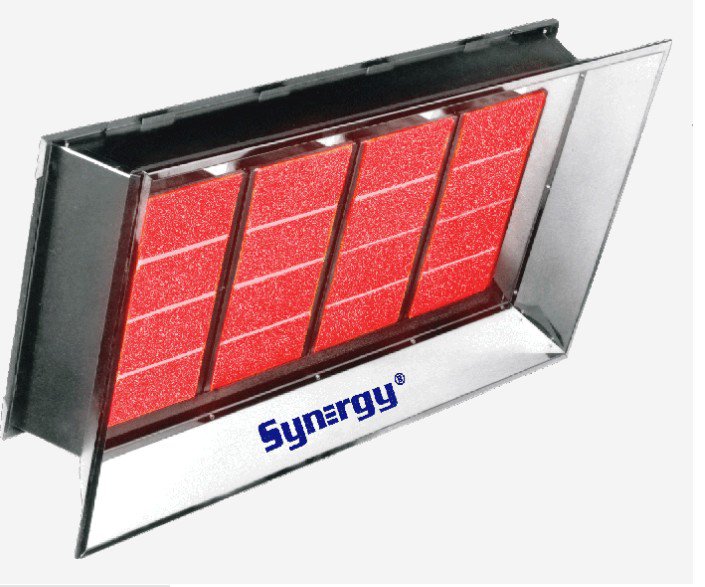
Radiant systems contribute to these utility reductions differently from a standard heating appliance replacement. The system heats structural surfaces and occupants rather than the entire air volume of a tall sanctuary. Because you do not heat thousands of cubic feet of open rafters, the net thermal load drops significantly. A historic building doesn’t have to be new or recently renovated to benefit immediately from that basic physical difference.
Sizing Multi-Zone Layouts for Peak Service Loads
Worship facilities manage highly non-linear occupancy schedules that complicate standard mechanical system calculations. A sanctuary may remain completely empty for six days a week, then fill to maximum capacity within thirty minutes on Sunday morning. This rapid load shift overwhelms traditional hydronic boiler arrays or forced-air systems because those designs require hours of pre-heating to raise the core indoor temperature.
Radiant tube layouts allow building operators to implement micro-zoned heating strategies across the property footprint. Technicians can group specific infrared units to heat only the occupied pews during early choir practices without firing the equipment over the empty altar or balcony. Isolating these thermal zones prevents fuel waste during partial-occupancy events, dropping operational overhead costs.
Managing Condensate Hazards While Addressing Church Heating in Historic Structures
Federal guidance on older worship facilities notes that many of these properties carry fragile environmental liabilities. Buildings constructed decades or a century ago feature historical masonry, plasterwork, and stained glass that react poorly to modern climate control variables. Moisture intrusion from condensate-producing heating equipment is one of those dangerous conditions. This moisture buildup tends to worsen quietly behind interior walls and above plaster ceilings long before a stain appears.
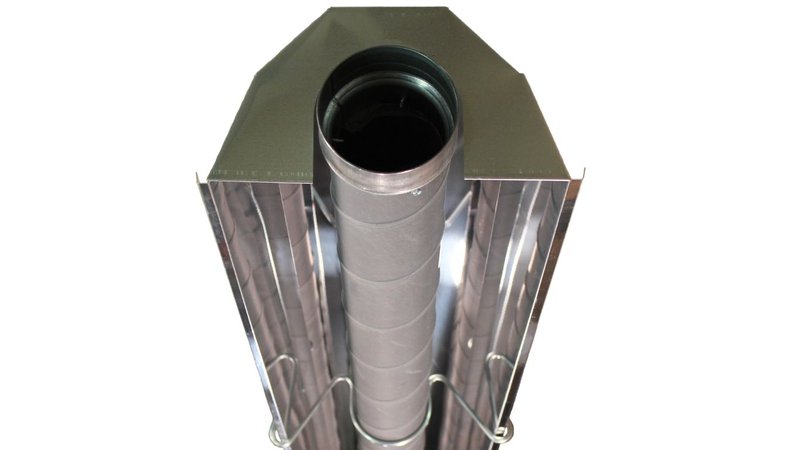
Combustion Research Corporation engineers its dry tube design to avoid this specific condensation failure mode. The system maximizes thermal efficiency at a threshold that prevents the exhaust gas from reaching its dew point inside the tube. Systems chasing absolute maximum efficiency typically gain only a marginal two-percent improvement, but they produce a continuous stream of acidic condensate. This liquid corrodes common metals and migrates into surrounding structural materials over years of winter operation.
For a facility committee already managing decades of deferred maintenance, that tiny efficiency gain introduces an unacceptable structural risk. The volunteer teams that handle church maintenance rarely have the tools to trace hidden moisture leaks before serious structural rot occurs. A dry tube system removes this entire category of risk, ensuring the heating system preserves the structural shell while delivering consistent, silent warmth.
Getting Started With Infrared at Your Place of Worship
Combustion Research can evaluate your current architectural footprint and provide an updated thermal load calculation for your facility. Contact us directly to review low-intensity radiant options for your sanctuary, fellowship hall, or multipurpose space.