

March 30, 2026
What is infrared in heating terms? It’s thermal radiation; energy that transfers by electromagnetic waves from a hotter surface (or emitter) to cooler surfaces, without needing to “heat the air first.” That distinction matters in warehouses, hangars, agricultural buildings, and service bays where infiltration, door cycles, and stratification can make air-only heating work harder than it should.
Combustion Research Corporation builds low-intensity infrared systems around an “Optimum Efficiency” mindset: equipment selection and layout that aim for stable comfort and long service life, not brochure-chasing “maximum efficiency” claims that can ignore real operating conditions.
What Is Infrared Compared With Convection and Conduction
If you’re explaining infrared to an owner or architect, it helps to separate the heat-transfer modes. Convection heats the air and relies on mixing; conduction transfers heat through direct contact; radiation transfers heat through waves between surfaces and occupants. ASHRAE describes thermal radiation as heat transfer by electromagnetic waves that travel in straight lines between surfaces (or a source and a surface).
In a typical industrial high-bay, convection-heavy heating often drives warm air to the ceiling first. With frequent air exchange (open doors, exhaust fans, make-up air), that warm air is the first thing to leave the building, and the occupied zone can still feel cool.
An infrared approach shifts more of the heat delivery to the occupied zone by warming floors and other surfaces near floor level, which then influences comfort.

How Infrared Changes Comfort: Mean Radiant Temperature and Operative Temperature
Comfort is not just a thermostat number. ASHRAE Standard 55 treats comfort in terms that include mean radiant temperature (MRT) and operative temperature, because people exchange heat with surrounding surfaces as well as air.
In practical terms, when surrounding surfaces are warmer, occupants often feel comfortable even if the air temperature is slightly lower than a forced-air design would require. That’s one reason infrared is frequently used where “warm head / cold feet” profiles are common: it can reduce stratification effects and improve perceived comfort at the working level.
Where Forced Air Loses Ground: Stratification, Stack Effect, and Door Cycles
Large-volume buildings expose a basic weakness in convection-heavy heating: warm air rises and collects high in the space. Pressure differences also drive the stack effect, which can increase heat loss in tall buildings as warm air escapes and colder air enters lower down.
Infrared systems can be a better match when the building operation includes frequent bay-door cycling, high ventilation rates, or big temperature swings between floor and ceiling. Research comparing infrared radiant heating with convective heating in large buildings reports reduced stratification and measurable energy savings, depending on the building and operating profile.
Engineering “Optimum Efficiency” for Long-Life Performance
Combustion Research Corporation’s “Optimum Efficiency” framing is a useful way to keep the engineering conversation honest. Instead of chasing the lowest possible flue temperatures (often marketed as “maximum efficiency”), engineers can focus on application-fit design that supports stable operation and avoids conditions that invite corrosive condensation inside the system.
Combustion Research Corporation describes its systems as engineered around “Optimum Efficiency,” warning that short-tube, high-input approaches can hide operating cost tradeoffs.
What This Looks Like in a Submittal Review
When you evaluate an infrared package, the durability story is rarely about one feature. It’s about matching heat release, tube layout, venting strategy, and duty cycle to keep performance steady across years of real building use.
Combustion Research Corporation’s Platforms That Apply the Infrared Principles
Combustion Research Corporation’s lineup includes low-intensity radiant tube options and application pages that map to common industrial and agricultural needs. Their “Why Infrared Heat?” resource describes radiant tube heaters as delivering heat to ground level rather than heating surrounding air first, which aligns with how specifiers typically justify infrared in high-bay spaces.

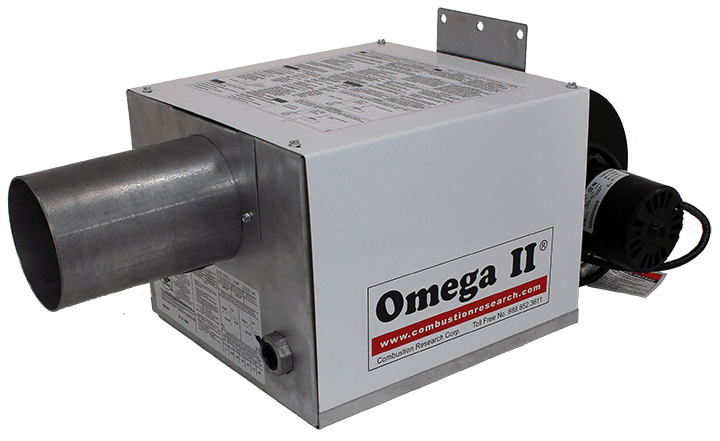
From a product family standpoint, Combustion Research Corporation offers Omega II® systems and Reflect-O-Ray® systems (including vacuum/negative-pressure configurations), along with solutions guidance for facilities like greenhouses.
Quick Reference: What Engineers Compare When Specifying Infrared
The table below is a fast way to connect “What Is Infrared” theory to practical spec review criteria, so the design intent survives value engineering and late-stage substitutions.
| Spec Review Item | Why It Matters | What to Confirm |
|---|---|---|
| Heat transfer method (radiant vs. primarily convective) | Drives comfort at occupant level and affects stratification sensitivity | Documentation that the system delivers radiant energy to surfaces/occupied zone |
| Layout and coverage plan | Determines whether the design supports spot heating, zone heating, or whole-volume heating | Emitter placement relative to work zones, doors, and ventilation paths |
| “Optimum Efficiency” design intent | Keeps focus on lifecycle value and stable operation under real duty cycles | Manufacturer guidance on operating conditions and system design approach |
| Application fit (industrial/ag use case) | Confirms the system matches the building’s operating profile | Manufacturer solution guidance for the building type (e.g., greenhouse) |
Practical Talking Points for Architects, Owners, and Facilities Teams
If you need a short explanation that doesn’t turn into a physics lecture, use these points in project meetings:
- What Is Infrared: Heat transfer that warms surfaces and occupants directly, not only the air
- Why it’s used in big spaces: Less dependence on perfectly mixed air, better occupied-zone comfort under door cycles and ventilation
- Why “optimum efficiency” matters: A design approach that treats longevity and operating stability as primary engineering outcomes
Get Support on Infrared Application Fit and Layout
If you’re evaluating infrared for a high-bay, industrial, or agricultural project and want help translating its application into a layout and spec strategy, reach out to Combustion Research Corporation for project-oriented support.