

May 1, 2026
Walk into a large warehouse on a cold morning. The air feels cool, yet standing beneath a radiant tube heater, warmth reaches you almost immediately. That experience is not accidental. It results from a carefully engineered process grounded in the physics of infrared radiation. Engineers, architects, and facility managers specifying heating systems need to understand how infrared heaters work. That knowledge supports confident, well-informed specification decisions and helps teams select the right solution for each unique space.
The Science Behind How Infrared Heaters Work
Infrared heaters do not warm the air first. Instead, they emit electromagnetic radiation within the infrared spectrum. This radiation travels through the air without being absorbed by it. It transfers heat directly to surfaces and people below. The principle closely mirrors how sunlight warms the earth, even across the vacuum of space.
Infrared radiation occupies wavelengths between roughly 0.7 and 1,000 micrometers. Low-intensity gas-fired tube heaters emit energy in the far-infrared range. This produces a gentle, consistent thermal output. Objects and occupants absorb this energy, then re-radiate it to their surroundings. The outcome is sustained comfort at floor level, where people actually spend their time.
From Burner to Beam: A Step-By-Step Breakdown
The operation of a low-intensity radiant tube heater follows a clear, logical sequence:
- A gas burner ignites at one end of a sealed metal tube
- Combustion gases travel the full length of the tube, heating its surface
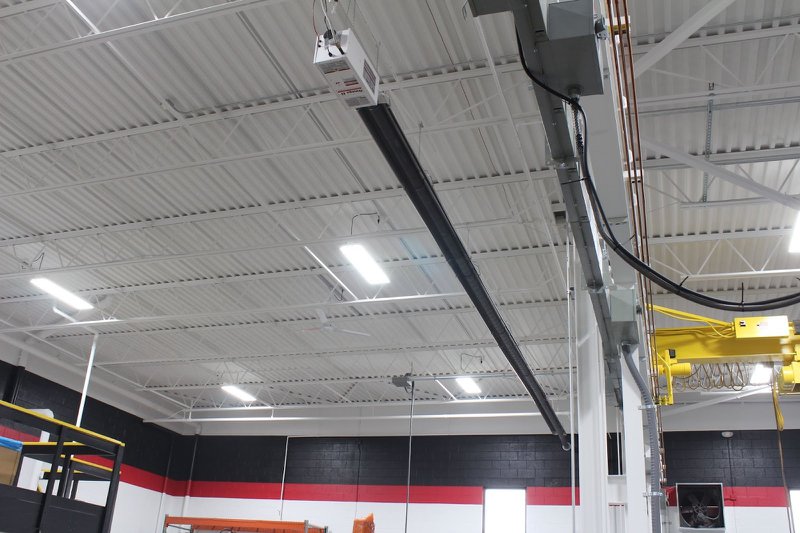
- The heated tube radiates infrared energy downward and outward toward the floor
- A reflector above the tube directs that output into a defined target zone
- Exhaust gases exit through a venting system, keeping combustion byproducts out of the occupied space
This sealed design keeps the burner flame fully contained within the tube. HVAC professionals can review low-intensity radiant tube heater configurations to better understand available options during the design phase. The result is a steady, directed stream of thermal energy. There are no open flames and no forced air circulation to disrupt occupant conditions.
How Infrared Heaters Work Differently From Forced Air
Forced-air systems raise indoor temperatures by circulating heated air molecules. This generates continuous air movement that spreads dust, allergens, and drafts throughout a facility. Radiant heating sidesteps this mechanism entirely.

Because infrared systems heat objects and surfaces directly, thermal stratification is significantly reduced. In a conventional forced-air setup, hot air rises toward the ceiling while workers near the ground remain cool. Radiant systems deliver heat straight to the occupied zone. This targeted approach requires less energy to sustain comfortable conditions throughout a shift.
The absence of air movement benefits environments requiring cleanliness or minimal disturbance. Paint finishing areas, food processing operations, and precision manufacturing spaces are strong candidates. Architectural teams working on these facility types can explore infrared heating applications for commercial and industrial spaces. This helps match system selection to the specific requirements of each project.
Why Radiant Heating Performs Best in Large, Open Spaces
Large commercial and industrial structures present a persistent challenge for heating professionals. Conventional equipment struggles to maintain uniform temperatures across expansive, open floor plans. Radiant tube heaters address this through zone-specific placement that aligns with occupancy patterns and building layout.
Engineers can position units along a structure's perimeter or above active work zones. This arrangement allows precise temperature control without expending resources on unoccupied areas. Facilities managers appreciate the reduced maintenance demands as well. Radiant systems have fewer moving components than forced-air alternatives, which contributes to lower long-term operating costs.
Agricultural environments are another strong application. Livestock barns and poultry houses benefit from gentle warmth at ground level, where animals live and grow. The same logic extends to any space where floor-level temperature consistency shapes productivity or occupant well-being. Early coordination between specifiers and system designers helps translate spatial planning into efficient, durable outcomes. Consulting radiant heating design resources at the project's start supports more precise zone planning and specification.
Built for Performance, Backed by Over 50 Years of Experience
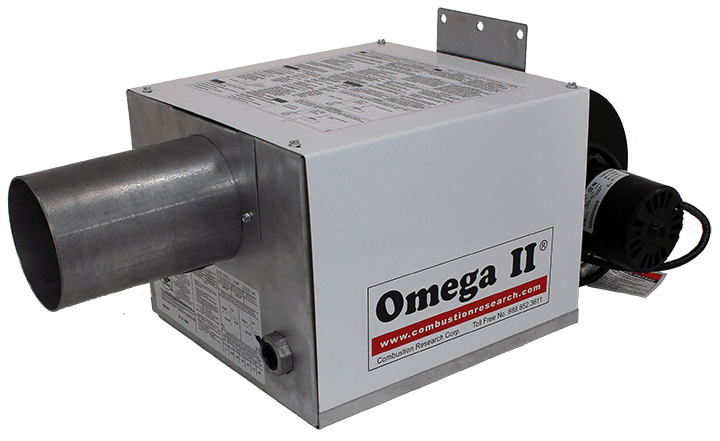
Combustion Research Corporation has manufactured low-intensity infrared tube heaters since 1952. Their Reflect-O-Ray® and Omega II® product lines are engineered for consistent performance in demanding environments. Each system is designed for long-term durability, with no required filter replacements and no condensation-related tube failures. That reliability matters in facilities where downtime means lost productivity.
For specifiers evaluating radiant heating options, Combustion Research offers both vacuum-vented and power-vented configurations. The Serengeti-IR™ and Synergy® lines extend the portfolio across industrial, commercial, agricultural, and residential applications.
Ready to find the right infrared heating solution for your next project? Talk to the Combustion Research team to discuss specifications, layout, and system selection.