

November 4, 2026
Cold weather can stall a construction schedule faster than almost any other single factor. Construction site heaters keep concrete curing, drywall finishing, and painting work moving through the winter months. Choosing the right equipment protects both your project timeline and your entire crew's safety.
General contractors cannot simply pause a job every time the temperature drops below freezing. Construction site heaters give crews a practical way to keep working safely through harsh winter conditions. The sections below cover how to choose, place, and operate temporary heat correctly on site.
Why Construction Site Heaters Matter Through the Winter Months
Concrete needs a minimum curing temperature to gain strength at the rate a schedule demands. Cold concrete cures far more slowly and can suffer permanent strength loss if it freezes. Construction site heaters maintain that curing temperature and keep pours on track through winter weather.
Drywall, paint, and adhesives also depend heavily on temperature during installation and curing time. Materials applied too cold often fail to bond correctly, which forces costly rework later. Temporary heat keeps interior finishing trades productive even while outdoor temperatures sit well below freezing.
Worker safety matters just as much as material performance on any active winter job site. Cold hands lose dexterity quickly, which raises the risk of tool-related injuries considerably. According to OSHA standard 1926.154, temporary heating devices must be installed and maintained with real care.
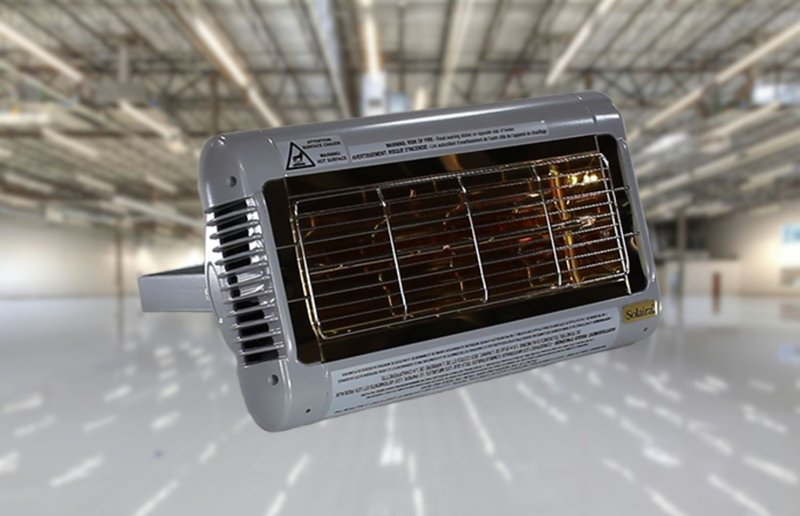
The same standard also addresses ventilation, since combustion heaters can produce dangerous carbon monoxide indoors. Proper ventilation and regular equipment inspection protect crews from that invisible, and entirely preventable, hazard.
Which Construction Site Heaters Work Best for the Job?
Portable infrared and forced-air heaters both work well for construction sites, depending on the space. Enclosed areas generally call for sealed-combustion or infrared units that vent exhaust safely outdoors. Open framing and large bays often suit forced-air heaters that move a lot of warm air.
Choosing the Right Construction Site Heaters for the Job
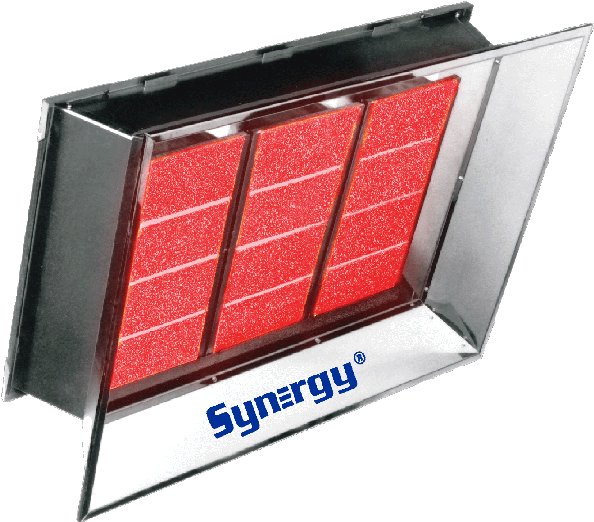
Portable infrared heaters warm workers, materials, and surfaces directly without relying on moving air. Our guide to portable infrared heaters for job site temporary heat covers this option well. Direct radiant warmth performs especially well in drafty, partially enclosed structures during framing work.
Forced-air systems instead heat the surrounding air and rely on circulation to spread that warmth. Our comparison of forced-draft systems against vacuum radiant heaters explains that tradeoff in detail. Large open bays with high ceilings often respond better to forced-air heat distribution overall.
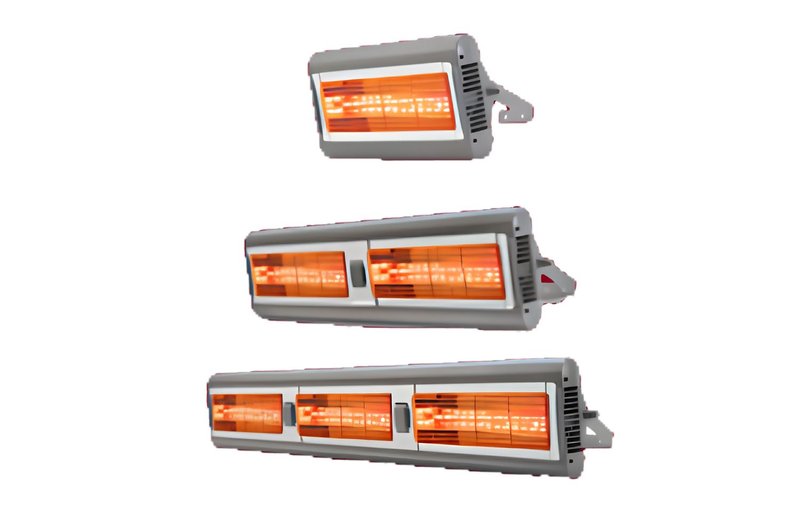
Sealed-combustion heaters deserve special consideration on sites with fumes, dust, or limited fresh air. Review our breakdown of sealed-combustion heaters for harsh environments for more technical context. Units like these draw combustion air from outside, which keeps indoor air noticeably cleaner for crews. Fuel type also shapes the decision, since propane, natural gas, and diesel all behave differently. Job sites without a permanent gas line typically default to propane or diesel-fired temporary units instead.
Placing and Operating Temporary Heat Safely on Site
Placement affects both heating performance and worker safety far more than most crews initially expect. Heaters need clear space around them, away from combustible materials, tarps, and stored supplies. Our guide to spot heating economics for industrial thermal control covers efficient placement strategy.
Outdoor and semi-enclosed job sites also face wind, which can affect both efficiency and safety. Our piece on outdoor radiant heaters in coastal, windy conditions offers useful, practical guidance here. Wind can push flames sideways or scatter sparks near flammable tarps and framing materials.
Daily inspections should confirm proper ventilation, secure fuel connections, and stable equipment placement before each shift. Supervisors should also train every crew member to recognize early carbon monoxide symptoms quickly. Even a well-chosen heater still needs a clear operating plan to run safely, all season. Assigning one person to monitor fuel levels and equipment condition prevents avoidable overnight failures.
Ready to Keep Your Winter Project on Schedule?
Construction site heaters protect your schedule, your materials, and your crew through the coldest months. Combustion Research has engineered heating equipment for demanding job sites for more than seventy years. Our team can help you match equipment to your structure, fuel access, and timeline.
We will review your project layout and recommend heaters sized correctly for each specific area. Getting temporary heat right now prevents costly delays once winter weather fully sets in. Contact us today to plan reliable heat for your next cold-weather construction project.