

May 27, 2026
Sealed combustion heaters draw combustion air from outside the building and exhaust through a dedicated sealed flue. Nothing in that process touches the indoor air supply. For HVAC engineers specifying heating in facilities with contaminants, flammable vapors, or strict air quality requirements, that isolation is the starting point for the conversation.
Standard open-combustion units pull air from the space they're heating. In clean environments, that's fine. In industrial and agricultural settings, that air carries dust, chemical vapors, paint particulate, and moisture. A burner working with contaminated air delivers degraded combustion, faster component wear, and the risk of byproducts cycling back into the occupied space. Sealed combustion removes all of that by keeping the combustion process completely separate from the indoor environment.
Because the intake air always comes from outside, the burner works with clean, uncontaminated supply regardless of indoor conditions. That consistency improves combustion efficiency and extends burner component life. For facilities where indoor air quality is a compliance requirement rather than a preference, sealed combustion isn't an optional upgrade; it's the only defensible specification.
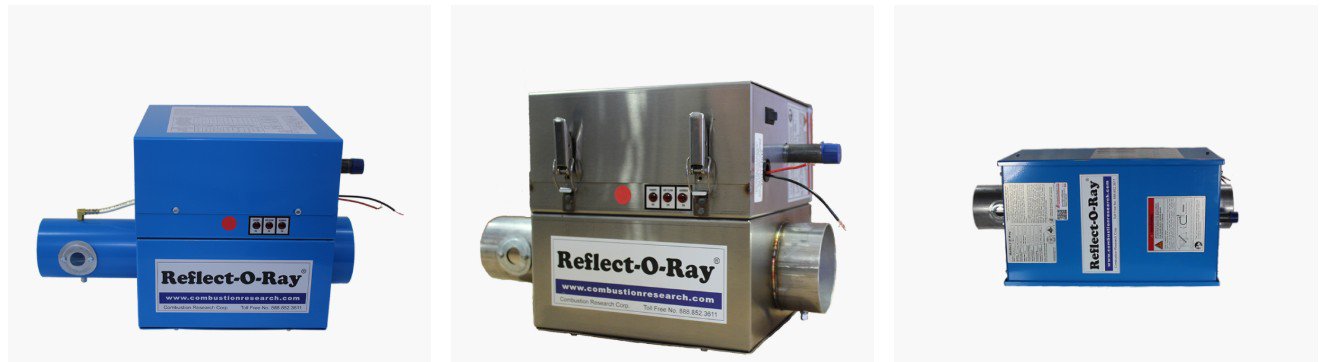
CRC's Reflect-O-Ray® and Omega II® systems are available in sealed combustion configurations across the full range of harsh-environment applications.
Why Sealed Combustion Heaters Are the Compliance Default
Some facilities make sealed combustion a code requirement, not just a best practice. CNG and LNG vehicle repair facilities are the most common example. NFPA 30A 7.6.6 limits tube and surface temperatures to 750°F in specialty fuel vehicle repair buildings, and CRC manufactures Reflect-O-Ray® units certified to that standard. That certification simplifies compliance documentation considerably and removes liability from the design process.
Beyond CNG facilities, engineers routinely specify sealed combustion in agricultural buildings with high ammonia concentrations, finishing and painting operations, chemical storage, and food processing environments. The common thread is an indoor air supply that an open-combustion burner shouldn't interact with. Specifying sealed combustion heaters resolves that at the design level rather than relying on operational controls after installation. For agricultural specifications, CRC's infrared systems perform reliably in barn and brooder environments where ammonia and moisture are persistent variables.
Vacuum Exhaust and Roof Penetration Savings
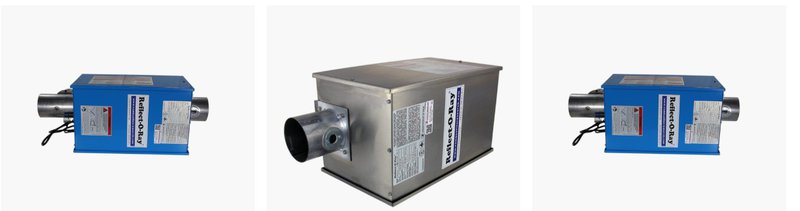
CRC's vacuum exhaust design uses negative pressure to draw exhaust through the flue rather than pushing it out with positive pressure. This reduces backdraft risk and lets multiple units share a common exhaust run. In large facilities, that means fewer roof penetrations, fewer potential leak points, and lower roofing maintenance costs over time.
Retrofit projects with limited existing penetrations benefit directly from this approach. The simplified layout also cuts materials and labor during installation. For high-bay applications like aircraft hangars and large warehouses, CRC's vacuum systems cut penetration counts significantly, affecting both installation cost and long-term roof maintenance.
Specifying Sealed Combustion Heaters for Longevity
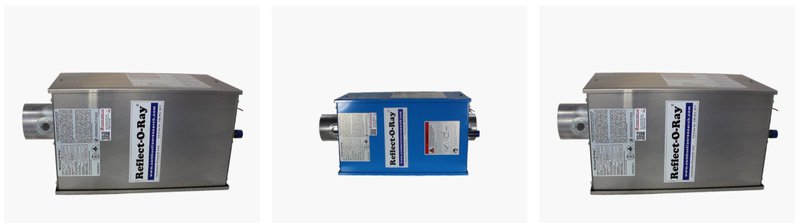
Harsh environments accelerate wear on every component the indoor atmosphere touches. Sealed combustion limits that exposure, but material selection still matters. CRC offers stainless steel variants of the Reflect-O-Ray® for corrosion-risk environments including natatoriums, coastal sites, and high-chemical-exposure facilities. In those settings, stainless construction extends service life well beyond standard powder-coated units. It's the correct specification wherever moisture, salt air, or aggressive chemicals define the operating environment.
In addition, the ten-year radiant tube warranty and filter-free design bring the total maintenance profile well below open-combustion alternatives. Engineers running lifecycle cost comparisons will find the ten-year cost gap between sealed and open combustion systems substantial enough to factor into the upfront specification decision. ASHRAE also publishes standards on indoor air quality that sealed combustion designs are well positioned to meet.
Four Variables Worth Checking Before You Finalize
Getting the specification right on a sealed combustion system comes down to four variables that are easy to overlook under project deadline pressure. Each one affects either system performance, compliance standing, or long-term maintenance costs.
- Intake and exhaust routing. Size and route both runs to prevent exhaust recirculation into the intake. Consequently, poor routing defeats the purpose of the sealed design and reintroduces the contamination risks the system was chosen to avoid.
- Compliance verification. For CNG, LNG, and other regulated facility types, confirm certifications before the design closes. CRC lists its certified Reflect-O-Ray® units through MASTERSPEC for straightforward inclusion in project specifications.
- Material selection. Match tube and casing material to the corrosion profile of the environment. In particular, stainless steel is the correct specification for natatoriums, high-humidity agricultural settings, and coastal installations.
- BTU-to-tube-length ratio. Proper sizing matters regardless of combustion type. A pre-dilution exhaust temperature above 450°F indicates the system isn't sized correctly, and that excess heat exits the building rather than warming it.
Your next harsh-environment project deserves a system that won't compromise on air quality or longevity. Reach out to CRC whenever you're ready to work through the specification.