

November 13, 2026
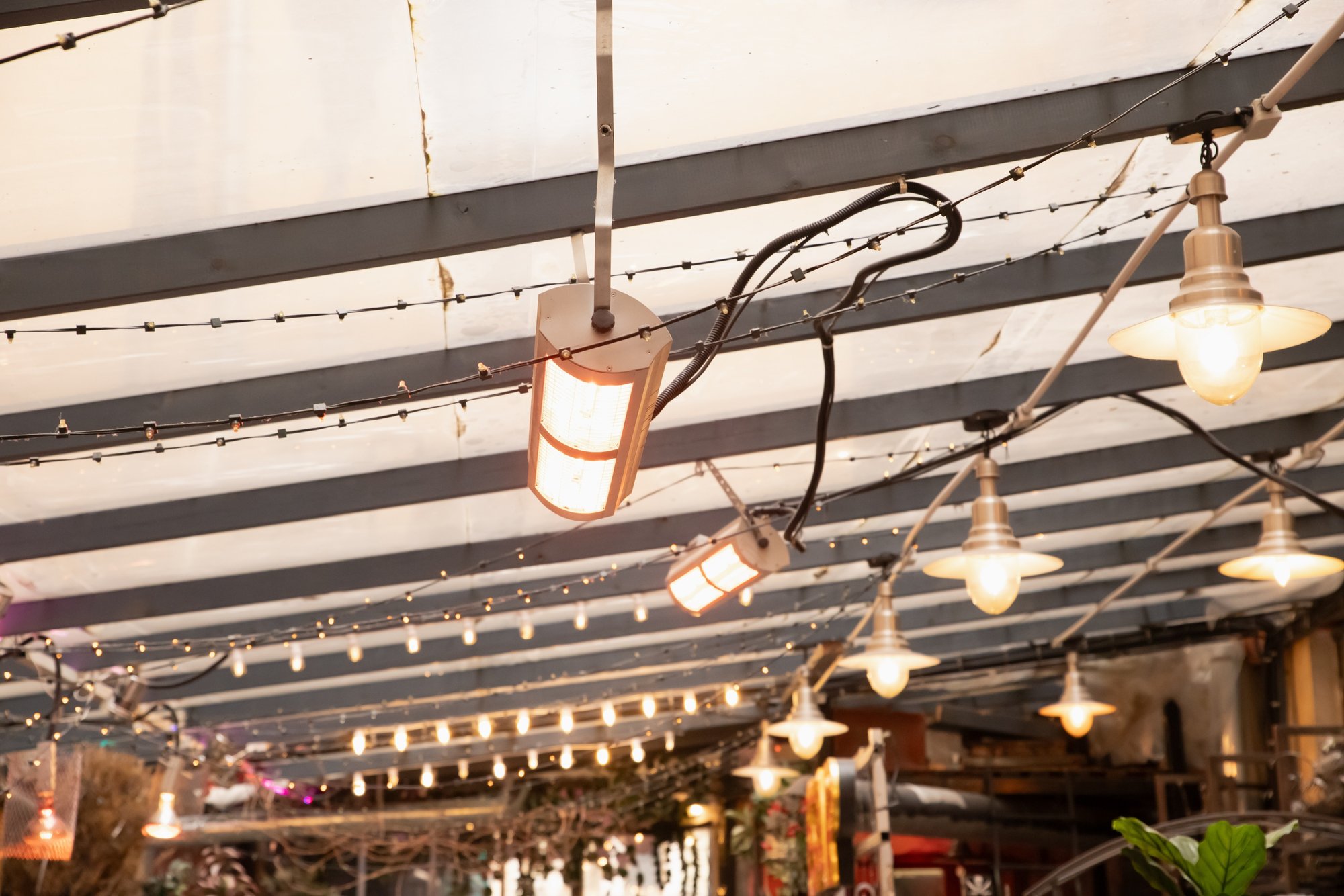
Outdoor dining draws guests in, but cool evenings and chilly shoulder seasons can empty your patio fast. Commercial patio heaters keep those seats filled, turning a summer-only space into a dependable source of revenue. Radiant infrared models stand out because they warm guests directly instead of losing heat to the open air.
High-end equipment also looks polished, runs reliably, and stands up to rain, wind, and daily commercial use. Combustion Research offers commercial patio heaters in both gas-fired and electric versions for restaurants, hotels, and bars. Here is how the right heaters help you seat more guests, for more months, with less hassle.
How Do Commercial Patio Heaters Increase Outdoor Dining Revenue?
Commercial patio heaters increase outdoor dining revenue by keeping guests comfortable on cool evenings and through the shoulder seasons. Warm guests stay longer, order another round, and fill tables that would otherwise sit empty in cold weather. Radiant infrared models deliver that comfort efficiently because they warm people and surfaces rather than the open air.
How Commercial Patio Heaters Extend Your Dining Season
Every extra week of patio service adds covers, and commercial patio heaters help you claim those weeks back. Spring and fall evenings can feel too cold for guests, even when daytime temperatures seem pleasant. With dependable overhead heat, you can open your patio earlier in spring and keep it running later into fall.

Radiant infrared works outdoors because it travels directly to guests and tables instead of warming air that drifts away. As a result, a light breeze barely affects comfort the way it does with air-based heaters. Our guide on why infrared heaters cover more square footage explains how radiant energy reaches across open spaces.
Comfortable guests linger over dessert, order another drink, and leave with a better impression of your venue. Meanwhile, a warm patio becomes a selling point when guests choose where to celebrate or meet friends.
Your staff benefits too, since servers spend long shifts moving between the kitchen and outdoor tables. Warm work zones keep your team comfortable and focused on service instead of the weather. Our article on radiant spot heating and employee retention explores how comfortable staff stick around longer.
Choosing Between Gas and Electric Heat for Your Patio
The best commercial patio heaters for your venue depend on fuel access, patio layout, and the look you want. Gas-fired models deliver strong, fast heat, while electric models offer clean, simple installation where gas lines are impractical. Here is how our two commercial-grade options compare for outdoor dining spaces and covered terraces.
- Our Synergy® Patio Heater runs on natural gas or propane and switches between two output levels on demand.
- Automatic spark ignition with no standing pilot and full gas shutoff on ignition failure adds a key safety layer.
- Our Solaira Alpha Series electric heaters deliver instant short-wave warmth with no flame, fumes, or gas piping.
- Solaira units carry wet and dry ratings, so you can mount them on walls or ceilings in exposed areas.

Both options can mount overhead, which keeps floor space open for more tables and safer walkways. Freestanding mushroom heaters, by contrast, crowd your layout and need frequent tank swaps during busy service.
Finish matters on a guest-facing patio, so choose housings that blend with your architecture and decor. The Synergy® Patio Heater comes in a black all-weather coating or premium stainless steel for upscale settings. Meanwhile, Solaira's slim aluminum profile suits modern spaces where you want the heater to stay understated.
Designing a Heated Patio Layout Guests Will Love
Placement shapes the guest experience, so plan commercial patio heaters around where guests sit and linger. Heaters mounted too high spread warmth thin, while units mounted too low can feel intense and uneven. Mapping tables, bars, and walkways first helps you place each heater for even, overlapping coverage.
Always respect manufacturer clearances above, behind, and below each unit, especially near awnings, umbrellas, and wood trim. Your installer can confirm those distances against the owner's manual and local codes before you open for service.
Zoning adds flexibility, since you can heat only the sections where guests sit on slower nights. Handheld or wall-mounted controls let your staff adjust heat quickly as crowds shift through the evening. Our guide to the economics of industrial spot heating shows how targeted zones keep energy costs in check.
Covered patios and partial enclosures hold radiant warmth even better, especially when wind blows across open sides. If you enclose a patio, confirm ventilation requirements for gas units or choose electric heat instead. As a family-owned Michigan manufacturer, we help you design a patio that stays warm, safe, and inviting.
Find a Rep to Choose the Right Commercial Patio Heaters
The right commercial patio heaters turn cool evenings into busy service nights and stretch your outdoor season further. Radiant infrared warms guests directly, mounts overhead to save space, and handles daily commercial use with ease. With thoughtful placement and smart zoning, you keep guests comfortable while controlling your operating costs.
Every patio has its own layout, fuel access, and design style, so your heating plan should match yours. Our local representatives can review your space, compare gas and electric options, and recommend the right heater count. Reach out to your local Combustion Research representative and turn your patio into a revenue stream that lasts beyond summer.