

June 10, 2026
Heating an entire facility to keep one work zone comfortable wastes a lot of fuel. Spot heating fixes that by directing radiant energy precisely where it's needed. The economics of that shift are worth examining before the next heating specification gets finalized.
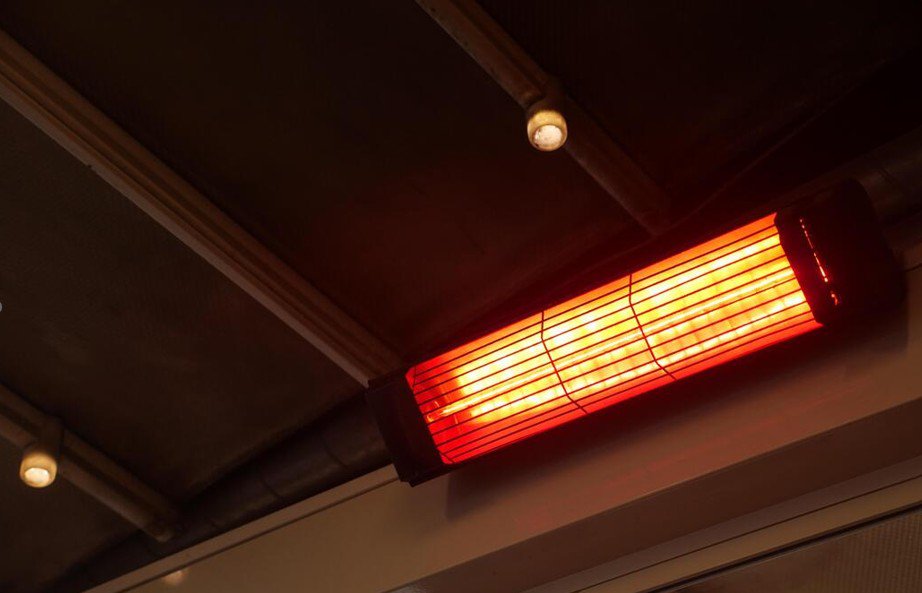
Rather than raising air temperature across a whole building, a spot heating system targets a specific area: a workstation, an assembly line, a loading dock, or a packing station. Infrared energy heats the surfaces and people in that zone directly. Areas outside the zone stay cooler. The system only burns fuel where it's needed.
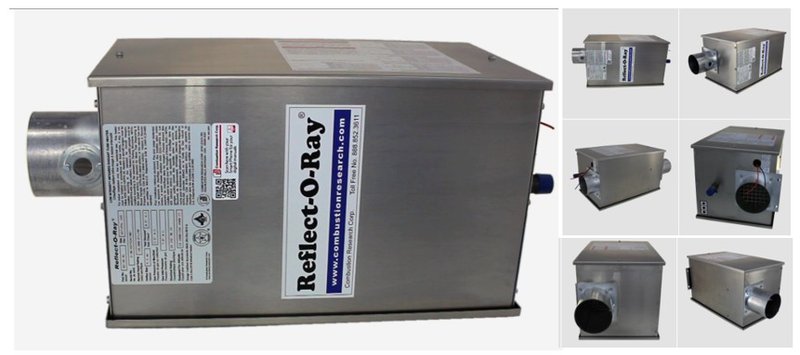
Combustion Research Corporation (CRC) designs its Reflect-O-Ray® and Omega II® systems to support zone-level and targeted heating across a wide range of industrial applications.
Where Spot Heating Delivers the Biggest Returns
The economic case for spot heating is strongest in three facility types.
Large open structures with variable occupancy top the list. In a warehouse where workers occupy specific pick zones or packing stations, heating the full building wastes energy on empty aisles. A system keeps workers comfortable at their stations while the rest of the building runs cooler. The fuel savings from that gap are substantial. For more on how infrared addresses energy waste in large warehouse environments, warehouse heating strategies cover the key variables.
High-bay facilities with large doors are another strong fit. Aircraft hangars, bus depots, and auto service facilities lose heat fast every time a door opens. Because infrared heats the floor mass rather than the air, spot heating recovers quickly after a door-open event. The floor holds its stored heat and keeps the occupied zone warm even while the door is open.
Loading docks are a third high-return application. Dock doors cycle constantly, and workers in those zones face some of the harshest conditions in any facility. A spot heating unit above the dock keeps workers warm without heating the entire bay. The energy required is a fraction of what a full-bay system would use.
The Math Behind Heating Economics
The fuel savings from spot heating add up fast. Consider a facility that heats its full floor area to 65°F to keep workers comfortable in three occupied zones. If those zones cover 20 percent of the total floor area, the system spends 80 percent of its heating budget on empty space.
A spot heating system that holds 65°F in the occupied zones while letting the rest of the building run at 45°F cuts the heating load sharply. The exact savings depend on the building envelope, ceiling height, and local climate. CRC's systems consistently deliver fuel savings of 30 to 50 percent compared to full-volume forced-air heating. In a large facility, that range means real cost reductions year over year.
The savings also go beyond fuel. Spot heating systems using low-intensity radiant tube heaters have no filters to replace, no ductwork to clean, and no blowers to service. CRC's filter-free design removes a recurring maintenance cost that adds up over the life of the system. For a detailed look at how filter-free design affects lifetime operating costs, maintenance cost comparisons between radiant and forced-air systems are worth reviewing before finalizing a specification.
Specifying Heating Systems for Industrial Applications
Effective spot heating starts with an accurate read of the zone's thermal needs. A workstation where people sit still needs more radiant input than one where workers move actively. Ceiling height affects the angle and spread of the radiant pattern. The proximity of walls, equipment, and other surfaces all factor into the sizing calculation.
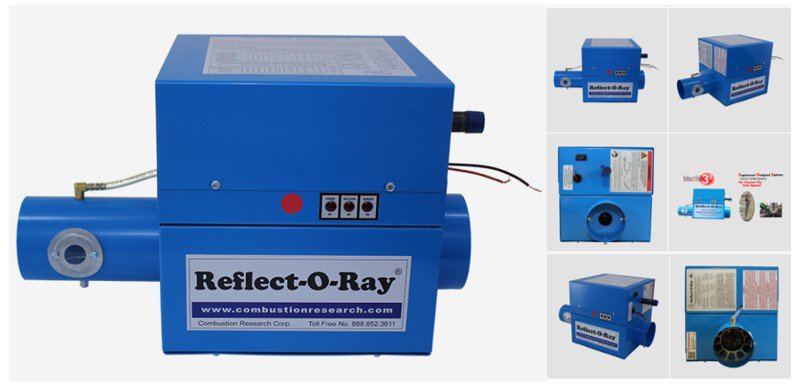
CRC's low-intensity radiant tube heaters come in multiple tube lengths and British Thermal Unit (BTU) input configurations. That allows close matching to each zone's actual load. The Reflect-O-Ray® 3.5 and 4.0 models work well in lower-ceiling industrial spaces. The 4.C and dual-input models suit larger zones or facilities with higher heat loss rates.
Placement matters as much as sizing. Units go above the occupied zone and direct radiant energy downward without creating hot spots. CRC's placement specs cover clearance requirements for each system configuration. The American Society of Heating, Refrigerating and Air-Conditioning Engineers (ASHRAE) publishes comfort standards for radiant heating in occupied industrial spaces that are worth referencing during design.
Spot Heating as Part of a Broader Energy Strategy
Spot heating works well on its own, but it also fits naturally into a broader facility energy plan. In facilities pursuing net-zero goals, spot heating cuts the base heating load the overall system has to carry. That smaller load supports better performance from any renewable energy or carbon offset system built on top of it.
Zone-level controls and occupancy sensing add another layer of savings. A spot heating zone that ramps down when workers leave and back up when they return eliminates waste from heating empty zones. That level of control is straightforward to implement with CRC's systems. If your facility has zones that cost more to heat than they should, our CRC rep will beglad to work with you in identifying the right spot heating specification for your space.