

June 24, 2026
Gas-fired radiant systems dominate most industrial and agricultural heating applications. However, there are specific indoor commercial environments where an electric infrared heater is the right call. Understanding when to choose electric over gas comes down to the facility's combustion restrictions, decarbonization goals, and the nature of its occupancy. For the right application, electric infrared delivers all the benefits of radiant heat with zero onsite emissions.
What Makes an Electric Infrared Heater Different
An electric infrared heater converts electrical energy directly into infrared radiation. There is no combustion, no exhaust, and no requirement for gas supply or venting. The heat delivery mechanism is the same as a gas-fired radiant system. Specifically, infrared energy travels from the emitter to surfaces and occupants directly, without warming the air first. However, the energy source and its implications differ substantially.
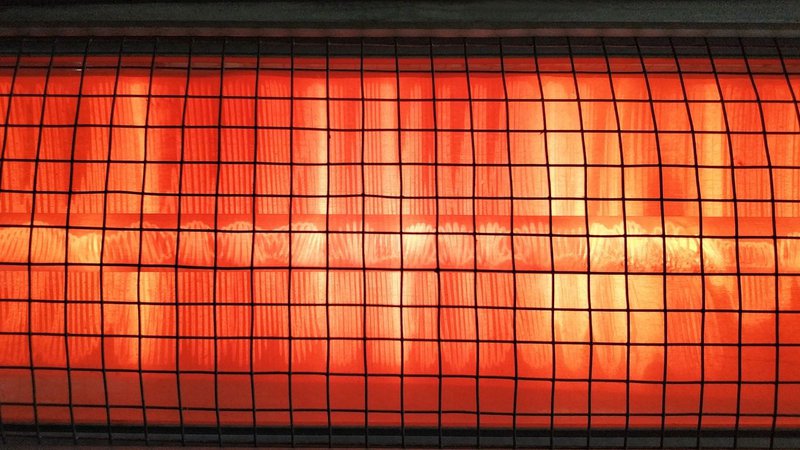
Because electric infrared produces no combustion byproducts, it leaves indoor air chemistry unchanged. There is no carbon monoxide, no nitrogen dioxide, and no particulate output at the point of use. That distinction matters in facilities where indoor air quality is tightly managed or where regulations restrict combustion equipment entirely.
When to Specify an Electric Infrared Heater
Several commercial facility types consistently favor electric infrared over gas.
Ice arenas are a primary example. Heating the spectator areas without affecting ice surface temperatures is a precise engineering challenge. Combustion heating introduces warm exhaust gases that can migrate toward the ice and affect ice quality and maintenance costs. An electric infrared heater directs warmth to the stands without combustion byproducts that compromise the skating surface or air quality for players and spectators.
Food processing and pharmaceutical facilities often operate under strict indoor air quality standards. The EPA identifies combustion appliances as a significant source of indoor pollutants, including carbon monoxide and nitrogen dioxide in commercial buildings. Consequently, facilities with zero-tolerance policies for combustion byproducts frequently specify electric infrared as their heating solution.
Spaces undergoing electrification or pursuing net-zero certification represent another strong fit. As commercial facilities reduce their reliance on fossil fuels, electric infrared integrates naturally into an all-electric building strategy. Furthermore, when paired with renewable electricity, electric infrared becomes a genuinely zero-emission heating system at the point of use.
The Trade-Offs to Evaluate
Electric infrared is not the right choice for every application. The DOE notes that electric radiant systems convert energy to heat with high efficiency at the point of use. However, the upstream cost of electricity typically makes them more expensive to operate than gas-fired systems in most US markets. Therefore, the operating cost comparison between gas radiant and electric infrared should always factor into the specification.
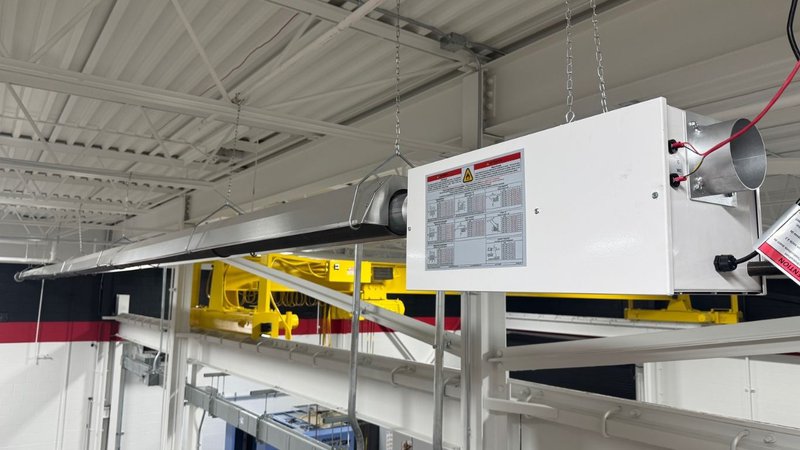
For large industrial facilities with high heating loads, gas-fired low-intensity radiant tube systems generally offer a better cost-per-BTU profile. The 30 to 50 percent fuel savings that CRC's gas systems deliver over forced air are harder for electric systems to match on a cost basis in most regions. Additionally, the thermal mass advantages of low-intensity tube systems scale better in high-volume spaces. In contrast, in smaller commercial spaces, in facilities where gas infrastructure is absent, or in applications with strict air quality requirements, electric infrared closes that gap considerably.
CRC's Electric Infrared Heater Option
CRC offers the Solaira Alpha Series for facilities that require electric infrared. The Solaira is a zero-emission electric radiant heater suited for indoor commercial spaces where combustion is not appropriate. Moreover, it delivers the same direct, draft-free warmth as a gas-fired radiant system in applications where electric is the right specification.
For specifiers evaluating a mix of gas and electric radiant within a single facility, CRC's product range covers both. Ice arenas, for instance, might use low-intensity gas radiant in the equipment areas and electric infrared in the spectator zones where air quality near the ice surface matters most. Specifically, that kind of hybrid specification is where understanding the full range of infrared options pays off.
Matching the Heater to the Facility
The decision between gas and electric infrared is not about which technology is better in absolute terms. It is about which is better for the specific facility, its regulatory environment, its energy infrastructure, and its long-term operating cost profile. Both deliver the core benefits of radiant heat. In other words, the right choice depends on what constraints and priorities the building actually has.
Contact us today and we’ll be happy to help you get the right infrared heating system for your facility.