

July 8, 2026
Energy consumption is the defining variable in any commercial or industrial heating decision. Two systems may heat a space to the same thermostat reading, yet consume dramatically different amounts of fuel to get there. Understanding how heater convection and radiant heat differ in energy delivery is essential for anyone specifying or operating heating systems at scale. Specifically, the comparison consistently favors radiant, and the physics explains why.
How Heater Convection Works
Convective heating systems warm the air inside a space. For example, a furnace, unit heater, or forced-air system generates heat and distributes it as warm air. Occupants and equipment reach comfort temperatures as the air heats up around them.
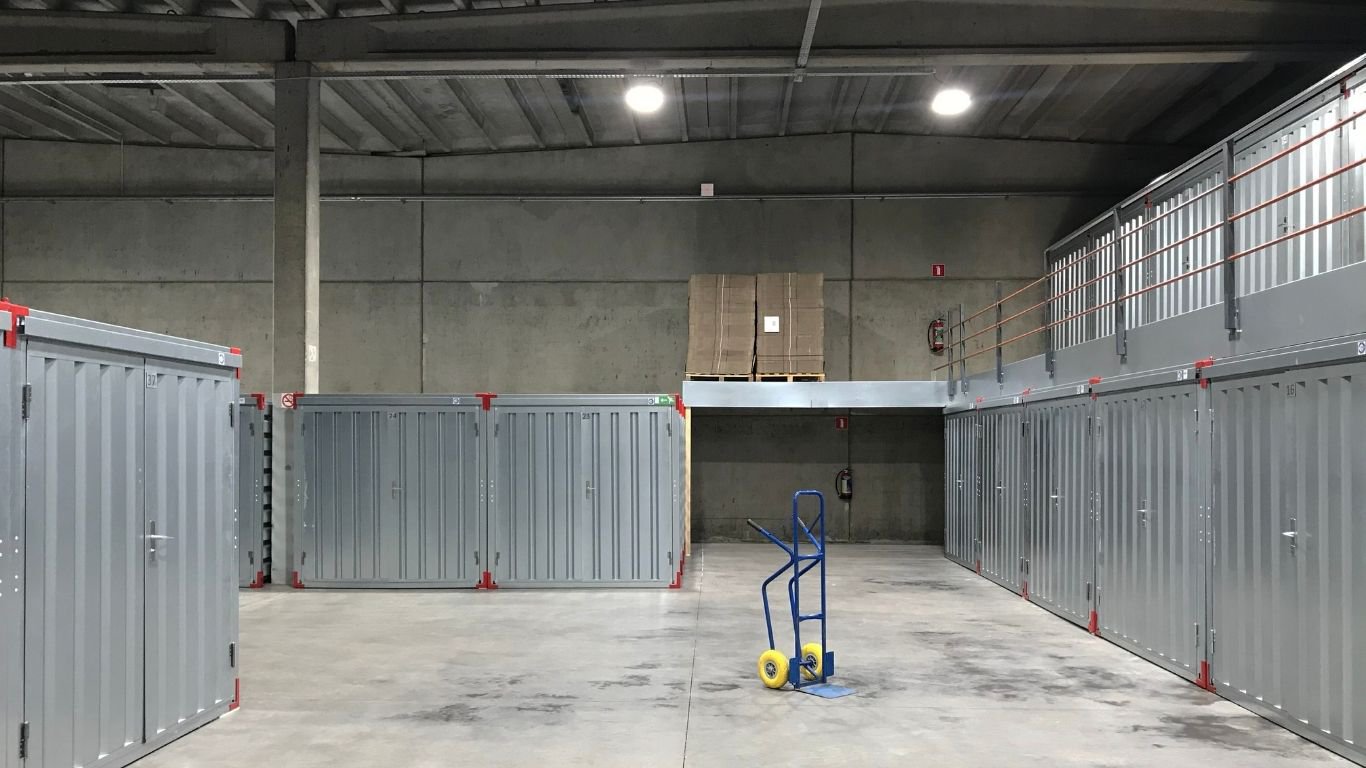
However, this approach has a fundamental inefficiency built in. Warm air rises. In buildings with ceilings above eight feet, a large share of the produced heat migrates upward, away from the occupied zone. The taller the building, the worse this gets. In a warehouse with 24-foot ceilings, for instance, thermal stratification can create a 10 to 15 degree Fahrenheit gap between floor level and the roof. The system then works continuously to replace that lost heat, burning fuel to warm air that benefits no one.
Additionally, duct losses make the problem worse. According to the U.S. Department of Energy, duct losses can account for 20 to 30 percent of a system's total energy output before conditioned air reaches its destination. Even well-sealed systems, therefore, lose a measurable share in transit.
How Radiant Heat Differs From Heater Convection
Radiant heating bypasses the air entirely. Instead of warming a medium that carries heat to occupants, radiant systems emit infrared energy that travels directly from the source to surfaces, objects, and people. The floor absorbs that energy and becomes a stored heat sink. Similarly, equipment, inventory, and structural elements do the same. The physics behind that transfer separates infrared from every convective system at the molecular level.
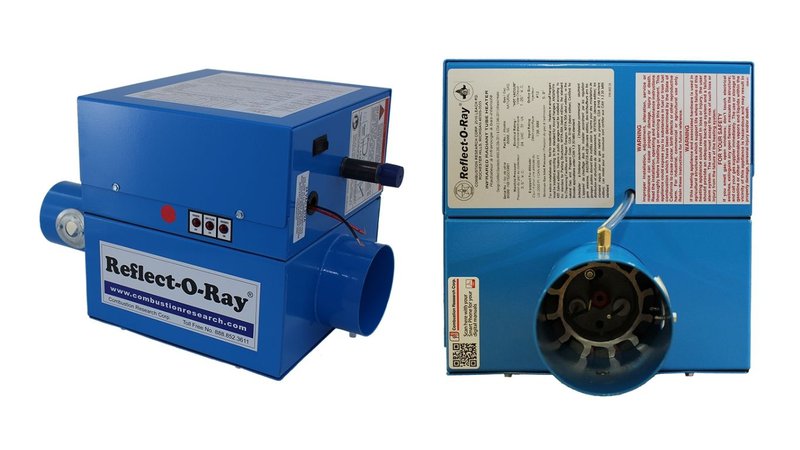
Because radiant heat does not depend on air movement, stratification is not a driver of waste. A comparative analysis of convection and radiant systems identifies reduced stratification as a primary mechanism behind radiant energy savings in large-volume spaces. In other words, heat stays where it is needed, at the occupant level, rather than accumulating at the ceiling.
This also means heater convection setpoints often need to run several degrees higher than radiant setpoints to achieve the same perceived comfort. Radiant warms surfaces and occupants directly. As a result, a lower ambient air temperature still feels comfortable, which reduces the total thermal load the system must meet.
Where the Energy Gap Opens Up
The efficiency advantage of radiant over heater convection grows with building volume. In small, well-insulated spaces, the difference is real but modest. In large industrial facilities, however, the gap becomes a major operating cost factor.
CRC's low-intensity radiant tube systems deliver fuel savings of 30 to 50 percent compared to conventional forced-air systems. That range reflects variation in building type, ceiling height, insulation, and climate. Even so, the savings are significant across a full heating season. Furthermore, facilities managers evaluating an upgrade frequently find that long-term fuel savings justify the capital investment within a few years. Specifiers working through the full economics of an energy-efficient HVAC installation should therefore factor these differences into the total cost model, not just upfront equipment costs.
Thermal Mass: The Advantage Convection Cannot Match
Radiant systems build a thermal reservoir in the floor and building contents over time. That stored heat, consequently, moderates temperature swings and reduces recovery demands after cold events like door openings or shift changes.
In contrast, heater convection systems lose their advantage immediately when air escapes. A loading dock door that opens for two minutes releases a large volume of conditioned air outside. Recovery then requires heating a full replacement volume of cold air back to setpoint. In a radiant-heated facility, however, the floor and structural mass continue radiating warmth through and after that event. As a result, recovery energy requirements are significantly lower.
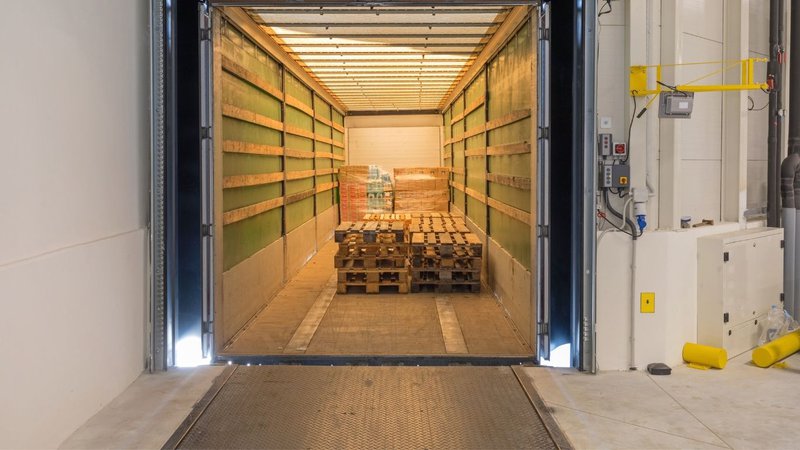
This dynamic is most important in facilities with frequent door cycles. Warehouses, distribution centers, manufacturing plants, and agricultural buildings all face this challenge. Moreover, the more frequently doors cycle, the greater the energy advantage of a system that does not depend on holding conditioned air in the space. The step-by-step mechanics behind how radiant tube heaters convert gas input into floor-level warmth are worth understanding before committing to any system specification.
Choosing Between Convection and Radiant Heaters in Practice
Both heater convection and radiant systems have legitimate uses. For small, tightly enclosed spaces with low ceilings and minimal infiltration, forced air is still practical. For large-volume commercial and industrial facilities, though, the energy math consistently favors radiant.
Specifiers and facilities managers should therefore factor stratification losses, duct losses, and thermal mass behavior into their analysis. Listed equipment efficiency ratings alone do not capture what a system actually costs to operate over its service life. Those variables do.
To discuss a radiant system specification for your facility, reach out to a CRC rep today.