

July 13, 2026
Choosing the right barn space heater for a brooding operation is one of the most consequential decisions a producer makes. Chicks, piglets, lambs, and other newborns cannot regulate their own body temperature in their first weeks of life. A barn space heater that delivers consistent floor-level warmth during this window directly affects survival rates, feed conversion, and long-term flock performance. Infrared radiant heating meets those demands in ways forced-air systems cannot.
What Young Animals Need From a Barn Heating System
Young animals depend entirely on their environment to stay warm. The challenge is delivering heat without drafts, humidity spikes, or cold zones across the brooding floor.
The National Chicken Council's Broiler Welfare Guidelines identify appropriate house temperatures during brooding as a core welfare requirement. For the first several days of life, broiler chicks are poikilothermic. They rely on their environment to control core body temperature. Industry protocols recommend starting temperatures between 86 and 93 degrees Fahrenheit at day one. Producers then reduce temperatures gradually as birds mature and develop their own thermoregulatory capacity.
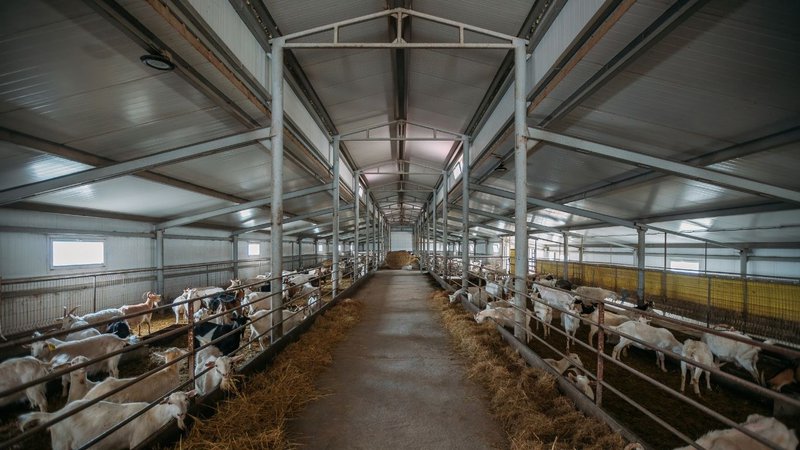
Meanwhile, forced-air systems heat the air rather than the surfaces and animals within the space. Warm air rises, so floor-level temperatures stay well below target while heat concentrates near the ceiling. In response, livestock cluster together. That clustering drives crushing losses in poultry flocks and suppresses feed intake across the board.
Infrared radiant heat works differently. It heats physical surfaces directly: the floor, the bedding, and the animals themselves. As a result, young animals benefit from stable warmth at ground level, which is where brooding temperatures matter most.
How Radiant Systems Outperform Forced Air
Radiant and forced-air systems both generate heat, but they deliver it in fundamentally different ways. That difference matters more in brooding environments than almost anywhere else. Here is how infrared barn space heaters hold the advantage across every condition producers actually face.
- Floor-level warmth without thermal stratification. Radiant energy transfers to surfaces rather than dispersing into the air. The floor mass absorbs and stores that energy, becoming a sustained heat sink at the animal level. This is especially important in high-ceilinged barns where conventional systems lose much of their output to the roof. Modern broiler house heating systems with forced-air heaters consistently struggle to maintain litter-level temperatures during early brooding. Radiant systems, by contrast, hold warmth where birds need it.
- No drafts at the bird level. Radiant tube heaters have no fans pushing air across the space. Young poultry and livestock are highly sensitive to air movement. Drafts elevate stress responses, reduce feeding behavior, and increase respiratory illness risk. Because infrared delivers heat without moving air, producers eliminate that variable.
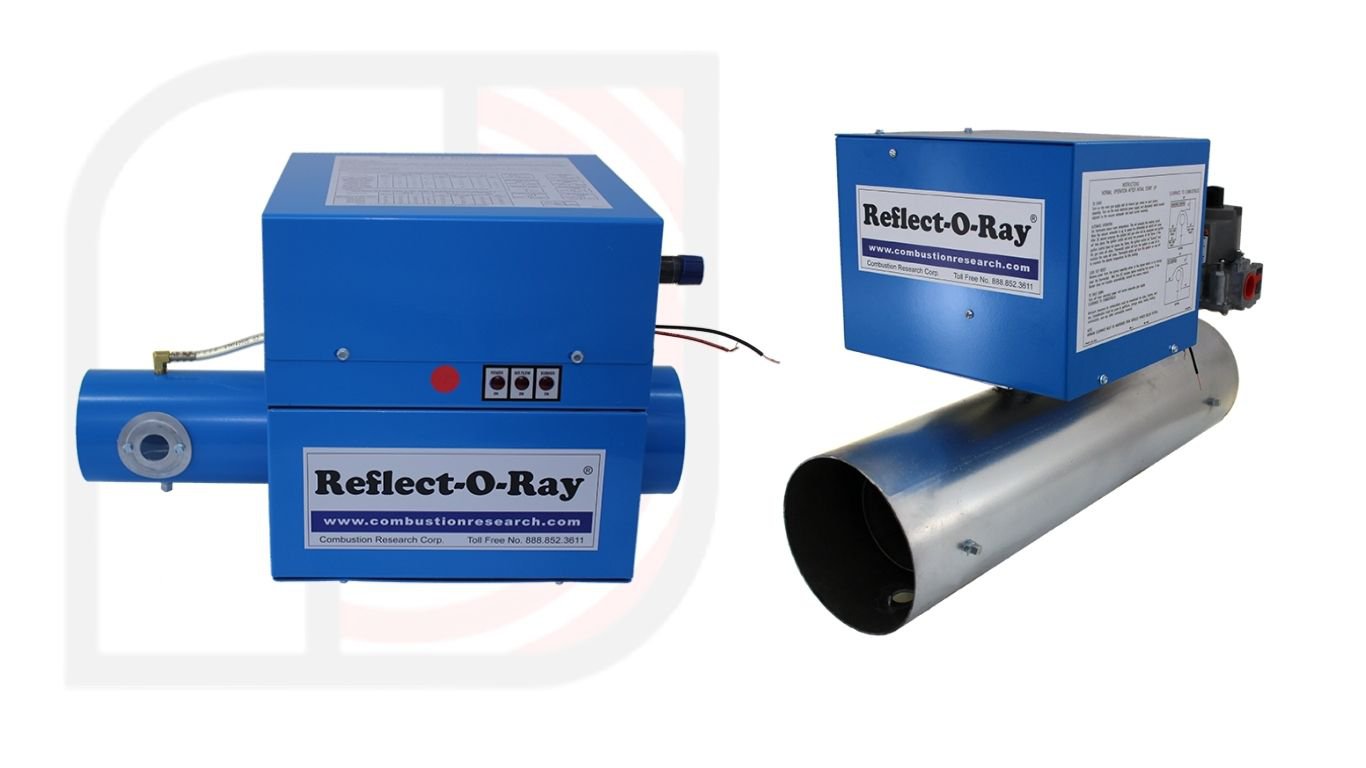
- Built for barn conditions. Brooding environments are hard on heating equipment. Moisture from animal respiration, dust from litter, and continuous operation combine to degrade systems that depend on filters. CRC's Reflect-O-Ray barn space heaters require no combustion air filters. As a result, there is nothing to clog and no gradual performance loss from neglect. In high-particulate agricultural facilities, unmaintained filters are among the most common drivers of commercial HVAC repair costs. CRC's filter-free design removes that failure point entirely.
- Zone control across the brooding cycle. Infrared heaters can be staged to create warmer zones in the primary brooding area while adjacent zones run cooler. Producers adjust temperatures as animals mature, which reduces energy consumption without sacrificing warmth at any critical phase.
The Cost Case for Infrared Barn Space Heaters
Brooding runs continuously. During the first week of life, the thermal window is narrow. Missing it is costly. Research shows that chilling day-old birds even briefly reduces weight gain significantly in the days that follow. Therefore, reliability is not optional.
CRC radiant tube systems deliver fuel savings of 30 to 50 percent compared to conventional forced-air systems. Furthermore, eliminating filter replacement costs and service calls shifts the total cost of ownership considerably in favor of radiant over systems built around recurring maintenance dependencies.
Matching the Right Barn Heater to Your Structure
Brooding facilities vary in ceiling height, insulation quality, and footprint. CRC's Reflect-O-Ray product line covers a range of BTU inputs and tube lengths. Consequently, system designers can match the configuration to the actual building rather than defaulting to an oversized unit.
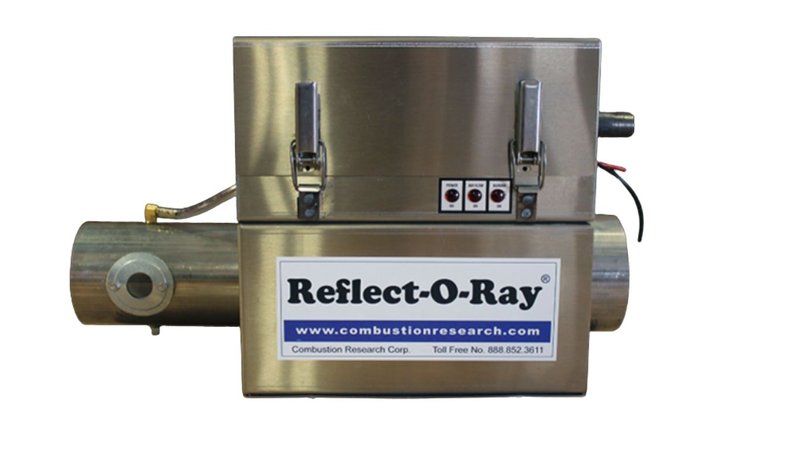
For lower-ceiling poultry houses and smaller livestock facilities, the Reflect-O-Ray 3.5 and 4.0 EDS models deliver appropriate output without over-firing. In contrast, larger open barns with higher ceilings benefit from longer tube configurations that maintain consistent coverage across a wider footprint. Producers running continuous heat through extended brooding seasons face the same engineering variables.
Infrared Is the Right Barn Space Heater for Demanding Conditions
Brooding environments are unforgiving. High moisture, high particulate, continuous operation, and animals with no tolerance for inconsistency define the conditions. A well-specified barn space heater has to perform through all of it without adding maintenance burden to an already demanding production schedule.
For producers where the health of young animals determines the profitability of the season, connect with a CRC rep to discuss the right system configuration for your brooding facility.