

October 12, 2026
Every heat pump carries a coefficient of performance (COP) rating that promises big efficiency gains. Large commercial and industrial buildings often reveal a very different heat pump COP in practice. In fact, manufacturer ratings rarely match field performance once outdoor temperatures drop and space volume grows.
Engineers specifying heat sources for large volumes need numbers that hold up in January, not July. A rated COP of three or four often shrinks once temperatures fall below freezing outdoors. The following breakdown shows where heat pump COP actually goes in large, high-ceiling spaces.
How Heat Pump COP Is Measured Versus How It Performs
Heat pump COP compares the heat output delivered against the electrical energy consumed to produce it. Laboratory testing measures this efficiency ratio under fixed indoor and outdoor temperature conditions only. As a result, real buildings rarely sit at those exact conditions for more than a few hours each year.
Outdoor temperature swings pull heat pump COP away from its rated value constantly. A large open warehouse magnifies every one of those swings across its full volume. Defrost cycles add another gap between rated and real heat pump COP in winter. The unit pauses heating output entirely while it melts ice off its outdoor coil. Facilities running continuous shifts feel every one of those pauses on the production floor.
Why Large Open Volumes Push Heat Pumps Harder
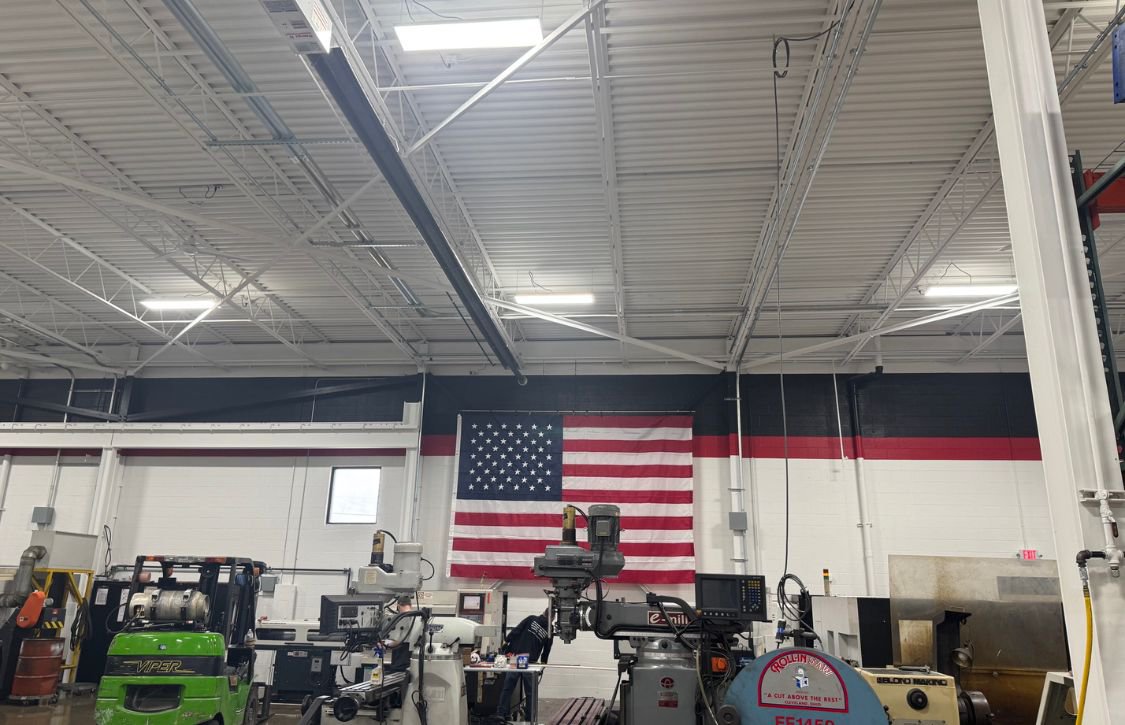
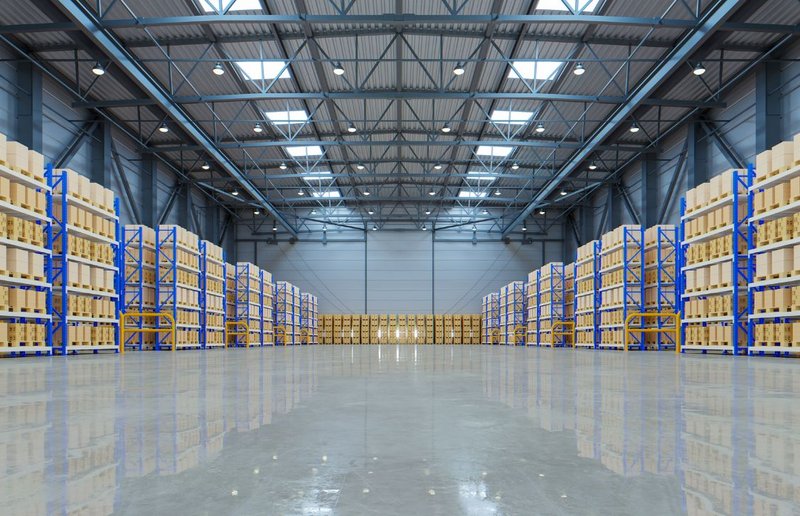
Ceiling height changes everything about how a heat pump performs inside a building. Warm air naturally rises, stacking near the roof of a forty-foot warehouse ceiling. Sensors near the floor rarely reflect the true heat load the equipment must overcome.
What is Recommended for a Large Facility?
A good heat pump COP for a large facility usually falls between two and three during peak winter. Field conditions like these produce that range rather than the higher numbers shown on a spec sheet. Facilities running colder or larger spaces should expect performance nearer the bottom of that range.
In turn, air distribution equipment has to work harder to push warm air down to occupants. Long duct runs and high fan speeds both eat into the electrical savings a heat pump promises. Radiant infrared equipment skips this distribution challenge by warming occupants and surfaces directly instead.
Combustion Research often gets called in after a heat pump underperforms in a large bay. Our engineers compare actual utility data against the original heat pump COP projection first.
A single walkthrough like that usually explains months of unexpectedly high electric bills. Owners then weigh a heat pump upgrade against a direct switch to radiant infrared heat. See our comparison of gas-fired unit heater efficiency against electric options for large buildings.
The Hidden Costs Behind a Low Heat Pump COP
A dropping heat pump COP does not show up as a single obvious line item. It shows up gradually across a full winter of higher electric demand charges. As a result, backup electric resistance coils often kick in during the coldest hours of the season.
Backup resistance coils run at a COP near one, erasing most of the heat pump's advantage. Utility demand charges usually spike hardest during exactly these cold, high-draw hours of operation. Facilities rarely budget for that spike when they first calculate projected annual savings.
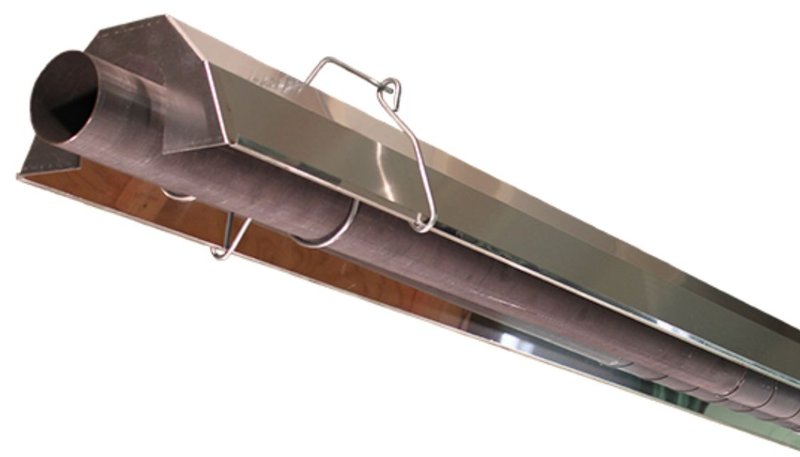
In contrast, radiant tube heaters avoid this backup-coil problem because they burn fuel directly on demand. Output stays remarkably steady no matter how far the outdoor temperature falls overnight, as shown in our guide to transitioning from hydronic boilers to direct-fired radiant infrared. Reliability like this matters most on the coldest night of the entire year.
When a Heat Pump Still Makes Sense
Heat pumps still fit plenty of buildings despite these documented real-world efficiency limits. Similarly, mild climates with moderate ceiling heights rarely see the sharp COP drop-off described here. For example, offices and retail spaces with standard insulation often perform close to their rated efficiency.
Likewise, Combustion Research helps you run that comparison before you commit capital either way. Our engineers know both technologies well enough to give you the honest answer.
Large open volumes tell a very different, harder story once winter temperatures fall sharply. High bays, agricultural buildings, and industrial plants push equipment far outside its ideal test range. Radiant infrared systems tend to outperform heat pumps across exactly those building types.
Learn how a strategic HVAC system upgrade to radiant compares against a heat pump retrofit. Every building still deserves an honest look at both technologies before construction begins. The right choice depends entirely on climate, ceiling height, and how the space gets used.
Ready to Get an Honest Heat Pump COP Assessment?
Heat pump COP looks great on paper but often falls short in large, demanding buildings. You deserve real numbers before committing capital to any heating technology for years ahead. Combustion Research has spent over seventy years matching equipment to real building conditions.
Our team can review your building drawings and existing utility bills at no cost. We will show you where a heat pump falls short and where radiant heat performs better. Contact us today to get an honest heat pump COP assessment for your facility.