

September 16, 2026
Hydronic boiler systems have heated industrial buildings reliably for many decades across the country. Boiler installation and repair costs, however, tend to grow steadily as systems age. Direct-fired radiant infrared offers a real alternative worth considering for many facilities today.
Facility owners often stick with an aging boiler simply out of familiar habit. Switching systems feels risky, even when the current setup keeps needing expensive repairs. The sections below explain what a transition to infrared actually involves for you.
Why Hydronic Boilers Drive Frequent Boiler Installation and Repair Costs
Boiler installation and repair costs stem from a system with many moving parts. Pumps, valves, piping, and controls all wear down and eventually need replacement or repair. Each component adds another potential point of failure across the system over the years. Facilities running boilers for decades often juggle multiple maintenance contracts just to stay operational.
Water leaks and corrosion inside piping cause many common boiler repair calls. Aging pipes crack or corrode, especially in older industrial buildings across many regions. Mineral buildup inside pipes also restricts water flow and forces pumps to work harder. That extra strain shortens pump life and raises the odds of an unplanned shutdown. Boilers also carry standby losses since they sit away from the heated space.
Heat lost in transit through piping never reaches the workers who need it. Losses like this add up significantly across a large facility over a season. Facility managers often accept these costs simply because the system has always worked. Therefore, it pays to compare true long-term costs before committing to another repair.
How Direct-Fired Radiant Infrared Changes the Equation
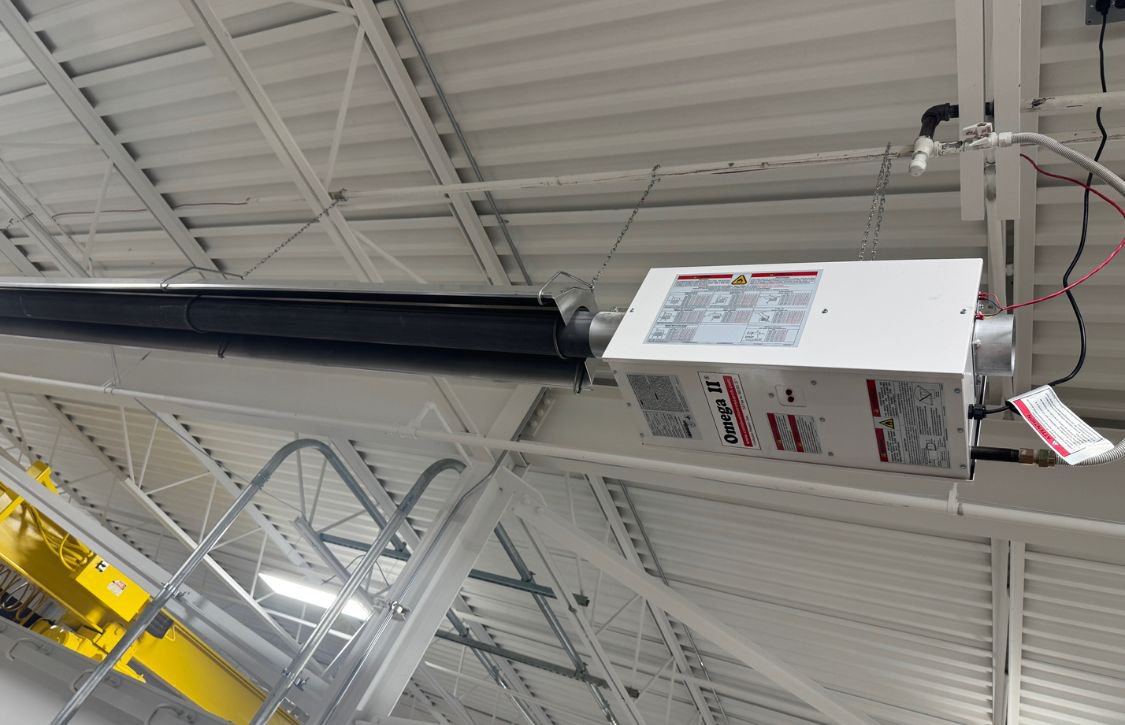
Direct-fired radiant infrared skips the boiler, piping, and pump loop entirely from the start. A single tube heater burns fuel and radiates heat directly into the space. There is no intermediate water loop to leak, corrode, or need constant service.
What Boiler Installation and Repair Problems Does Infrared Avoid?
Infrared heating avoids most boiler installation and repair problems tied to water loops. There are no pumps, valves, or pipes to leak, freeze, or corrode over time. Maintenance shrinks to the burner and tube instead of an entire piping network.
Fewer components mean fewer things that can break down during a cold winter. Facility owners see fewer boiler installation and repair calls once they make the switch. Lower maintenance needs also mean lower long-term operating costs for the facility overall.
Meanwhile, direct-fired systems also avoid the standby losses tied to remote boiler placement. Heat reaches workers immediately instead of traveling through pipes before it ever arrives.
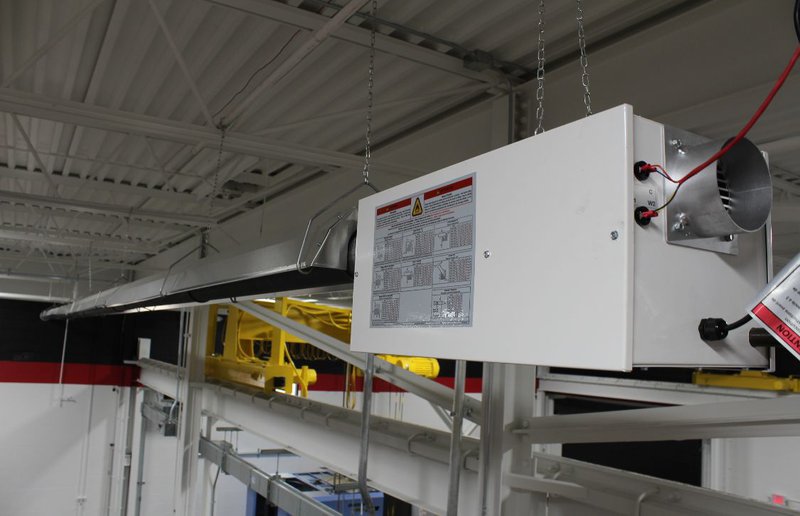
Facility owners, as this radiant heat guide explains, also gain faster response since infrared heats up almost instantly. Boilers often need time to heat water before any warmth reaches the building. As a result, infrared delivers comfort faster with far less mechanical complexity involved.
Comparing Boiler Installation and Repair Costs to Direct-Fired Systems
Boiler installation and repair costs typically include piping, pumps, valves, and controls across the system. Direct-fired infrared installation involves far fewer components and a simpler setup for most facilities. Fewer components generally mean a faster, less disruptive installation process for your facility.
Ongoing repair needs also differ significantly between the two heating types over their service life. Boiler systems need periodic pump, valve, and piping maintenance throughout their service life. Direct-fired systems need mainly burner and tube inspection on a similar schedule each year.
| Factor | Hydronic Boiler | Direct-Fired Infrared |
|---|---|---|
| Installation complexity | High, many components | Lower, fewer components |
| Typical maintenance items | Pumps, valves, piping | Burner and tube only |
| Standby heat loss | Present, boiler often remote | Minimal, heater is on-site |
Upfront costs vary depending on building size and existing infrastructure already installed. A detailed comparison, supported by this suspended tube radiant heat guide, helps you see the true cost difference. CRC engineers can walk you through a detailed cost comparison for your building. Understanding both sides helps you make a confident, well-informed decision for your facility. For example, older boilers often justify a switch within just a few years.
Planning a Transition From Hydronic to Radiant Infrared
Planning a transition starts with an honest assessment of your current boiler system. Age, condition, and recent boiler installation and repair history all factor into timing. Facility layout also shapes how a new infrared system gets designed and installed.
Engineers calculate building heat loss to size the new infrared system for the space. Existing gas lines and electrical service, a factor covered in this warehouse heating strategies guide, often simplify installation. Removing the old boiler and piping happens on a separate, coordinated project timeline.
Meanwhile, many facilities transition in phases to avoid disrupting daily operations during the changeover. A phased approach lets you validate performance before removing the old system entirely.
When planning a transition to direct-fired infrared, review these items:
- Age and condition of the current boiler
- Building heat loss and sizing needs
- Existing gas and electrical infrastructure
- Timeline for removing old equipment
CRC engineers can help you plan a smooth, well-sequenced transition for your facility. Getting the sequence right avoids unnecessary downtime during the coldest months of the year. Therefore, careful planning makes the entire transition smoother for your team and budget.
Boiler installation and repair costs only grow as hydronic systems continue aging year after year. Direct-fired radiant infrared offers a simpler, more reliable alternative for many facilities today. CRC engineers can help you plan a transition that fits your specific building.
Our team has guided many facilities through this exact transition over the years. We can help you compare true costs and plan a smooth changeover process. Speak with CRC today about switching away from costly boiler installation and repair.