

May 4, 2026
Heating large commercial and agricultural spaces is a serious engineering challenge. These environments demand consistent warmth across wide floor areas, often in buildings with high ceilings, open bays, or inadequate insulation. The right heating solution must balance energy efficiency, operational reliability, and long-term cost control. A gas-fired unit heater has long been a trusted answer for these demanding conditions. Understanding how these systems work, and what sets high-efficiency models apart, helps facility managers and engineers make well-informed decisions.
How a Gas-Fired Unit Heater Outperforms Conventional Heating
Traditional forced-air and electric resistance systems can struggle in open, expansive spaces. They cause heat to rise quickly, leaving floor-level occupants cold and wasting energy near the ceiling. Gas-fired systems address this shortcoming by delivering radiant or convective heat more efficiently across a given area.
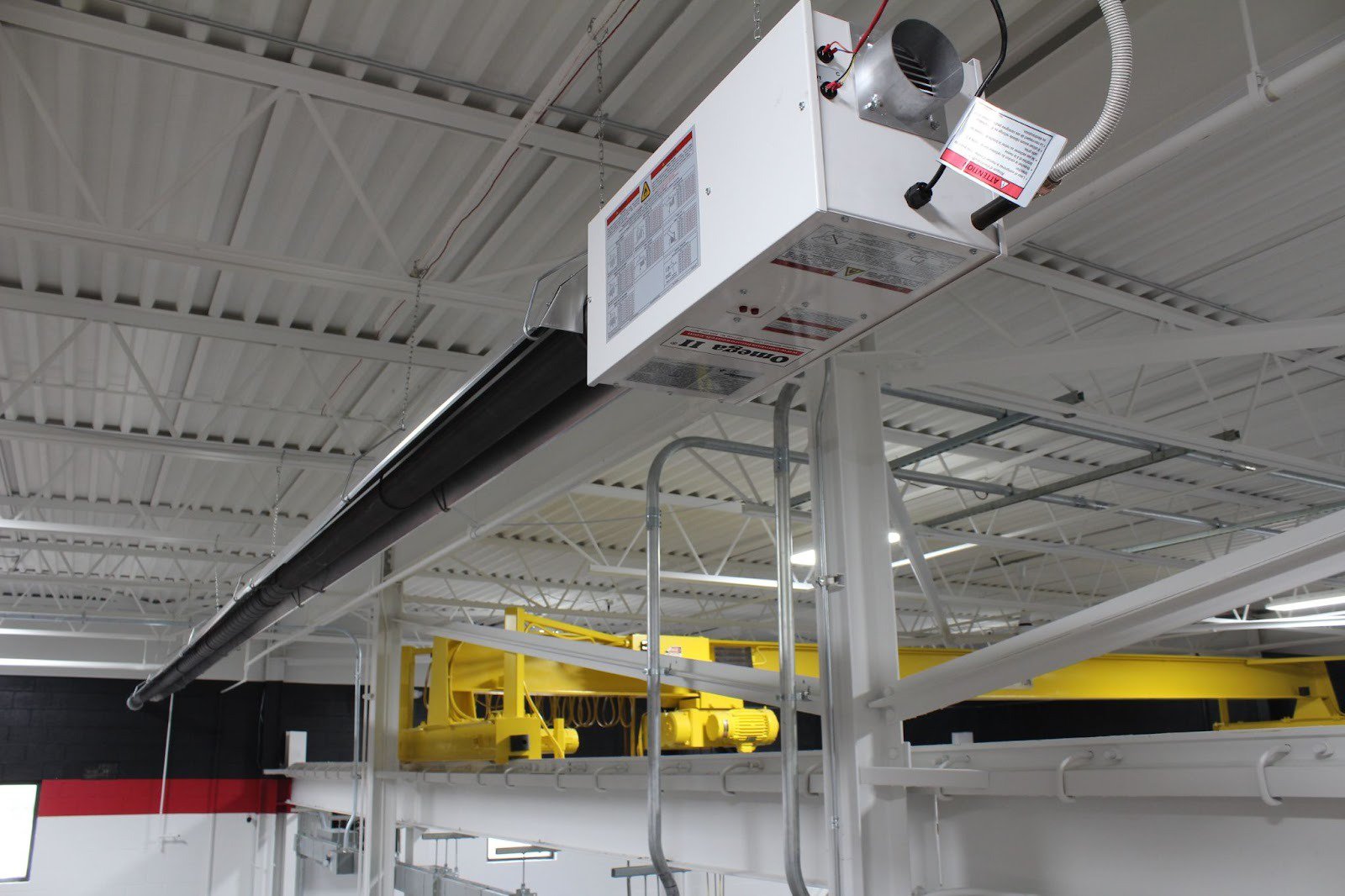
Low-intensity infrared tube heaters, a common type of gas-fired unit heater, emit radiant heat that warms objects and surfaces directly. This approach mirrors how sunlight warms a room. Occupants and equipment absorb heat without needing the surrounding air to warm up first. This process delivers faster comfort and lowers fuel consumption compared to purely convective systems.

High-efficiency models incorporate sealed combustion chambers and advanced heat exchangers. These components extract more usable heat from each BTU of gas consumed. Thermal efficiency ratings for modern units often exceed 90%, a notable improvement over older equipment.
Industrial Settings: What to Look for in a Heating System
Industrial facilities present unique challenges. Warehouses, manufacturing floors, and auto service bays typically have high ceilings, large doors, and frequent air infiltration. A heating system must compensate for these conditions without driving up utility costs.
Key performance considerations for industrial heating include:
- Turndown ratio: Systems with higher turndown ratios modulate output more precisely, reducing short-cycling and improving fuel efficiency.
- Venting flexibility: Both power-vented and vacuum-vented configurations are available, giving engineers options for different building layouts.
- Zone control capability: Sizeable facilities benefit from dividing heating into zones, allowing targeted warmth only where and when it is needed.
- Durability in harsh environments: Industrial settings expose equipment to vibration, dust, and chemical fumes. Look for heavy-gauge steel construction and corrosion-resistant components.
Proper system design also matters. Sizing a gas-fired unit heater incorrectly leads to uneven heat distribution or wasted capacity. Engineers typically use heat loss calculations based on building envelope, occupancy, and local climate data to determine the correct unit size and placement.
Agricultural Heating Demands and Why They Differ
Agricultural facilities have distinct heating requirements compared to industrial buildings. Poultry houses, hog barns, greenhouses, and equestrian facilities all involve living things sensitive to temperature fluctuations. Even brief drops can affect animal health, crop yields, or livestock production.
Humidity is another major factor. Agricultural environments typically have elevated moisture levels from animal respiration, irrigation, and cleaning operations. Heating equipment in these settings must handle condensation and corrosive atmospheres without premature failure.
Radiant tube heaters for agricultural applications maintain floor-level warmth, which is essential for young animals and seedlings. Drafts are reduced as well, which can otherwise stress livestock. Unlike forced-air systems, radiant heaters do not circulate dust or pathogens through the air, a critical advantage in sensitive animal housing.
Energy management is equally essential. Agricultural operations tend to run continuously, so even modest gains in fuel efficiency translate to substantial annual savings.
Efficiency Metrics That Matter When Selecting a Heater
Thermal efficiency alone does not tell the full story. Engineers and facility managers should evaluate several performance indicators:
- Annual Fuel Utilization Efficiency (AFUE): This metric reflects real-world performance over an entire heating season, not just peak conditions.
- Radiant efficiency: For infrared systems, this measures how much energy converts to usable radiant heat rather than being lost through convection or exhaust.
- System pressure requirements: Low-pressure systems are easier to balance across a facility and simplify installation.
Emissions standards deserve attention as well. Modern gas-fired infrared heating systems must meet increasingly strict NOx and CO limits. Selecting a compliant unit now avoids costly retrofits as regulations tighten.
Find the Right Gas-Fired Unit Heater for Your Operation
Combustion Research Corporation has been designing and manufacturing low-intensity infrared heating systems since 1952. Based in Rochester Hills, Michigan, the company serves industrial, commercial, and agricultural clients across the United States.
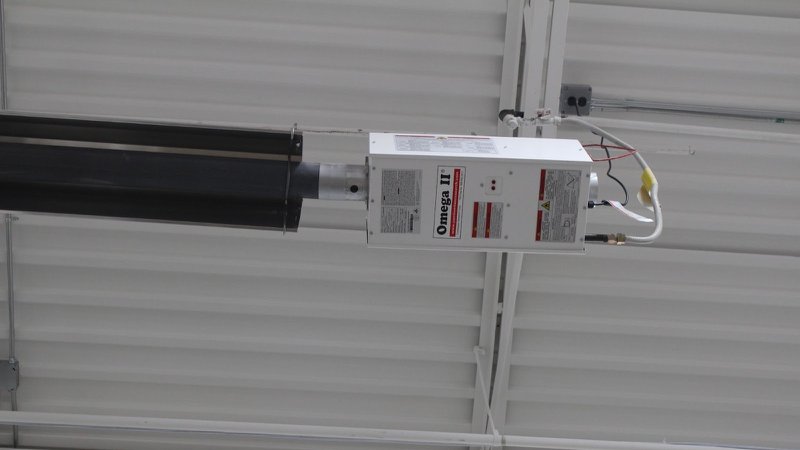
Their Reflect-O-Ray® and Omega II® product lines are strong options in the gas-fired unit heater category. The Reflect-O-Ray® is an engineered design system configured specifically for each project. The Omega II® offers a pre-engineered package for faster specification and installation. Both lines are available in vacuum-vented and power-vented configurations, providing flexibility across a wide range of building types.
The company does not build in required maintenance products like filters or components prone to condensation-related failure. This design philosophy supports lower lifetime ownership costs and a reduced maintenance burden.
Whether you are specifying a system for a new facility or upgrading an existing one, working with a manufacturer experienced in both the technical and operational sides of the application makes a real difference. Contact Combustion Research to discuss your project requirements and get the right system specified from the start.