

October 14, 2026
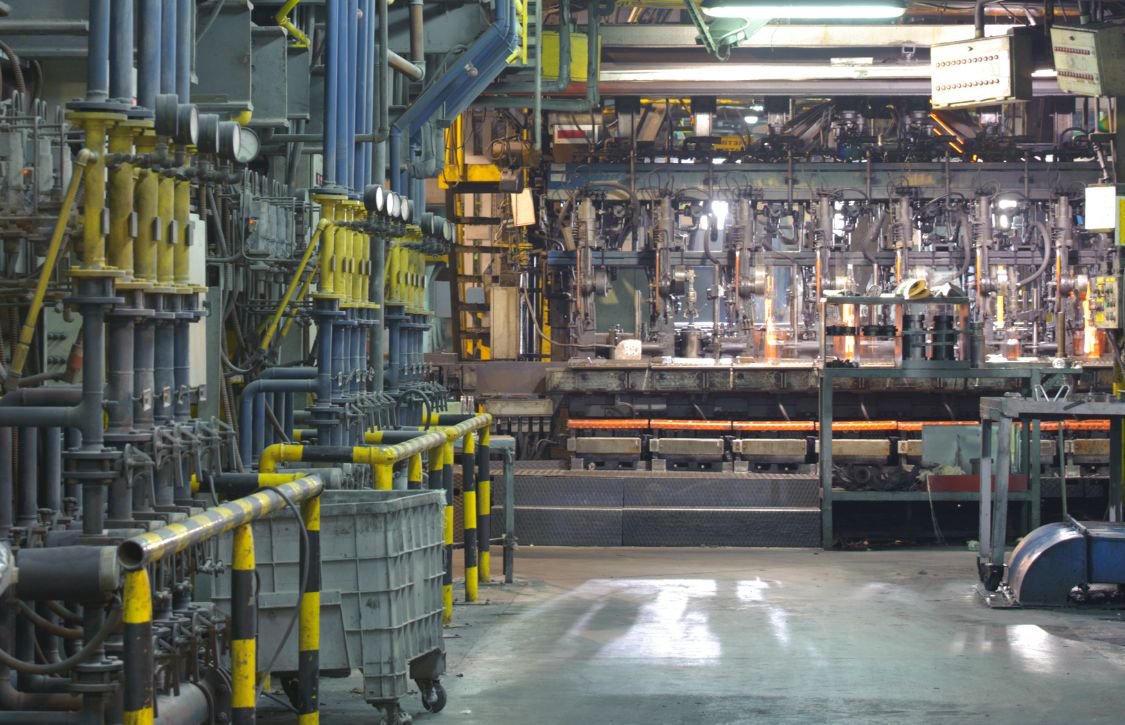
Plant managers rarely plan an HVAC system upgrade until an old boiler or furnace finally fails. Heating, Ventilation, and Air Conditioning (HVAC) equipment in most industrial plants runs far past its intended service life. Waiting for failure turns a planned upgrade into an expensive, rushed emergency project.
A strategic HVAC system upgrade instead starts months before any equipment actually breaks down. Plant engineers map fuel use, ceiling height, and production schedules before choosing new equipment. Careful groundwork like that turns a routine equipment swap into a real gain in comfort and efficiency.
Why Aging Plants Need a Planned HVAC System Upgrade
Old forced-air furnaces lose efficiency slowly, so most plants never notice the drift. Ductwork develops leaks, filters clog, and blower motors strain to move the same air volume. None of these losses show up clearly until a full utility bill comparison across several years.
In turn, rusted duct sections and worn dampers also change airflow patterns across the plant floor. Some bays end up overheated while loading docks and corners stay stubbornly cold. Uneven comfort like this frustrates workers and can even slow production during winter shifts.
An HVAC system upgrade addresses these problems directly instead of patching them one at a time. Replacing a forced-air furnace with radiant tube heaters removes ductwork from the equation entirely. Learn more in our checklist for a commercial HVAC installation before you start planning. Every plant deserves a comfort audit before committing capital to new heating equipment.
What Is an HVAC System Upgrade to Radiant Heat?
An HVAC system upgrade to radiant heat replaces ducted forced-air equipment with overhead infrared tube heaters. The new heaters warm workers, machinery, and floors directly instead of heating and circulating air. Plants typically see fewer drafts, lower fuel bills, and far less required maintenance after the switch.
Planning the Transition Without Disrupting Production
Production downtime worries plant managers more than almost any other part of an HVAC system upgrade. Radiant tube heater installation, however, usually avoids the extended shutdowns a full ductwork replacement requires. Crews can often mount new units above an active production floor during off shifts.
Existing gas lines frequently need only minor modification rather than a complete rebuild. Combustion Research designs its Reflect-O-Ray systems around straightforward vacuum-vented or power-vented layouts for plants. As a result, installation crews can work zone by zone without shutting the entire plant down. Phased installation also spreads capital costs across two or even three budget cycles. A plant might convert its highest-ceiling bay first, then expand coverage the following year. A phased approach like this lets engineering teams confirm real fuel savings before spending further budget.
See our guide on reducing HVAC installation cost for more detail on phased conversions. Every phase should include a review of actual utility data against the original savings projection.
What an Upgrade Delivers on the Plant Floor
First, fuel savings usually headline any HVAC system upgrade proposal presented to plant leadership. Radiant heat systems commonly cut fuel consumption by 30% to 50% versus forced-air setups. A figure like that often justifies the entire project before any other benefit gets discussed.
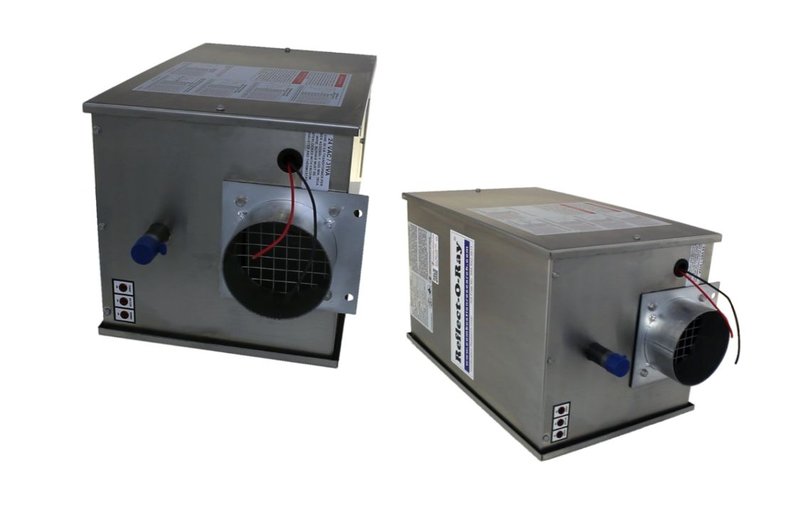
Maintenance costs drop just as sharply once filters, belts, and blower motors leave the equation. Combustion Research builds its tube heaters without the condensation-prone parts that force frequent replacement.
Air quality improves too, since radiant systems recirculate far less dust and airborne debris. Workers on the floor also notice steadier warmth near loading docks and open bay doors. Explore real deployment stories in our piece on spot heating for large industrial plants.
Choosing the Right Partner for an Industrial HVAC System Upgrade
Not every contractor understands the engineering behind a large-scale radiant conversion project like this. Ask any bidding contractor for load calculations specific to your ceiling height and floor plan. Generic quotes based only on square footage alone usually miss real performance targets entirely.
Manufacturer support matters just as much as installation experience during a plant-wide upgrade. Combustion Research has supported engineers and contractors from Michigan for more than seventy years. Support like that continues well past the installation date through parts, service, and design guidance. Ask prospective partners how they handle warranty claims and long-term parts availability too. A heating system only pays off if it keeps running reliably for decades ahead.
Ready to Plan Your Industrial HVAC System Upgrade?
An HVAC system upgrade done well pays for itself through fuel savings and reduced downtime. Waiting for old equipment to fail almost always costs more than planning ahead does. Combustion Research has guided industrial plants through exactly this transition for generations now.
Our engineers will review your current equipment, fuel bills, and floor plan together. We will show you a realistic timeline and budget before you commit to anything. Contact us today to start planning your very next industrial HVAC system upgrade.