

October 16, 2026
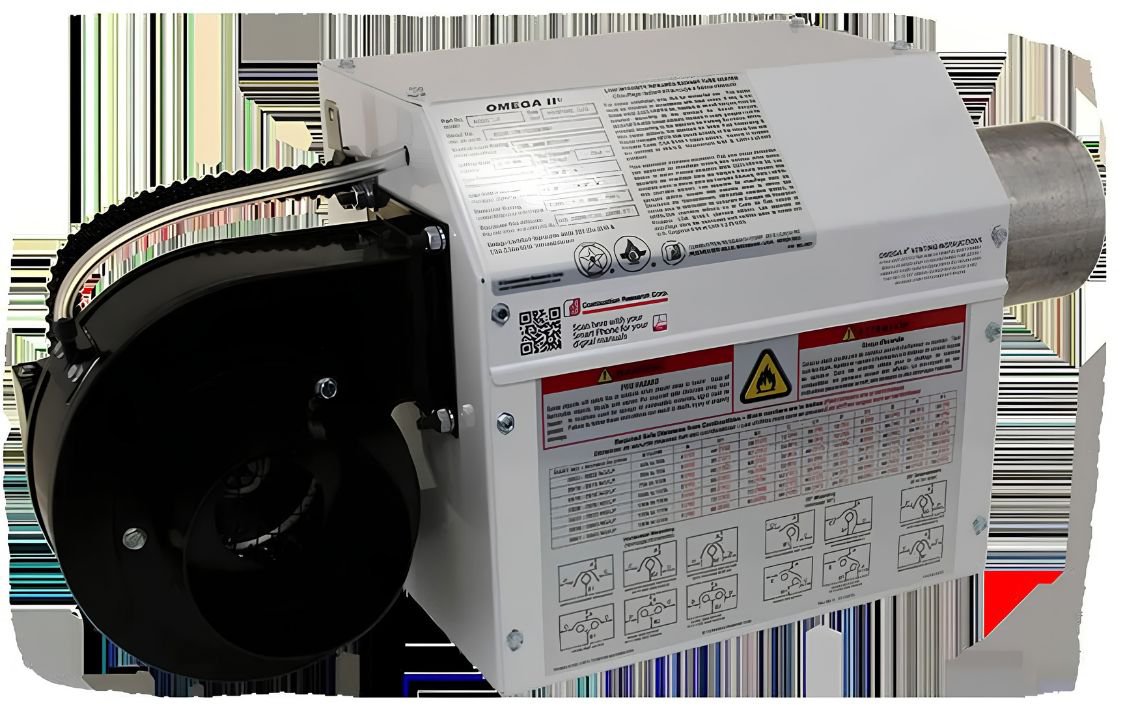
A radiant heater with a natural gas system warms your garage without the noise of a furnace. Homeowners choose this setup because it heats tools, vehicles, and concrete floors directly. Direct warmth like that makes a workshop usable again even on the coldest winter mornings.
You likely already have a natural gas line running to your house for other appliances. Extending that line to the garage often costs less than installing new electrical circuits. The steps below cover sizing, venting, and installation before you call a contractor.
Why Choose a Radiant Garage Heater With a Natural Gas Setup
Forced-air garage heaters blow warm air around a space that leaks heat constantly. Garage doors, uninsulated walls, and drafty windows all fight against that circulating warm air. A radiant garage heater natural gas unit skips the air entirely and warms objects directly.
Tools, workbenches, and even your vehicle's hood absorb that radiant energy and hold warmth. In fact, you feel comfortable working at a bench even while cold air still leaks in nearby. Homeowners who use their garage as a workshop notice this difference within the first cold snap.
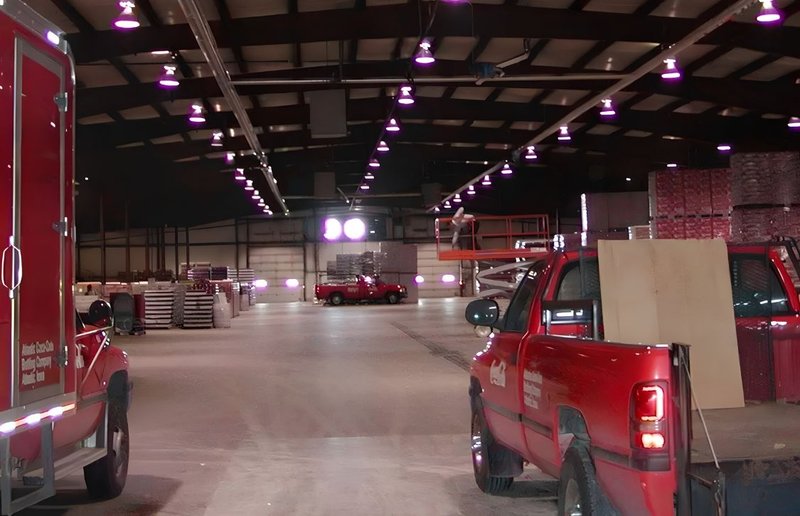
Natural gas also costs less per unit of heat than electricity in most parts of the country. As a result, a natural gas radiant garage heater typically runs cheaper than an equivalent electric unit. See our full garage heater fuel options guide for a side-by-side cost breakdown.
How Much Does It Cost to Run?
A natural gas radiant garage heater typically costs less than a dollar for several hours of steady use. Actual cost depends on your local gas rate, garage size, and how well insulated the space is. Most homeowners see the unit pay for itself within two to three winters of regular use.
Sizing Your Unit Correctly
Garage size determines heater output far more than any other single factor here. A single-car garage typically needs less output than a detached three-car shop building. Ceiling height also matters, since taller spaces need more BTUs to warm the same floor area.
British thermal unit (BTU) ratings on the box tell you how much heat a unit produces hourly. Undersized units run constantly and still leave cold spots near the garage door.
Oversized units, on the other hand, cycle on and off and waste fuel unnecessarily. Then, a qualified contractor can calculate your exact BTU need from square footage and insulation.
Multi-car garages need special attention, since one undersized radiant garage heater natural gas unit rarely covers the whole bay. Review our breakdown of heating multi-car garages before you finalize any equipment order.
What Installation Actually Involves
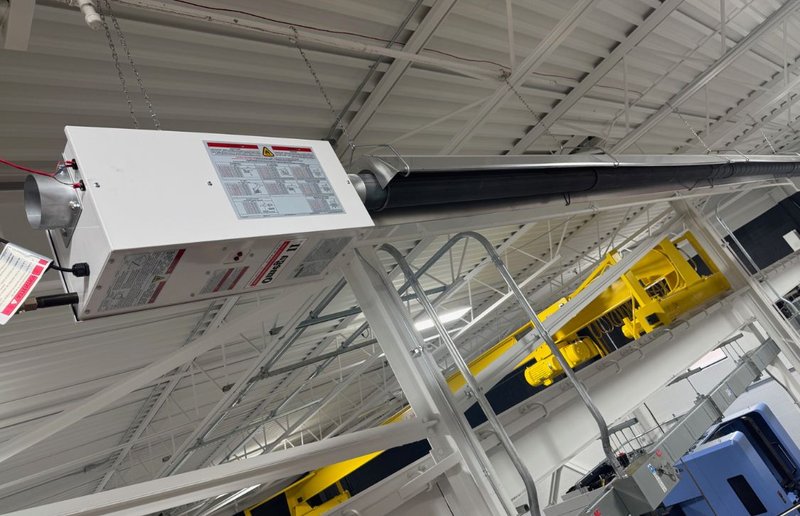
Most radiant garage heater natural gas installations mount the unit near the ceiling, angled downward. Mounting like that keeps the unit clear of parked vehicles, tools, and foot traffic below. A licensed contractor typically completes the mechanical and gas connection work in a single day.
Venting requirements depend on the specific unit model and your local building code. Some units vent directly through an exterior wall, while others use a vertical roof vent instead, as our guide on how to vent a radiant tube heater explains. Either option needs proper clearance from combustible materials and finished surfaces nearby too.
Likewise, gas line sizing matters just as much as heater selection for safe, reliable operation. An undersized gas line starves the burner and can trigger safety shutoffs repeatedly. A licensed plumber should confirm your existing line handles the added BTU load before installation day.
Finally, always pull the required permits before starting any gas line or venting work at home. Skipping permits can create real problems later during a home sale or insurance claim.
Maintaining Your Garage Heater Natural Gas System
A radiant garage heater natural gas unit needs far less upkeep than a forced-air furnace. There are no filters to replace and no ductwork to inspect for leaks or damage. Combustion Research designs its tube heaters without the condensation-prone parts that force early replacement.
Still, a yearly visual check of the burner, venting, and mounting hardware makes good sense. Dust buildup on the reflector can slightly reduce output over several seasons of regular use. A quick wipe-down before each winter keeps the unit performing close to its original output.
Ready to Install a Radiant Garage Heater Natural Gas System?
A natural gas radiant garage heater turns a cold garage into real usable space year-round. Ultimately, the right size and installation approach make the difference between comfort and constant frustration. Combustion Research has engineered infrared heating equipment in Michigan for more than seventy years.
Talk with a licensed contractor about which model fits your garage size and layout. Ask them to confirm gas line capacity before you commit to a specific unit. Contact us today to find a trusted dealer located somewhere near your home garage.