

August 14, 2026
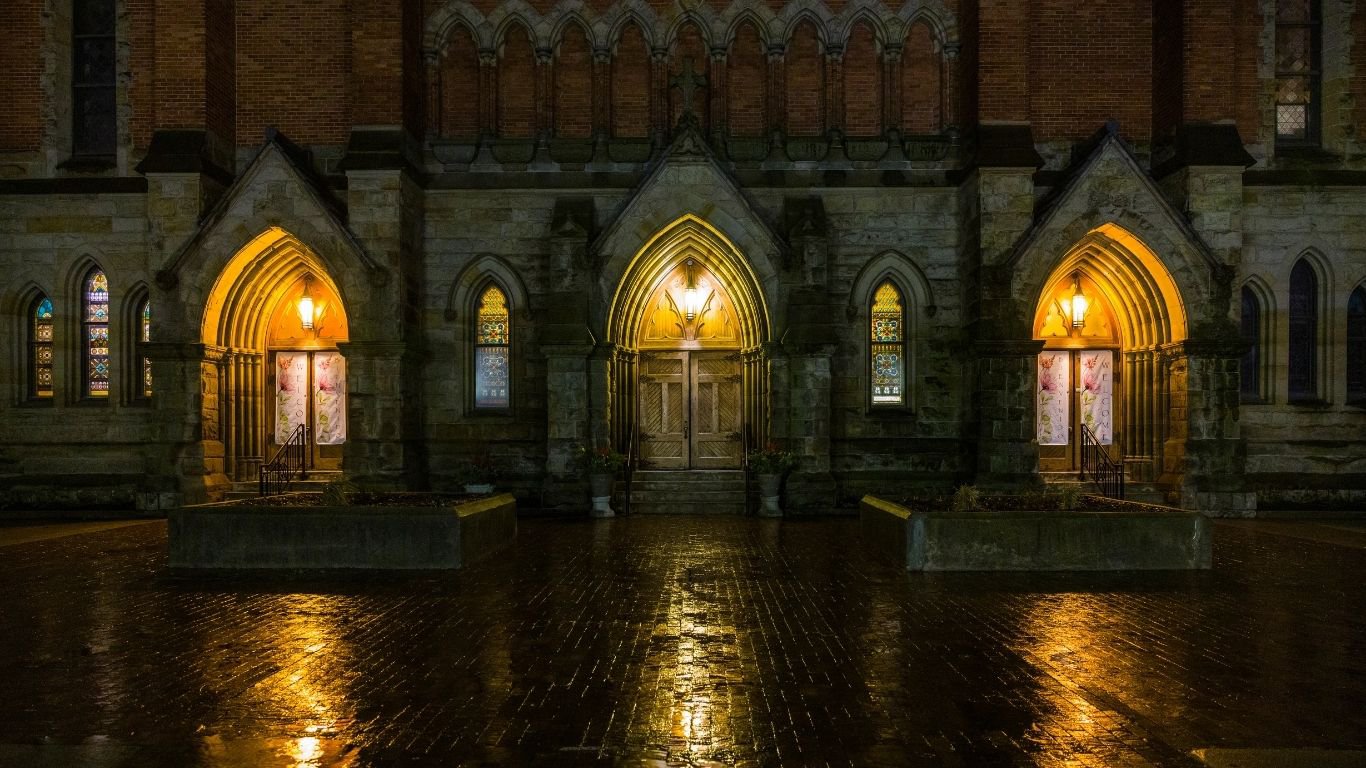
Cutting new ductwork into a century-old sanctuary tends to do more damage than the cold ever did. Church heating in landmark buildings runs into that problem fast. Forced air is the standard fix for a drafty, uneven interior. That means trunks, return chases, and registers cut into ceilings and walls that the original structure never had room for.
The National Park Service's preservation guidance on mechanical retrofits puts a number on that risk. Mechanical systems alone can occupy up to 10% of a structure's floor area. Ducted systems can push a rehabilitation budget thirty to forty percent higher than it would otherwise run. For congregations and historical societies on fixed budgets, that math reshapes a project before anyone specifies a unit.
Low-intensity radiant tube heating sidesteps the problem by changing what the system actually has to move. Instead of circulating heated air through ductwork, radiant tubes direct infrared energy downward from overhead reflectors. Heat reaches the floor, the pews, and the people in the room directly. There's no trunk line through a bell tower, no hole in a coffered ceiling, no chase in a sacristy wall. The mounting hardware sits above the sightline, while low-mass tubing heats quickly. As a result, the building doesn't need to idle at a setback temperature for adequate heat recovery.
Why Church Heating Can't Follow the Standard Forced-Air Playbook
Every new opening in a historic roof or wall is a liability. Felt, flashing, and masonry that have weathered a century of freeze-thaw cycles don't take kindly to fresh penetrations. Water intrusion around a poorly sealed vent is one of the more common ways historic roofing fails early. Sealed combustion and vacuum-vented exhaust designs minimize the number of roof penetrations a heating system requires. That matters more on a slate or standing-seam roof than on a modern metal building.
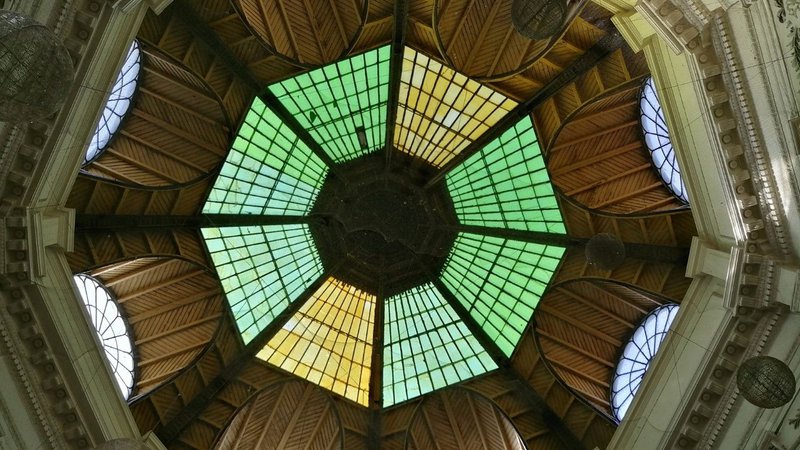
The NPS also treats building reuse as a baseline environmental standard. Preserving an existing structure avoids the carbon expenditure of new construction. This practice directly reduces long-term material waste. Using this logic, the greenest building is the one already standing. Weatherizing or upgrading mechanical systems works best when the changes are reversible and visually compatible with the architecture. A unit hanging from existing roof trusses or wall brackets meets that standard. A rooftop package unit with new ductwork running through the building generally doesn't.
Church Heating Decisions That Are Hard to Undo
Some choices in a historic building are easy to undo if they turn out wrong. Cutting a chase through hand-plastered walls, or removing original woodwork to box in return air, generally can't. The NPS preservation brief on mechanical systems recommends prioritizing significant architectural spaces and features at the outset. So many heating retrofits cause damage that's difficult or impossible to reverse once crews finish the work. A system that doesn't require that intervention removes the risk before it has a chance to become a regret.
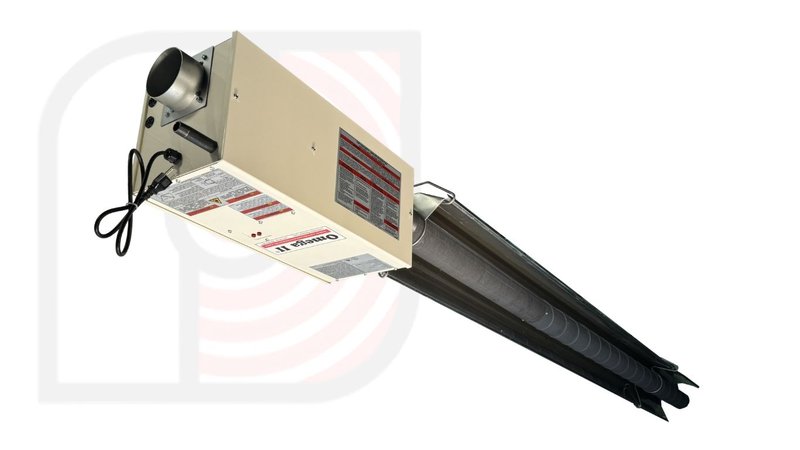
Many historic structures, churches especially, sit unoccupied for long stretches between services. A system that depends on filter changes requires upkeep on a schedule that the building's use doesn't naturally support. CRC's filter-free engineering removes that dependency. That matters when maintenance falls to a volunteer rather than a facilities staff member on a set rotation.
The Dry Tube Advantage in a Building You Can't Easily Repair
The dry tube design carries a related benefit that's easy to overlook until it matters. Systems that maximize thermal efficiency often produce acidic condensate as a byproduct. That condensate eventually corrodes tubing from the inside out. Replacing a structural element in a historic building often means sourcing century-old materials. In that context, avoiding a failure mode is worth more than a marginal efficiency gain. CRC's tube longevity engineering targets the highest efficiency that doesn't create condensate. That keeps maintenance near zero over a ten-year warranty, exactly the kind of lifespan a stewardship committee can plan around.
Low-mass tubing speeds heat recovery and reduces the safety concerns that come with older, less-supervised equipment. That adds a margin of comfort for a building without full-time staff. Stewards of historic buildings already weigh tradeoffs between modern comfort and the character that makes a structure worth preserving. A radiant heating system eliminates the operational trade-offs common to forced-air distribution.
For heating projects for congregations and historical societies, contact us today. We’ll be happy to assist you in developing a non-invasive approach before anyone starts drawing plans.