

July 29, 2026
The baseline physics behind infrared radiant heating has not changed in principle since the sun first warmed the Earth. However, the mechanical engineering applied to this equipment keeps advancing. These ongoing improvements matter directly to commercial and industrial system specifiers.
This core thermodynamic reality remains entirely constant: energy transfers directly to surfaces and objects. It does this without first heating the surrounding air mass. Fortunately, recent design improvements focus on how fast that energy reaches its optimum operational output. Modern configurations also reduce volumetric fuel waste. Additionally, they eliminate the high number of moving parts that traditional Heating, Ventilation, and Air Conditioning (HVAC) systems require.
Government-funded research into building technology consistently treats space heating, cooling, and water heating loops as a major priority. These parameters represent the largest single category of building energy use in the country. This comprehensive demand accounts for roughly one-third of total national consumption. Consequently, this immense footprint drives nationwide research initiatives to lower installation costs.
The explicit goal over the next decade is to drop pricing for high-efficiency machinery. Specifically, federal goals target cutting the all-in installed cost of complex thermal appliances by half. Low-intensity infrared radiant configurations already outpace that target. The basic physical delivery path naturally eliminates duct thermal losses. It also bypasses the energy-intensive air-heating steps common to forced-air distribution systems.
How Infrared Radiant Technology Distinctly Branches
Not every infrared radiant configuration addresses building heat demands using the same mechanical approach. For instance, comparing electric infrared panels against high-output ceramic burner plates demonstrates clear operational divergence. These two technologies, inside the same category, perform differently based on key criteria. Each technology serves specific structural requirements based on response runtime variables, mounting orientations, and unique emission profiles. Specifiers evaluating infrared radiant systems find more distinctly engineered paths than existed a decade ago. This variety makes matching equipment geometry to the facility layout far more critical. Engineers no longer have to accept standard distributor inventory.
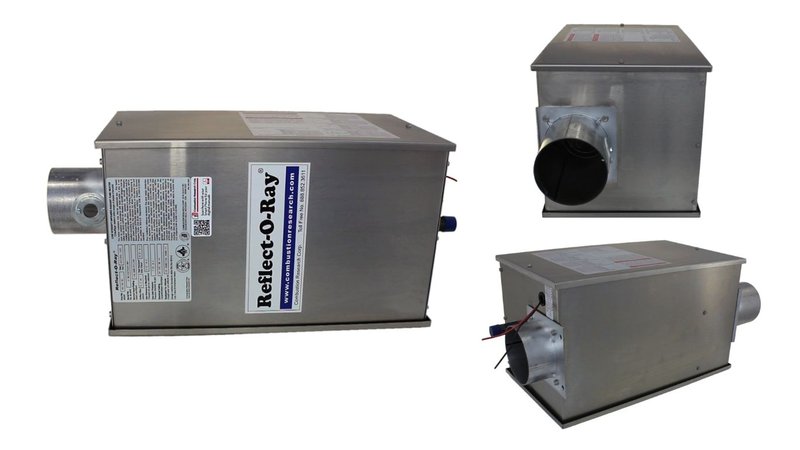
Gas-fired radiant systems have branched in a very similar mechanical direction. Single-stage and dual-input designs give engineering teams a reliable tool to balance system firing capacity. They can match the equipment precisely with actual structural load profiles. This flexible layout approach avoids running a single fixed maximum output regardless of fluctuating outdoor climate conditions. As a result, this staging option delivers a meaningful fuel efficiency gain. This advantage is layered right on top of baseline radiant physics.
This physical branching carries substantial practical benefits for designers compiling precise master specifications. A facility located in a moderate climate with intermittent occupancy requires a completely different load profile than a facility running consecutive production shifts through a severe northern winter. Therefore, the contemporary infrared radiant category provides immense internal diversity. Designers balance layouts across electric versus gas-fired appliances. They also weigh single-stage versus dual-input setups, and low-intensity versus high-intensity configurations. Selecting the exact equipment subtype has become as vital as selecting radiant technology over traditional forced air.
Where Engineering Advancements Shape Emitter Output
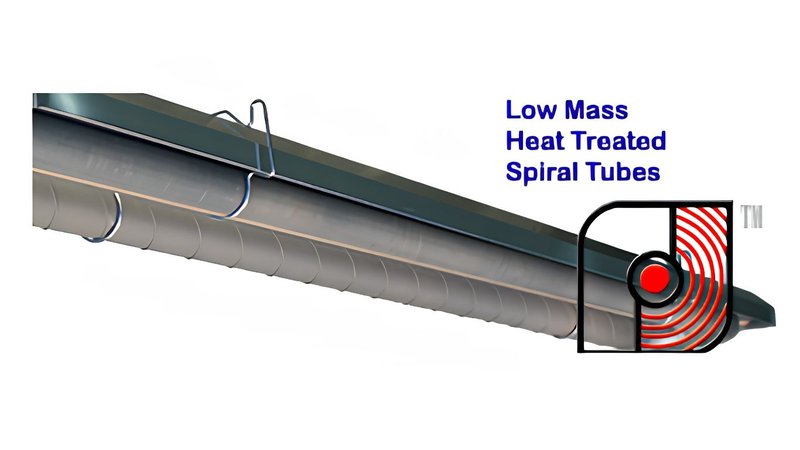
Combustion Research Corporation (CRC) designs its patented spiral low-mass tubing to address these parameters directly. This technology illustrates a specific direction in high-performance engineering. Rather than simply chasing a single laboratory efficiency index, the physical design optimizes heat-up responsiveness. It also ensures uniform emitter output across a multi-zone layout. This configuration produces significant real-world fuel savings. These operational reductions are something a generic steady-state efficiency rating fails to capture entirely. A radiant system that achieves its optimum operating temperature sooner cuts down startup losses. It limits the time spent running at low efficiency during startup cycles. Across a standard six-month winter season, this quick transition reduces utility overhead costs significantly.
The proprietary dry tube design philosophy represents a similar kind of mechanical refinement. Rather than chasing the minor thermal efficiency gain associated with active condensate production, which often yields only a marginal two-percent improvement, CRC engineering stops short of the condensation threshold. The system operates at the highest thermal level possible, which prevents exhaust gas from hitting its dew point inside the pipe. This constraint completely eliminates the generation of highly corrosive acidic byproducts. Consequently, it extends industrial asset lifespans far beyond what typical maximum-efficiency condensing designs achieve.
This identical design discipline applies directly when integrating infrared radiant layouts into aggressive net-zero commercial building goals. Every mechanical component must justify its specific energy footprint. Systems cannot simply ride on the strength of high-performance building envelope insulation alone.
Evaluating System Sustainability via Full Lifecycle Metrics
Modern industrial efficiency initiatives increasingly frame raw energy reduction as a critical first milestone. It represents the most cost-effective initial step toward broader corporate sustainability goals. This practical prioritization precedes capital-intensive structural changes. For example, it comes ahead of immediate full building electrification or complex on-site renewable grid generation. This framework benefits the infrared radiant category specifically. The technology provides a documented thirty to fifty percent fuel savings compared to forced-air distribution setups. It achieves this target without requiring the facility to fund a massive, disruptive capital renovation project first.
The next evolutionary wave in industrial climate control will continue to follow this precise development pattern. Engineering progress does not seek a fundamentally new way of manipulating heat physics. Instead, it focuses on hyper-precise adjustments to the British thermal unit (BTU) to tube-length ratio. It also optimizes advanced sealed combustion architecture and premium emitter metallurgical choices. These details wring more usable infra-red throw from every cubic foot of fuel consumed. For meticulous engineering specifiers looking ahead at total equipment lifecycle costs, this precision represents the only meaningful definition of industrial progress. It provides an objective baseline that moves past short-term upfront hardware quotes.
If you’re looking for a professional partner for your upcoming facility layout, contact us today. We’ll be happy to share our expertise with your team.