

July 27, 2026
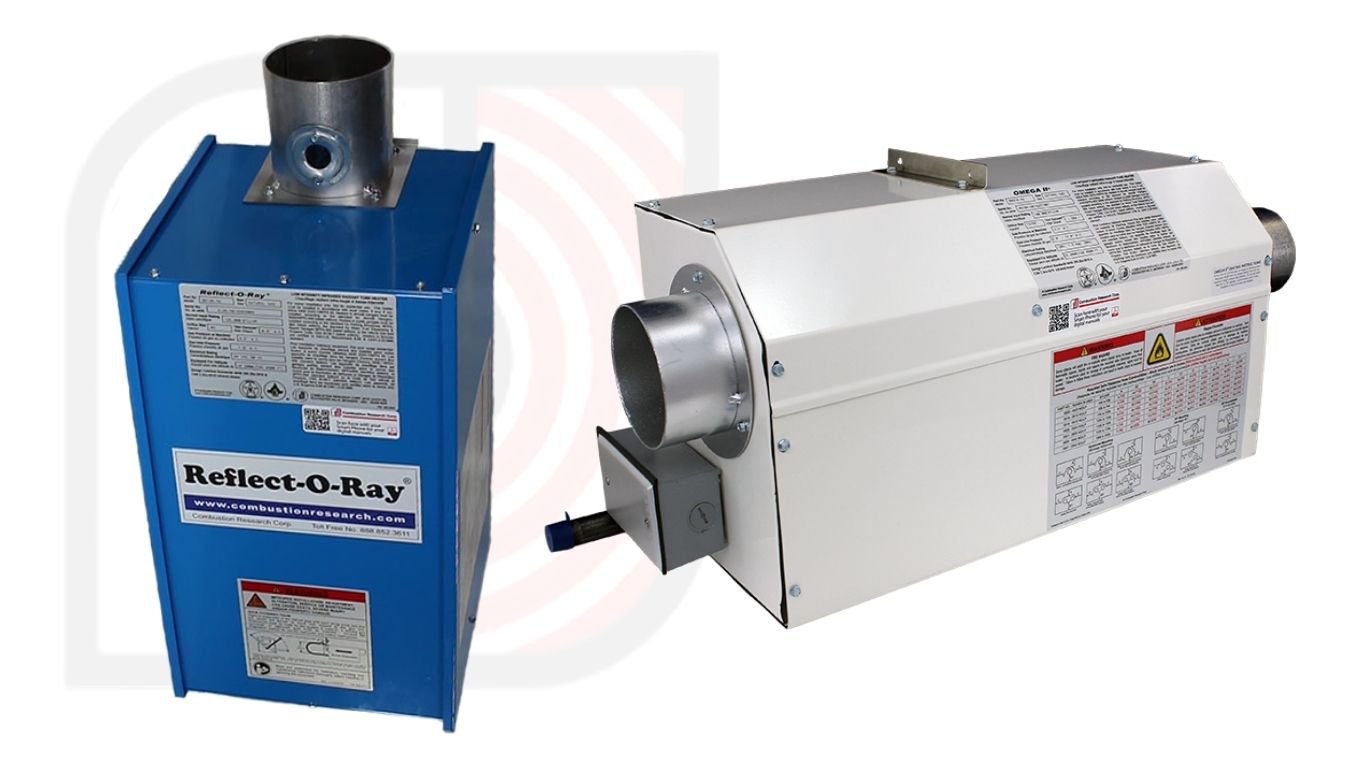
Mushroom houses run on narrower margins than most growers outside the industry realize. A few degrees of temperature swing can shift yield and quality enough to matter significantly on the balance sheet. Similarly, a draft moving across the growing beds easily ruins delicate flushes. Therefore, the choice of a mushroom heater is critical. Traditional equipment built around forced air pushes exactly the kind of air movement growers spend the rest of their operation trying to control.
Low-intensity infrared takes a different approach by warming the growing beds, the casing soil, and the structure directly. As a result, the system avoids circulating turbulent heated air through the space. This distinction matters more in mushroom production than in almost any other agricultural application. For instance, the crop responds directly to surface temperature and humidity rather than generic ambient air temperatures. Furthermore, choosing a specialized mushroom heater over forced-air loops keeps the local microclimate stable from one growing room to the next.
Why a Mushroom Heater Share Greenhouse Layout Constraints
The controlled-environment logic behind a high-efficiency mushroom heater overlaps closely with what greenhouse operations manage. Both layouts require tight temperature bands, high humidity sensitivity, and a crop that responds to surface conditions. Consequently, many of the same equipment decisions that extend a growing season apply directly to mushroom houses. Operators must size units for the specific room parameters rather than a generic square-footage chart.
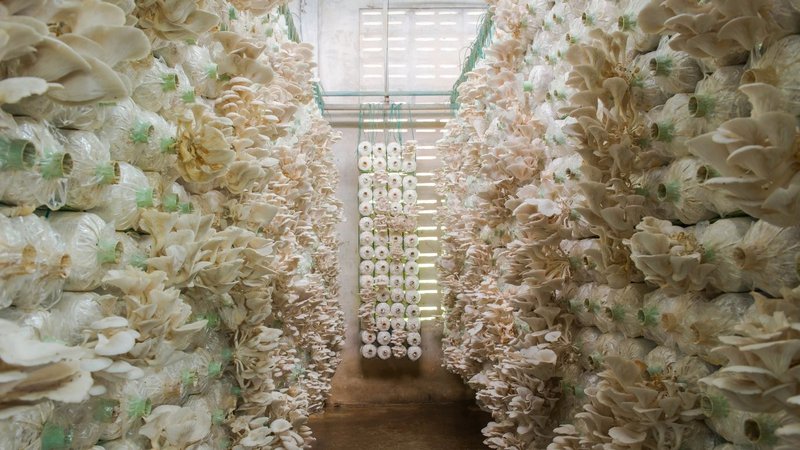
Selecting a specialized mushroom heater that does not disturb sensitive airflow protects the substrate from drying out prematurely. Specifically, infrared benefits a growing environment by warming structural surfaces and crops directly. This thermal distribution cuts down on the temperature stratification and drafts that forced air introduces. This physical rule remains true whether the crop is a row of delicate seedlings or a bed of compost substrate.
Multi-room mushroom operations add a mechanical challenge that single-greenhouse growers do not usually encounter. Different rooms run separate stages of the production cycle at the same time. For example, one room might be in active fruiting while the next is still spawning or casing. Each distinct stage has its own narrow temperature target. Therefore, using an incorrect mushroom heater setup that disturbs airflow in one zone can throw off the timing in an adjacent room. Localized surface heating that stays contained to the room it serves avoids that specific cross-contamination risk.
Where Energy Budgets Go in Commercial Growing Facilities
Heating represents one of the highest recurring costs in any enclosed growing operation. Unfortunately, small to mid-sized mushroom houses often run up that cost due to outdated machinery. Some operators use standard space appliances that were sized poorly for the unique building insulation profile. Fortunately, federal energy efficiency grants through the United States Department of Agriculture (USDA) explicitly cover high-efficiency upgrades. The Rural Energy for America Program (REAP) provides funding available for equipment replacement that pays for itself through lower energy costs.
This federal funding exists because the math behind heating upgrades remains well established. Government research into building technology consistently treats heating and cooling as the largest single energy end use. Consequently, even a modest efficiency gain on equipment running around the clock compounds into massive savings over a single growing season. Upgrading to a low-intensity infrared mushroom heater allows operators to recover these hidden operational costs.
Managing High-Dust and High-Humidity Operational Risks
Mushroom production generates heavy organic dust and requires high humidity levels that quickly degrade standard appliances. Combustion Research Corporation (CRC) engineers its systems with filter-free mechanics to eliminate a common mechanical failure point. A clogged filter in a humid, particulate-heavy growing room becomes a maintenance hazard very quickly. In contrast, a filter-free mushroom heater continues to pull combustion air safely without restricting burner performance.
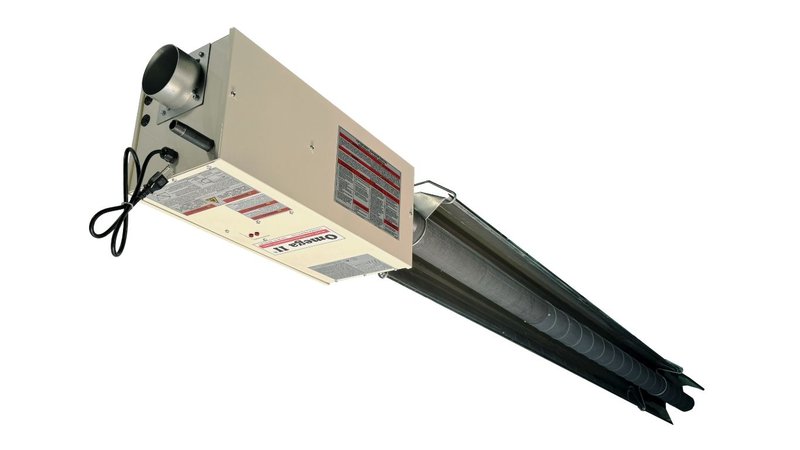
The proprietary dry tube design carries a related advantage for commercial facilities. Avoiding acidic condensate matters immensely in a space that already manages precise humidity for the crop. A system adding its own moisture load works directly against what the grower tries to control. Furthermore, smaller-capacity units sized appropriately for a single growing room recover heat faster after door openings during harvest cycles. Keeping these temperature swings small protects the product during the busiest part of the production cycle.
Growers comparing options for an aging or undersized heating loop are in a strong position right now. Available federal grant funding makes it easier to invest in equipment built around the exact physics the crop requires. This combination of capital support and technical advancement does not come around often. Contact us today. Our engineering team will be happy to map out sizing for a single growing room or a full multi-room operation.