

July 24, 2026
Nobody calls a heating contractor to compliment a mechanical installation that runs flawlessly three winters later. Instead, clients call when something breaks down completely. Every one of those emergency service calls costs the business time, components, and hard-earned client trust. Therefore, a heating contractor who looks for equipment with fewer built-in failure points makes a smart business choice. They protect the professional relationships that keep their operations profitable over the long term.
Consequently, filter-free and condensate-free radiant tube systems feature prominently in professional field recommendations. The two most common sources of repeat service calls on conventional systems are clogged air filters and corroded heat exchanger surfaces. Combustion Research Corporation (CRC) engineers these vulnerabilities out of the system from the very start. As a result, the layout avoids a rigid maintenance schedule that depends entirely on a facility manager remembering to execute it.
What a Heating Contractor Evaluates Before Choosing Systems
A standard commercial Heating, Ventilation, and Air Conditioning (HVAC) installation checklist highlights identical physical variables on every job site. Technicians verify clearance to combustible materials, matching tube length to British thermal unit (BTU) inputs, gas manifold capacity, and future service access. Equipment engineered around these clear factory constraints simplifies field setup. Specifically, factory-aligned parts make checklist milestones faster to document and significantly harder to execute incorrectly.

The Air Conditioning Contractors of America (ACCA) is among the primary mechanical contractor associations in the United States. The organization built its reputation by developing explicit installation and preventative maintenance benchmarks. Major government agencies and industrial manufacturers adopted these standards because they maximize energy efficiency while sustaining occupant comfort. Therefore, a heating contractor working from these standards understands that product engineering dictates installation success. Utilizing an appliance built to minimize field service helps the installer satisfy both halves of that quality equation.
Minimizing Equipment Callbacks via Balanced Design Parameters
CRC matches the BTU-to-tube-length ratio precisely during the manufacturing phase to protect downstream installers. In contrast, short-tube, high-BTU designs reduce upfront capital costs at the expense of higher monthly fuel bills and accelerated component wear. This layout shortcut eventually creates a delayed service call for an unexpected failure. Engineering an optimum thermal distribution ratio benefits the contractor as much as the building owner. Ultimately, the installer's name remains on the invoice when an underperforming asset requires repairs months down the line.
Furthermore, eliminating the internal filter removes a primary source of customer complaints. Building operators frequently neglect filter replacement schedules. They then mistakenly blame the mechanical system when air volumes decline and the burner starts cycling erratically. A low-intensity radiant system built without an active air filtering media completely bypasses this operational failure mode.
Why Technical Specifications Protect Commercial Reputation
This engineering variance carries the most weight when a heating contractor compiles a competitive bid against budget alternatives. A facility manager evaluating two raw proposals rarely identifies the structural differences between short-tube arrays and optimized configurations. Both systems warm the commercial footprint adequately during the initial building commissioning phase. However, the real variance surfaces two or three winters later on the contractor's service ticket ledger. A heating contractor with long-term commercial goals hones in on high-end configurations to completely eliminate those profit-draining tickets.
Federal consumer protection data on hiring mechanical firms warns commercial properties against automatically selecting the lowest initial bid. Firms that consistently provide reliable equipment build robust market reputations that survive competitive bidding pressures. Therefore, a heating contractor who recommends premium radiant systems chooses long-term asset protection over cheap line items. They choose the technical configuration least likely to spark a negative client review years down the road.
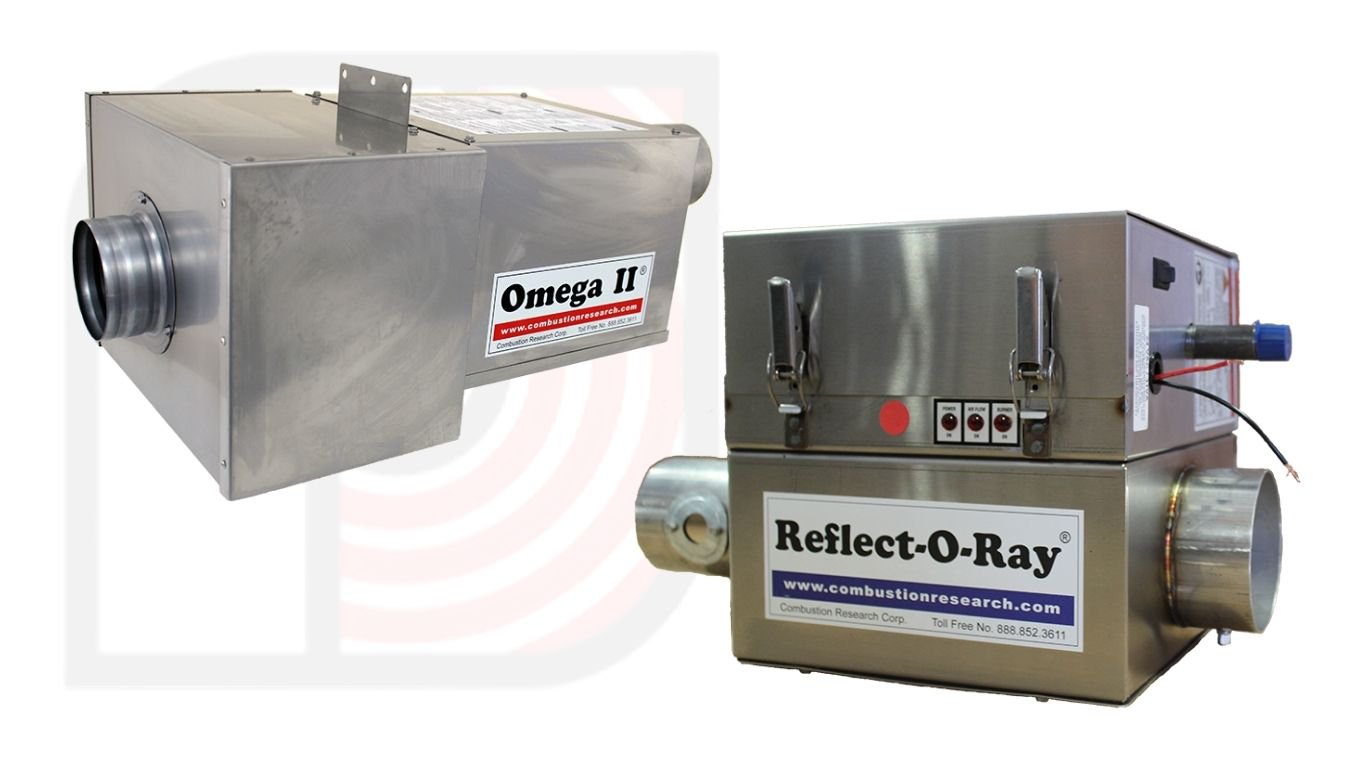
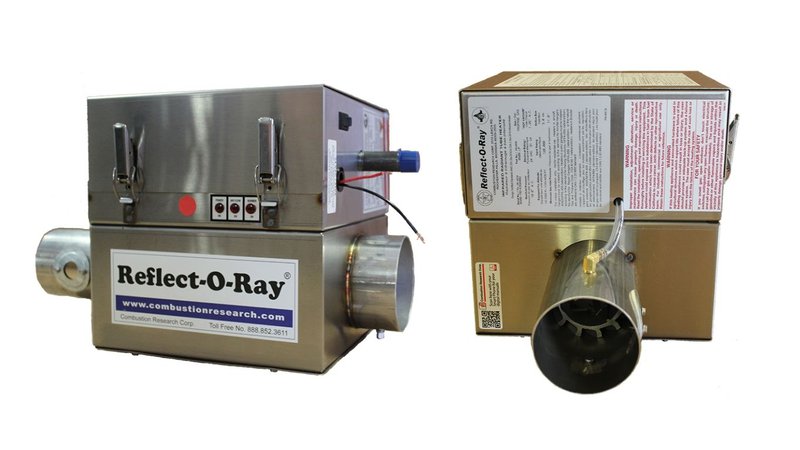
Furthermore, every CRC Reflect-O-Ray and Omega II appliance undergoes rigorous physical testing before shipping rather than simple batch sampling. This strict testing process provides installers with a reliable, verified asset on installation day. CRC backs this production standard with a ten-year radiant tube warranty and a three-year burner control warranty. This coverage shifts structural risk away from the contractor's business assets and places it directly back onto the factory source.
For heating infrastructure engineers evaluating maintenance-free radiant solutions, contact us today. We’ll be happy to help you map out a detailed project layout analysis.