

July 31, 2026
Feed dust, bedding fines, and dried manure particulate fill the air in most agricultural buildings. These particles gather at concentrations that would quickly shut down a standard manufacturing plant. Therefore, high-performance barn heaters for animals must operate inside that harsh environment every single day. Design choices that function reliably in a clean commercial office building can turn into a genuine fire hazard. Specifically, combustible dust accumulates rapidly around an unprotected heat source.
The exact scale of that particulate hazard remains well documented outside of agriculture. However, the industrial numbers translate directly to livestock operations. The Occupational Safety and Health Administration (OSHA) tracks combustible dust incidents across major industries. Their overview outlines 281 separate structural incidents over a twenty-five-year period. Those specific events caused 119 worker fatalities and left 718 others with serious injuries.
Most of these events occurred inside facilities handling completely ordinary materials. For instance, managers do not always think of grain, feed, sugar, flour, and wood fines as explosive materials. Nevertheless, a finely divided combustible material requires no exotic chemical traits to spark an explosion. The particulate simply needs a specific concentration in the air and a high-temperature ignition source nearby.
Why Barn Heaters for Animals Avoid Standard Filters
A basic air filter sitting in a dusty livestock building handles a clear mechanical job. It catches loose, floating airborne particulate. However, the true problem stems from what happens once the filtering media fills completely. A clogged combustion air filter heavily restricts fresh airflow to the burner chamber. Consequently, this volumetric restriction causes incomplete fuel combustion, triggers nuisance equipment shutdowns, or leaves a burner firing with a partially blocked air intake.
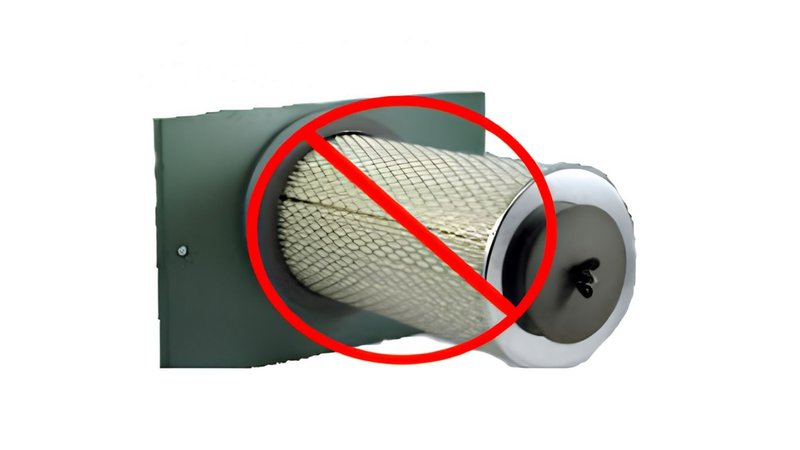
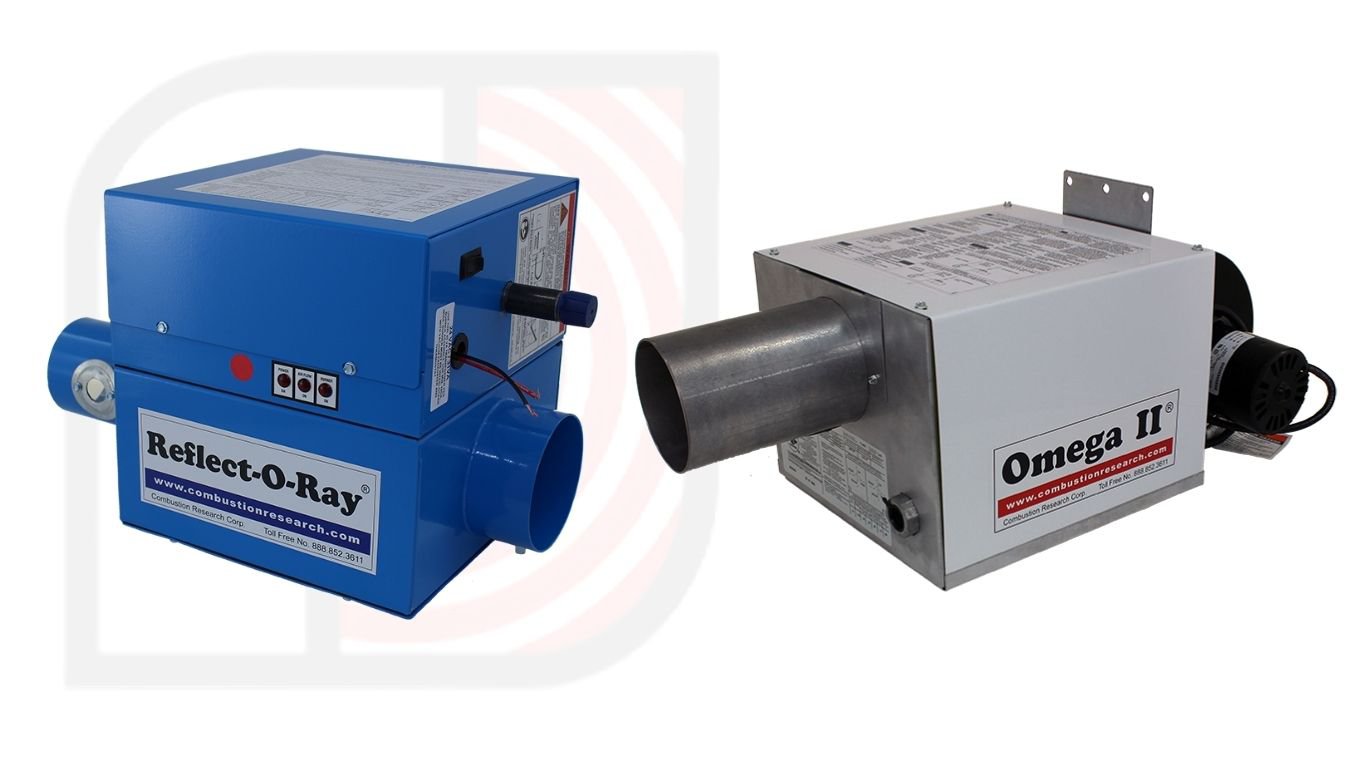
Combustion Research Corporation (CRC) engineers design low-intensity systems without internal air filters. Eliminating the filter removes a continuous maintenance task. Furthermore, it removes a dangerous mechanical failure mode entirely from the facility layout. Operators do not have to manage a strict filter cleaning schedule that competes with daily livestock care.
Industry guidance on agricultural dust hazards confirms why this specific engineering choice matters. For example, the National Fire Protection Association (NFPA) maintains strict agricultural dust standards. These fire codes govern facilities that handle bulk agricultural commodities and their residual byproducts. Thus, the standard treats internal equipment design as a primary safety control point. Designing equipment to prevent dust accumulation means the system never joins the hazard it manages.
Preventing Thermal Ignition via Sealed Combustion Loops
The other half of the safety equation requires keeping the actual flame isolated from the barn atmosphere. As a result, high-efficiency barn heaters for animals require a sealed combustion design loop. This assembly draws fresh intake air and vents hot exhaust gas through a dedicated, solid pipeline. As a result, the layout never exposes an open burner flame to the variable ambient air inside the building envelope.
Airborne particulate concentrations spike suddenly during routine daily operations. Feeding shifts, bedding replacement, and high animal traffic periods stir up massive dust clouds. Consequently, isolating the combustion path protects the property during these volatile operating windows. These acute particulate spikes happen regularly on most active farming operations. Shifting dry bedding material disturbs fine wood or straw particles every time a technician mucks a pen. Similarly, feed dust rises consistently as automated augers fill indoor bins or workers top off alley troughs.
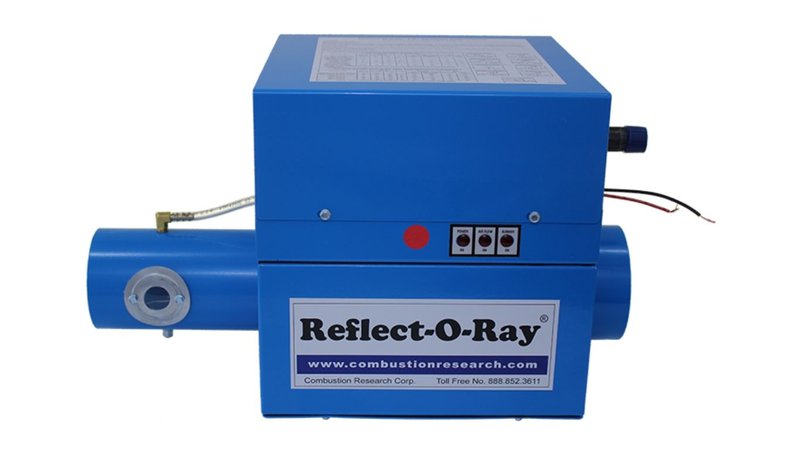
Both events occur on a rigid schedule dictated by livestock needs rather than human convenience. Therefore, installing barn heaters for animals near a busy feed alley or bedding storage bay guarantees heavy dust exposure. Fortunately, sealed combustion loops and filter-free configurations tolerate this environmental demand without experiencing thermal degradation over time.
Sustaining Thermal Performance in Active Ag Environments
Most commercial agricultural facilities run heating equipment on thin margins for both capital expenditure and manual labor. Gas-fired appliances built for farming applications must survive high dust, corrosive ammonia vapors, and inconsistent maintenance checkups. This severe environment demands a completely different design brief than equipment manufactured for static office parks.
Indeed, maintaining a stable thermal footprint inside a brooder room or livestock barn requires constant operational readiness. Young animals lack the internal biology to regulate their own body temperatures effectively. Consequently, they depend on stable ambient warmth far more than mature livestock do. Adding a heating system that requires continuous human monitoring for fire risk introduces an unacceptable operational liability. Farms cannot afford to divert labor away from herd management to supervise problematic machinery.
Ultimately, a typical barn heater that fails due to heavy dust accumulation causes immediate downstream liabilities. It represents a broken maintenance asset that has stopped warming vulnerable animals. Therefore, uptime and physical asset safety amount to the exact same priority on a working livestock farm. This balance remains critical whether the building houses dairy cattle, poultry, swine, or young livestock.
Combustion Research’s regional technical specialists analyze the specific dust patterns and ventilation loads of barns in your territory. They provide helpful equipment specifications for new construction layouts or aging retrofit adjustments. Connect with us today so we can help evaluate your layout and share solutions.