

April 24, 2026
Choosing the right configuration for gas-fired radiant heaters is one of the most critical decisions in any commercial or industrial HVAC project. The difference between single-stage and dual-input systems extends beyond initial cost. It shapes long-term energy consumption, equipment lifespan, and occupant comfort. Understanding how each approach functions gives engineers and architects the foundation to make better specifications. Both configurations have clear strengths. The key is knowing which one fits the application.
How Single-Stage Gas-Fired Radiant Heaters Operate
Single-stage systems run at one fixed output level. When the thermostat calls for heat, the unit fires at full capacity. It shuts off completely once the setpoint is reached. This on/off cycle is mechanically simple and easy to maintain.
Gas-fired radiant heaters in single-stage configurations are a strong fit for spaces with consistent, predictable heating demands. Warehouses with steady occupancy and minimal temperature fluctuation are a prime example. Fewer mechanical components also lower upfront investment and simplify servicing. That said, these units tend to overcycle during mild weather. Frequent starts and stops diminish thermal efficiency and can accelerate wear on key components over time.
Dual-Input Gas-Fired Radiant Heaters: A More Flexible Option
Dual-input heaters operate at two distinct firing stages. A lower stage handles moderate conditions. The system escalates to full capacity only when the heating load requires it. This graduated response prevents the abrupt cycling that is common in single-stage units.

The advantage of this design becomes clearest under variable conditions. Running at low stage still keeps temperatures within a comfortable range while consuming less fuel. Dual-input configurations are particularly effective in climates with significant seasonal temperature variation. They also work well in facilities with shifting occupancy or multiple-use zones. In those environments, demand can fluctuate considerably throughout the day, and the system adjusts accordingly.
Dual-input systems often justify the higher upfront cost through reduced fuel consumption. This savings compounds significantly over multiple seasons of operation.
Efficiency Factors to Evaluate Before Specifying
Efficiency in radiant heating involves more than raw BTU output. Real-world performance depends on how well a system adapts to changing load conditions. For facilities investing in radiant tube heater systems, these factors should be part of every early-stage load analysis. Key considerations include:
- Cycling frequency: Excessive on/off switching causes heat loss during each startup and shutdown phase, lowering net thermal output.
- Load matching: A heater that adjusts its output to match true demand wastes less fuel than one that always fires at peak capacity.
- Zoning strategy: Dividing large spaces into independently controlled zones allows each area to respond to its own occupancy and load profile.
- Venting design: Properly engineered exhaust paths reduce flue losses in both staging types, which directly affects overall system-level efficiency.
Single-stage units deliver strong results when the design load closely matches actual demand throughout the day. Dual-input systems offer a wider operational range. They remain adaptable across a broader set of conditions without sacrificing heat delivery.
Matching Configuration to the Right Application
The best fit depends on the specific environment and usage schedule. Some practical guidelines:
- Single-stage units suit smaller spaces or facilities with stable, consistent heating loads.
- Dual-input heaters are better suited to large buildings with wide temperature swings or variable occupancy patterns.
- Agricultural structures with seasonal use can achieve notable fuel savings through dual-input staging.
- Facilities in colder climates generally benefit from the added flexibility of two-stage firing.

Engineers should also account for ceiling height, insulation quality, and air infiltration rates. These variables directly influence how frequently a system cycles. A thorough load calculation helps identify which configuration delivers the best value over the equipment's lifetime. Working with a manufacturer that offers application-specific engineering support makes this process more precise.
Finding the Right Radiant Heating System for Your Facility
Combustion Research Corporation has been manufacturing low-intensity infrared heating systems since 1952. Their product line spans both single-stage and dual-input configurations for industrial, commercial, and agricultural environments.
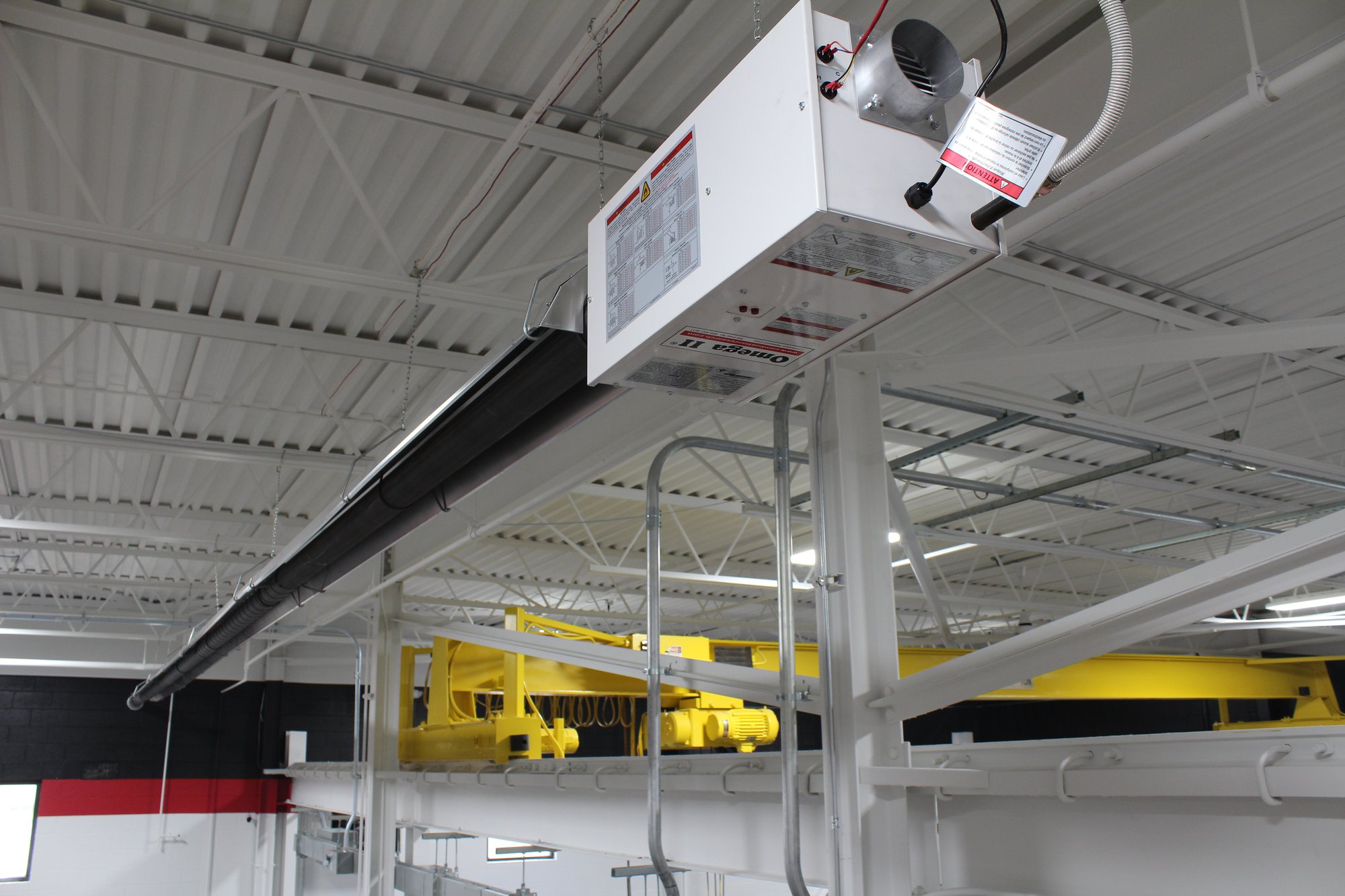
The Reflect-O-Ray engineered design systems and Omega II pre-engineered packages are built with optimum system performance in mind. This extends from initial installation through long-term operation and maintenance. Unlike many larger competitors, Combustion Research does not build in required maintenance items like filters or condensation-related tube failures. That keeps lifetime operating costs lower and minimizes unplanned service calls.
For engineers and architects specifying radiant heating for new construction or retrofit work, Combustion Research provides technical support. They help match the right system to your load requirements.Reach out to their team to get a recommendation aligned with your project scope and performance goals.