

August 7, 2026
Aging radiant tube systems rarely fail all at once. They degrade component by component, a burner control here, a section of tubing there. Eventually, a facility manager replaces enough radiant heat parts to ask whether a full retrofit would have made more sense. That's usually the right instinct. The more useful question is which specific components drive the efficiency gap between an old system and a current one.
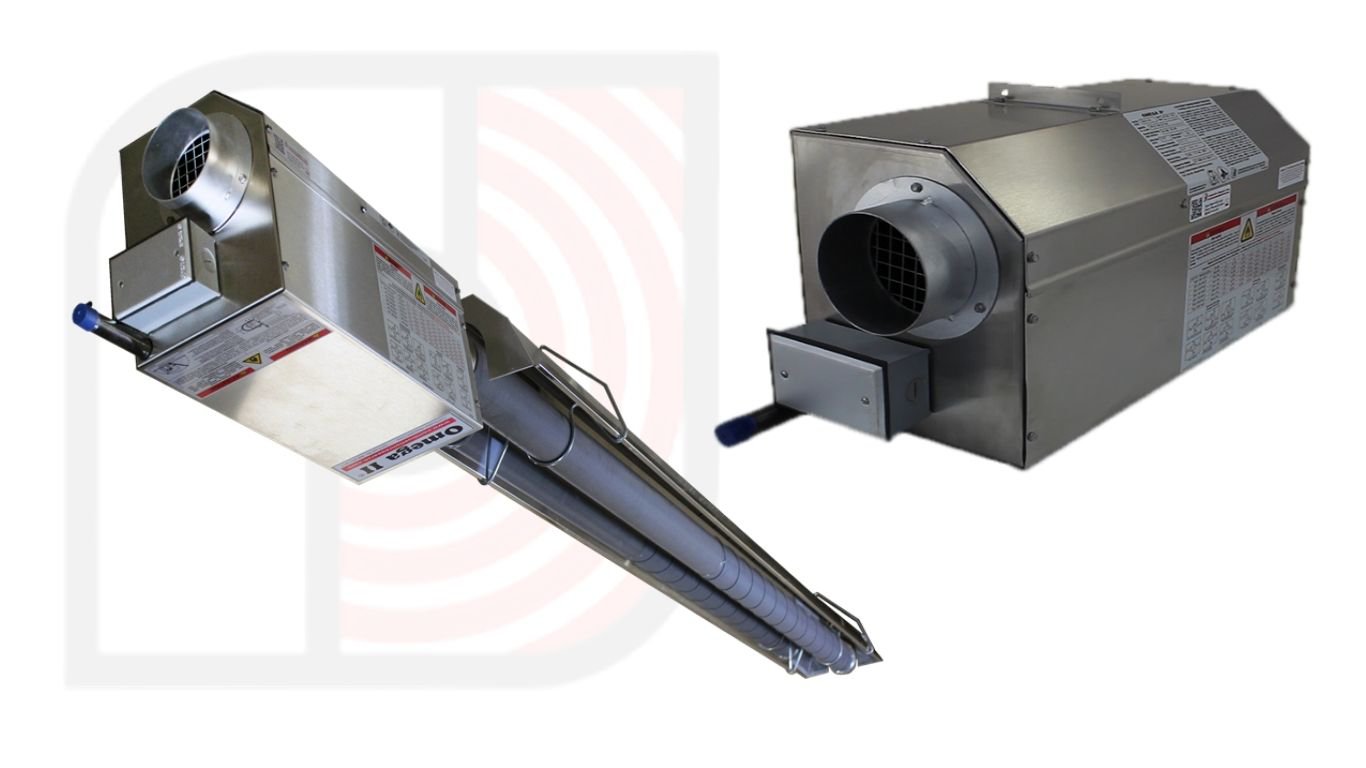
Tubing condition is the first thing worth evaluating, since it's the component most directly tied to both safety and output. Older systems running condensate-producing designs accumulate corrosion from the inside out over years of operation. Designs that chase maximum rather than optimum efficiency produce that condensate as a byproduct. The corrosion eventually compromises the tube long before the damage shows from the outside. A system reaching that point isn't a candidate for a single replacement part. It's a candidate for the dry tube design CRC engineers from the start. That design avoids producing condensate in the first place, rather than managing its corrosive effects after the fact.
What Federal Retrofit Guidance Gets Right About Radiant Heat Parts
Federal guidance on building retrofits treats renovation and refurbishment as a genuine opportunity to improve energy performance. The goal is upgrading a structure for its remaining operational life, not simply checking off a maintenance obligation.

That framing matters for industrial heating specifically. A facility manager evaluating a tired system has a stronger hand at the retrofit stage than at any other point. Years of operation have already revealed the building's actual heating loads, usage patterns, and problem areas. That knowledge makes specifying replacement equipment far more accurate than it was during original construction.
Industry efficiency programs consistently identify energy efficiency upgrades as the most cost-effective first step in any broader improvement plan. They prioritize those upgrades ahead of more capital-intensive changes. Facilities still running first-generation radiant tube equipment have a strong case for a full upgrade. Upgrading burner controls and tubing to current spiral low-mass designs often delivers faster payback than almost any other capital improvement. The original equipment never came to market with the same BTU-to-tube-length efficiency standards.
Pricing Out Radiant Heat Parts Versus a Full System Retrofit
The math on a piecemeal repair versus a full retrofit isn't always obvious from the parts counter alone. A facility manager pricing out individual radiant heat parts often underestimates how those costs compound season after season. A burner control here, a length of tubing there, and the repair spend accumulates without actually fixing the underlying problem. The accurate comparison measures a full upgrade against the building's fuel and maintenance spend over the system's remaining service life.
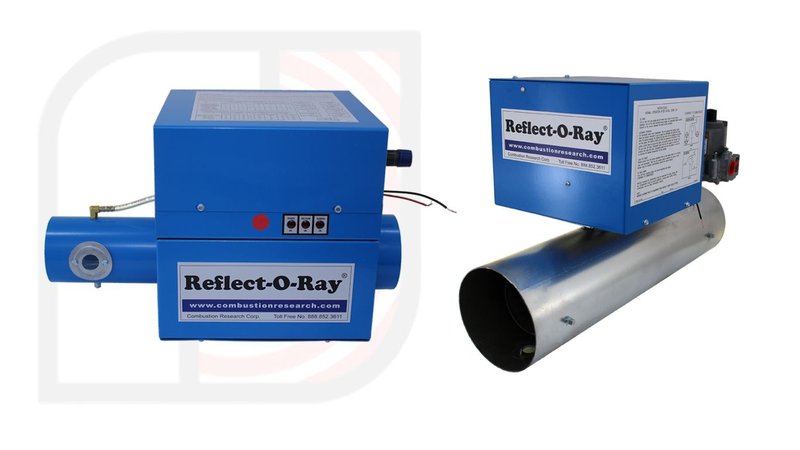
The order of evaluation matters too. Replacing tubing on a system still running outdated burner controls solves only half the efficiency gap. The controls govern how precisely the system modulates output to match actual load. A facility that sequences tubing before controls, simply because tubing failed first, often ends up paying for two separate projects. A single coordinated upgrade would have cost less overall and delivered the full efficiency gain immediately.
Component-Level Upgrades Worth Prioritizing
Burner controls represent the second-highest-value upgrade in most retrofits. Current systems carry a three-year burner control warranty and a ten-year radiant tube warranty. CRC engineers and tests every component to hold up over that span, a standard that older equipment rarely meets. Replacing controls in isolation on an aging system captures some of that reliability. Pairing the upgrade with current tubing is what actually closes the efficiency gap.
Filter elimination is the third piece worth prioritizing, particularly in facilities where filter maintenance has historically been inconsistent. A retrofit that removes the filter dependency entirely takes nuisance shutdowns and service calls off the maintenance schedule. That's an entire category of recurring maintenance the system no longer needs.
Retrofitting a tired radiant system rarely comes down to a single failed part. It's an opportunity to replace the components that limited performance from the start with engineering that meets current standards. If you’re managing a facility that’s considering a full retrofit over piecemeal repairs, contact us today. We’ll be glad to assist you in getting the right configurations.