

September 14, 2026
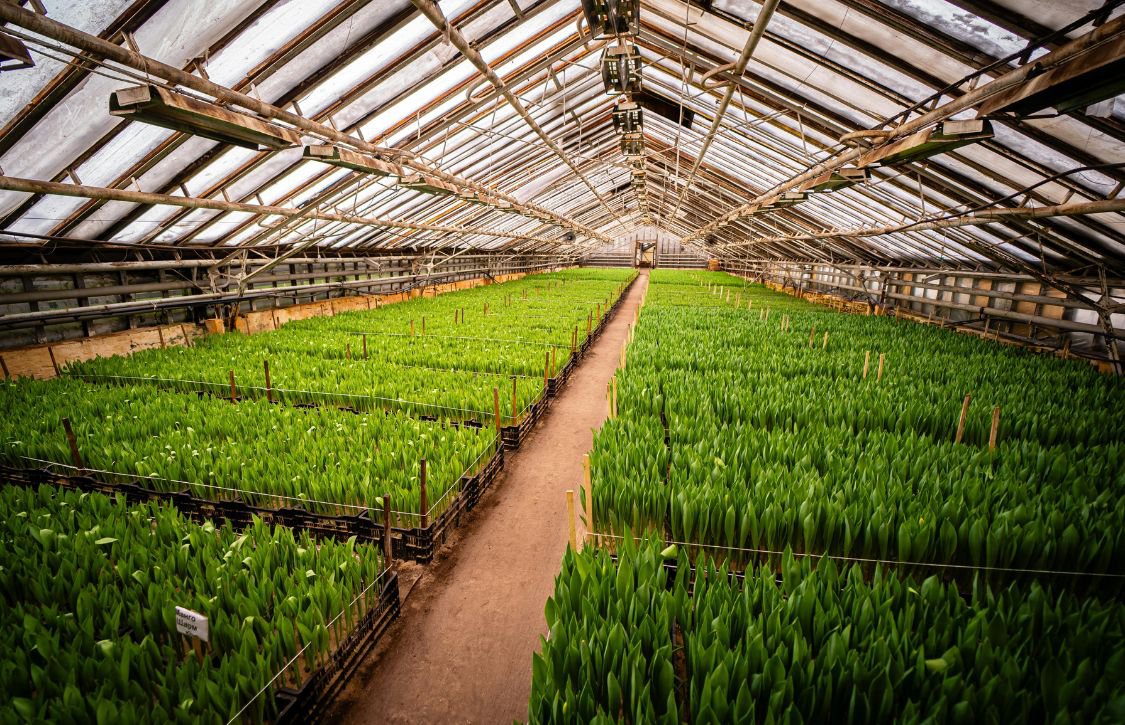
Greenhouses trap heat and moisture together, creating conditions plants both need and fear. An infrared greenhouse heater changes how that moisture behaves throughout the growing space. You get warmer plants and drier leaves without fighting the humidity constantly all season.
Growers often blame ventilation alone when condensation keeps forming on leaves and glazing. Heating method plays just as large a role in humidity as airflow does. The sections below explain why infrared heat changes the humidity equation for growers.
Why Humidity Is Hard to Control in Greenhouses
Plants constantly release moisture into the air through a process called transpiration daily. Warm air holds far more moisture than cold air ever realistically can hold. As nighttime temperatures drop, that extra moisture has nowhere reasonable left to go. Humidity levels climb quickly once the sun sets and temperatures fall.
Cold glazing and structural surfaces often sit well below the air's dew point. Moisture condenses on those surfaces first, dripping down onto plants and growing media. Single-layer poly houses lose heat faster than double-poly or glass structures of the same footprint. That heat loss makes glazing surfaces even more prone to condensation overnight.
Condensation on leaves creates ideal conditions for fungal disease, including botrytis and mildew. Growers lose entire crops some seasons simply from moisture management mistakes gone unnoticed. Forced-air heating and ventilation alone often cannot solve this problem completely on their own. The root cause stays untouched because the surfaces themselves remain cold.

Air movement helps somewhat by mixing warm and cool air throughout the greenhouse. Such mixing reduces temperature swings but does nothing for the cold surfaces themselves. An infrared heater solves this by warming surfaces directly, not just air. Therefore, growers get consistent temperatures and lower disease pressure across the entire crop.
How an Infrared Greenhouse Heater Reduces Condensation
An infrared greenhouse heater warms plant surfaces, benches, and growing media without heating the air first. Radiant energy, detailed further in this infrared greenhouse heater case study, raises surface temperature above the dew point. Condensation cannot form once every surface stays warmer than the surrounding air's dew point.
What Makes an Infrared Greenhouse Heater Different?
An infrared greenhouse heater differs from forced-air systems by skipping the air entirely. It sends radiant energy straight to plant leaves, benches, and the growing floor. Targeted warmth like this keeps disease-friendly condensation from ever forming on plant surfaces.
Growers using infrared heat report noticeably lower disease pressure across their growing operations. Fewer wet leaves mean fewer outbreaks of botrytis, mildew, and other fungal problems. Healthier plants also grow faster and produce stronger yields across the entire season.
Meanwhile, infrared heat avoids the drafts that forced-air systems create inside a greenhouse. Fewer drafts mean less transpiration stress on delicate seedlings throughout early growth stages.
Growers also save on energy since infrared heats plants, not the whole building. Lower energy costs matter greatly across a long, cold growing season each year. As a result, growers see both healthier crops and lower operating costs together.
Comparing Forced-Air and Infrared Heating for Crop Health
An infrared greenhouse heater outperforms forced-air systems, which remain common despite well-documented humidity drawbacks. Such systems heat air quickly but leave plant and structural surfaces relatively cold. Infrared systems instead target the surfaces where condensation and disease actually begin forming.
Forced-air fans also create drafts that stress plants and increase water loss through the leaves. Infrared systems avoid this stress since they do not rely on moving air. Plants under infrared heat often show steadier growth with fewer setbacks throughout the season.
| Factor | Forced-Air Heating | Infrared Radiant Heating |
|---|---|---|
| Surface temperature | Stays cold, invites condensation | Raised directly, resists condensation |
| Air movement | Creates drafts, stresses plants | No forced air movement |
| Disease pressure | Higher, more leaf wetness | Lower, drier leaf surfaces |
Meanwhile, energy use often runs lower with infrared since less air needs heating. Growers frequently report fuel savings, a trend documented in this radiant heat efficiency data, after switching to infrared.
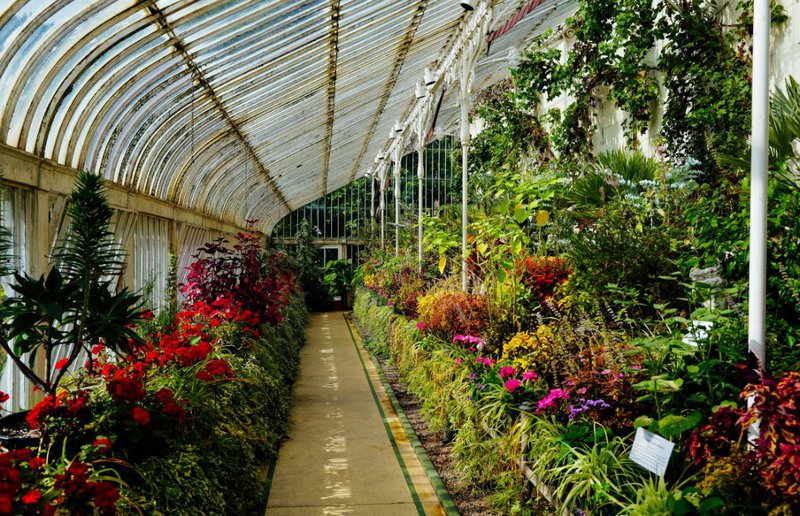
Larger operations often combine both systems for ventilation and targeted surface warming in colder regions. The right mix depends on crop type, structure size, and local climate conditions. For example, high-value specialty crops often justify the switch to full infrared heating.
Infrared Greenhouse Heater Options
Sourcing an infrared greenhouse heater starts with a heat loss calculation. Glazing type, frame material, and structure age all affect total heat loss significantly. A single-layer poly house loses heat far faster than a double-poly structure does.
Ceiling height and bench layout also shape where heaters should be mounted for even coverage. Lower ceilings suit shorter tube lengths designed for benched crop operations close to the ground. Crop type also matters since some species tolerate temperature swings better than others.
Meanwhile, growers should also plan for uniform coverage across the entire growing area. Uneven heat distribution creates cold spots where condensation and disease still take hold.
When selecting an infrared greenhouse heater, growers typically review:
- Glazing type and building heat loss
- Ceiling height and bench layout
- Crop type and temperature sensitivity
- Local climate and typical humidity levels
CRC engineers can help you match tube length and output to your structure. Correct sizing keeps plants healthy without wasting fuel on unnecessary heating capacity throughout the season. Therefore, a proper heater protects both your crop and your operating budget over time.
An infrared greenhouse heater does far more than keep your growing space warm. It also protects your crop from condensation, disease, and unnecessary yield loss season after season. CRC engineers can help you design a system suited to your specific operation.
Our team supplies radiant heating systems for greenhouses growing many different crops. We can help you protect crop health while keeping energy costs under control. Contact CRC engineers today to choose the right infrared heater for your greenhouse operation.