

October 26, 2026
Correct clearance from combustible surfaces and stored materials forms the foundation of infrared heater safety. Every low-intensity radiant tube heater carries specific minimum distances from ceilings, walls, and stored goods. Ignoring those distances puts both your building and the people inside it at real risk.
Combustion Research builds clearance guidance directly into every product manual it ever publishes. Installers, architects, and facility managers all share responsibility for meeting these safety requirements. The sections below break down what those requirements mean in practical, everyday terms.
Understanding the Basics of Infrared Heater Safety
Federal construction standards address heater clearance directly for both temporary and permanent installations. Requirements for clearance and mounting specify minimum distances from combustible material for heating devices generally. Meeting those minimums protects against fire, scorching, and slow long-term material degradation over time.
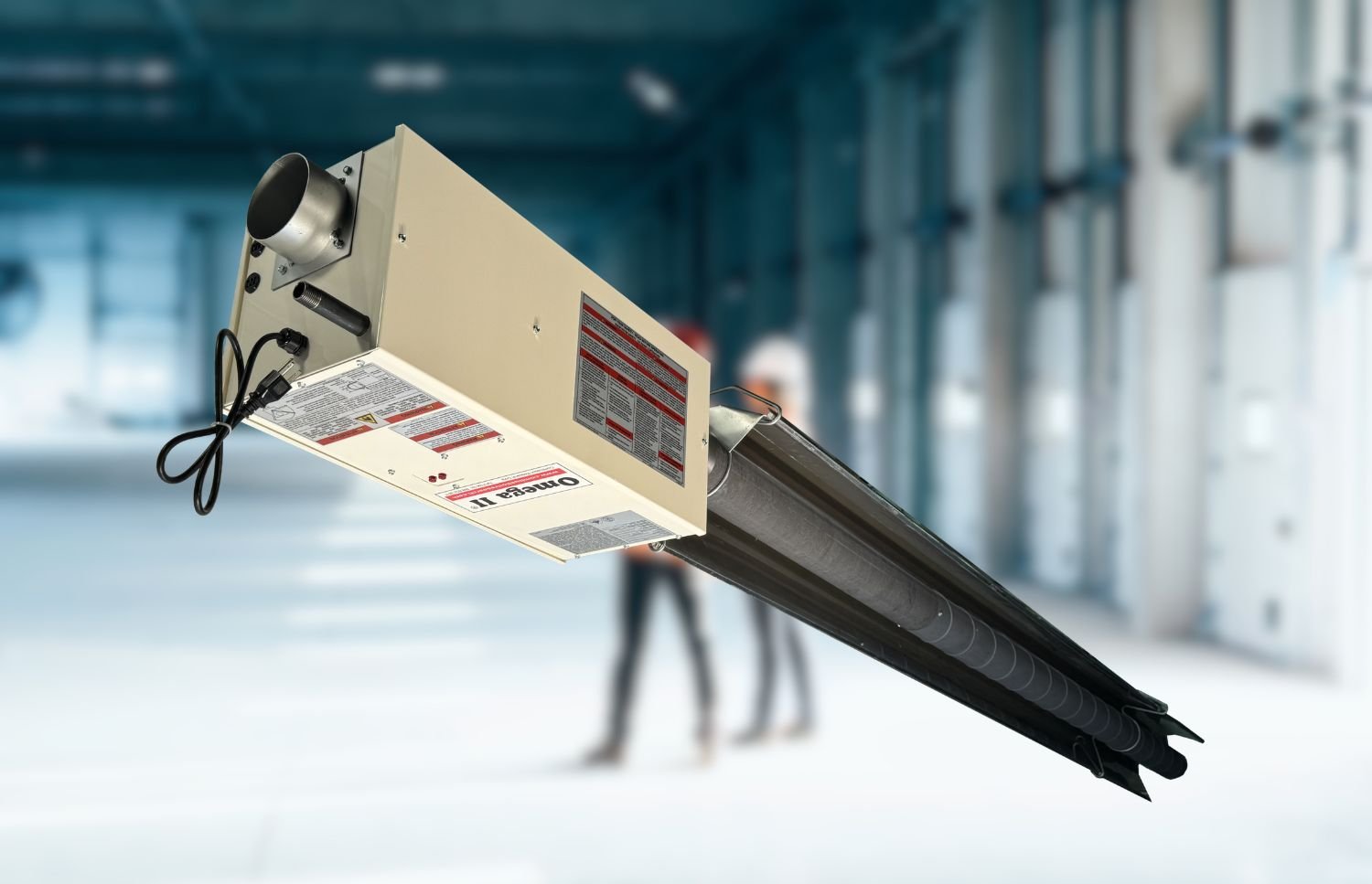
Radiant tube heaters emit concentrated infrared energy along their entire visible tube length. As a result, materials directly beneath or beside that path can heat up even without any visible flame. Correct clearance keeps that concentrated energy focused on the intended floor area instead.
Still, manufacturer specifications always take precedence over generic clearance rules whenever the two differ. The Air-Conditioning, Heating, and Refrigeration Institute publishes detailed guidance on installing gas-fired infrared equipment safely. Combustion Research designs every product manual around exactly this kind of documented standard.
What Clearance Does a Low-Intensity Radiant Tube Heater Need?
Clearance requirements vary by heater output, mounting angle, and the specific model installed. Most low-intensity tube heaters need several feet of vertical clearance from combustible ceiling materials. Always confirm the exact figure in your specific unit's installation manual before mounting anything.
Common Infrared Heater Safety Mistakes to Avoid
Storage creep represents one of the most common infrared heater safety problems in warehouses. Over time, pallets and inventory slowly encroach on clearance zones as storage needs grow. Marking clearance boundaries on the floor helps staff avoid this gradual, easy mistake.
Retrofitted buildings present another common risk during any heating equipment upgrade project today. Older structures sometimes have ceiling heights that barely meet minimum required clearance distances. Our guide to industrial heater clearance covers these retrofit challenges in more detail.
Improper venting also compromises infrared heater safety even when clearance itself looks correct. As a result, blocked or damaged vents can allow combustion byproducts to accumulate inside a building. Regular inspection of venting hardware should accompany any clearance review during routine maintenance. Dusty environments add yet another layer of risk that clearance alone cannot solve. Our safety breakdown of barn heaters and dust exposure explains this added agricultural risk.
Why Radiant Infrared Heating Remains a Safe Choice
Infrared heater safety concerns sometimes create hesitation among specifiers unfamiliar with the technology. In fact, properly installed radiant systems have a strong operating safety record across decades of industrial use. Our detailed piece on infrared heater myths and facts addresses common misconceptions directly.

Sealed combustion designs, in particular, keep exhaust gases fully separated from occupied indoor air. Separation like that matters enormously for indoor air quality inside enclosed industrial spaces. Learn more about why infrared heat rates among the safest indoor options available today. Static pressure imbalances can also affect venting performance in tightly sealed, modern buildings.
Building an Ongoing Infrared Heater Safety Routine
A one-time clearance check at installation is not enough to guarantee safety forever. Still, buildings change constantly as storage patterns shift and renovations move walls and equipment. Annual clearance and venting inspections catch problems long before they become genuine hazards.
Combustion Research trains dealers and contractors to check clearance during every routine service visit. A habit like that turns infrared heater safety into an ongoing practice rather than a one-time checkbox.
Ready to Review Your Infrared Heater Safety Setup?
Infrared heater safety depends on correct clearance, proper venting, and regular inspection over time. Combustion Research has engineered heating equipment and safety guidance in Michigan for decades. Our team can help you confirm every installation meets current clearance requirements fully.
We will walk through your building's clearance zones, venting, and inspection schedule together. Ultimately, getting these details right protects your people, your building, and your equipment investment. Contact us today to schedule a full infrared heater safety review very soon.