

October 23, 2026
Niche equipment no longer describes infrared tube heaters, which have quietly become a mainstream HVAC choice. Engineers now specify them for warehouses, plants, churches, and even retail spaces regularly. A real shift like that reflects genuine gains in efficiency, comfort, and equipment reliability.
Heating, Ventilation, and Air Conditioning (HVAC) design has focused for decades on moving conditioned air. Infrared tube heaters instead warm people and surfaces directly, skipping air distribution entirely. A difference this fundamental explains why the technology keeps gaining ground across the industry.
The Efficiency Case for Infrared Tube Heaters
Space heating, cooling, and water heating together account for roughly one-third of national building energy use. Federal building technology research treats that category as the largest single share of energy consumed in buildings today.
Reducing that footprint matters enormously to both facility budgets and broader climate goals. Infrared tube heaters address this footprint directly by eliminating duct losses almost entirely. Ductwork wastes a meaningful share of delivered heat through leaks and poor insulation.
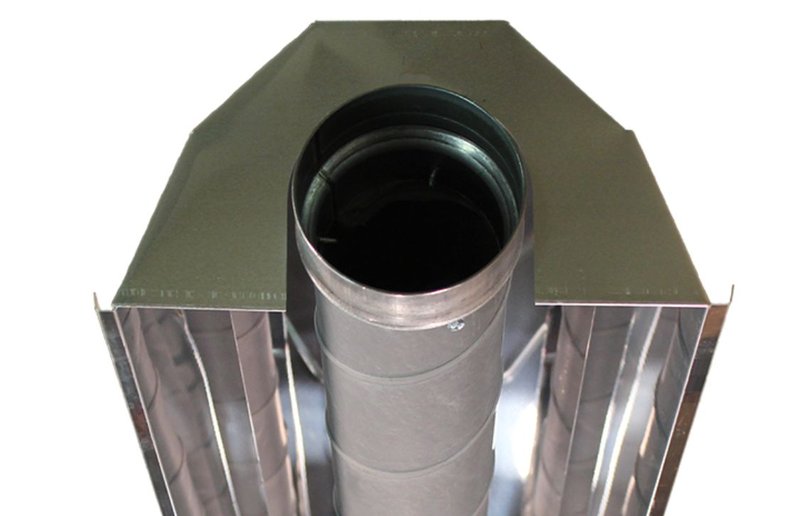
Radiant systems skip that distribution step and deliver heat straight to occupants and floors. Low-intensity infrared tube heaters typically cut fuel consumption by 30% to 50% versus forced-air setups. A gap this large grows even wider in buildings with high ceilings and frequent door traffic. Combustion Research has engineered this efficiency into its Reflect-O-Ray and Omega II product lines.
Why Are Engineers Choosing Infrared Tube Heaters Over Forced Air?
Engineers increasingly choose infrared tube heaters because they solve problems forced air cannot. Radiant systems avoid duct losses, reduce moving parts, and warm occupants even in drafty, high-volume spaces. They also cut long-term maintenance costs by removing filters and blower motors from the equation.
Engineering Advances Driving the Shift Toward Radiant
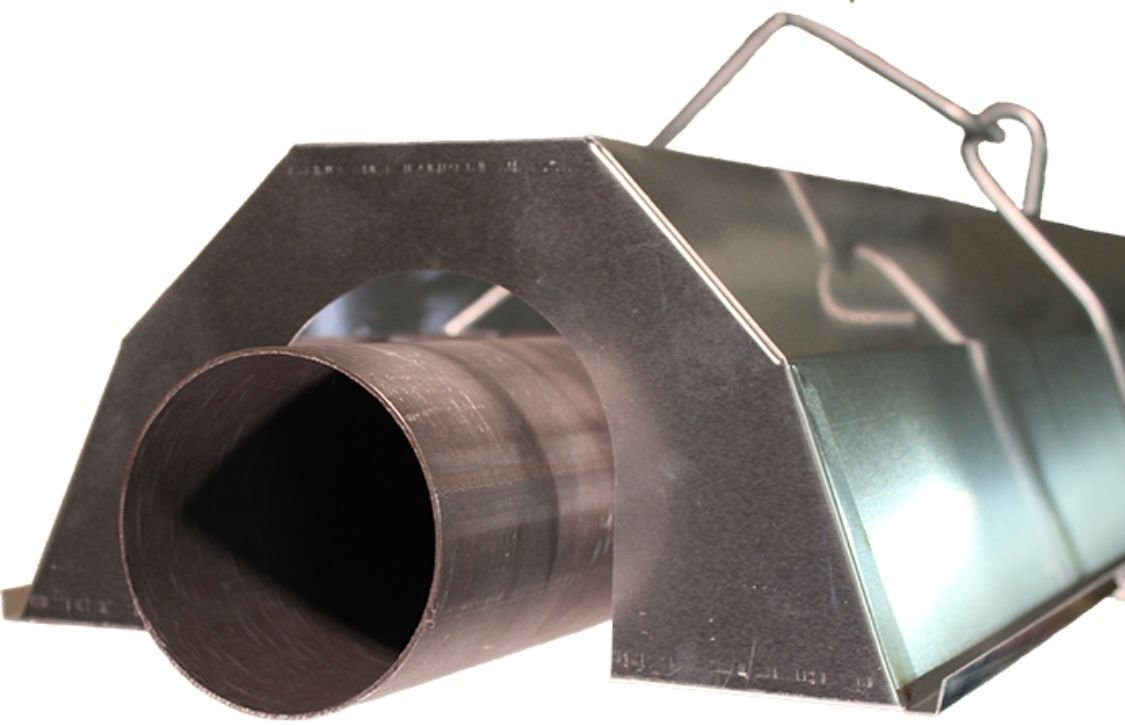
Modern infrared tube heaters look very different from the units built even twenty years ago. Combustion Research's patented spiral low-mass tubing heats up faster than older straight-tube designs. Heat-up speed like this means less energy wasted during startup on cold winter mornings across every season.
Learn more about this design in our piece on spiral tubing and heat recovery. Dry tube technology represents another meaningful step forward for long-term equipment reliability and durability. Systems that stay above the dew point avoid the corrosive condensation that shortens tube life considerably.
Forced-draft and vacuum-vented configurations have also matured considerably over recent years of development. Each configuration suits a different mix of building type, venting constraint, and fuel setup. Our comparison of forced-draft versus vacuum radiant systems covers the tradeoffs in detail.
Together, these advances make infrared tube heaters a far more flexible tool than ever before. Specifiers can now match equipment closely to a building's exact load and layout.
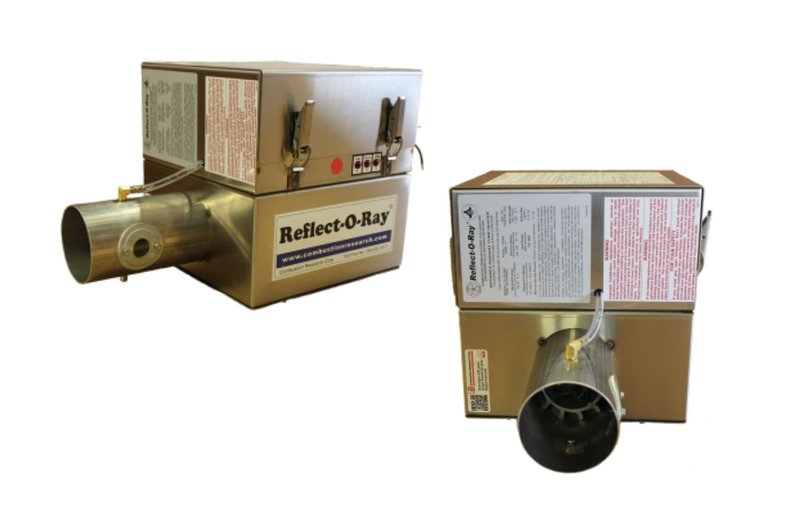
Domestic manufacturing also plays a real role in this ongoing shift toward radiant equipment. Combustion Research builds its systems in Michigan rather than relying on long overseas supply chains. An approach like that shortens lead times and gives engineers direct access to design support.
Where the Technology Is Headed Next
Infrared tube heaters will keep improving through incremental engineering rather than dramatic reinvention. Manufacturers continue refining burner design, tubing metallurgy, and reflector geometry for marginal efficiency gains. Small improvements like these compound significantly across a heater's typical multi-decade service life span.
Net-zero and electrification goals will also shape how engineers deploy infrared tube heaters going forward. Radiant systems already deliver strong fuel savings without requiring a full building envelope overhaul first. Progress like this makes them a practical near-term step toward broader sustainability targets. Combustion Research continues to invest in longevity, engineered for facilities that expect decades of service. Explore our full outlook in the future of infrared radiant heating for more detail on what comes next.
Simpler installation also helps the technology spread into new building types over time. Fewer moving parts mean fewer trades are needed to complete a typical installation job. Simplicity like this matters more every year as skilled trade labor grows harder to find.
Is an Infrared Tube Heater Right for Your Next Project?
Infrared tube heaters have earned their place as a serious HVAC alternative for good reason. The technology delivers real fuel savings, steady comfort, and far less required maintenance over time. Combustion Research has engineered this equipment in Michigan for more than seventy years.
Our team can help you evaluate whether infrared tube heaters fit your building and budget. We will walk through load calculations, fuel options, and equipment selection together with you. Reach out to us today to start planning your very next heating project.