

October 21, 2026
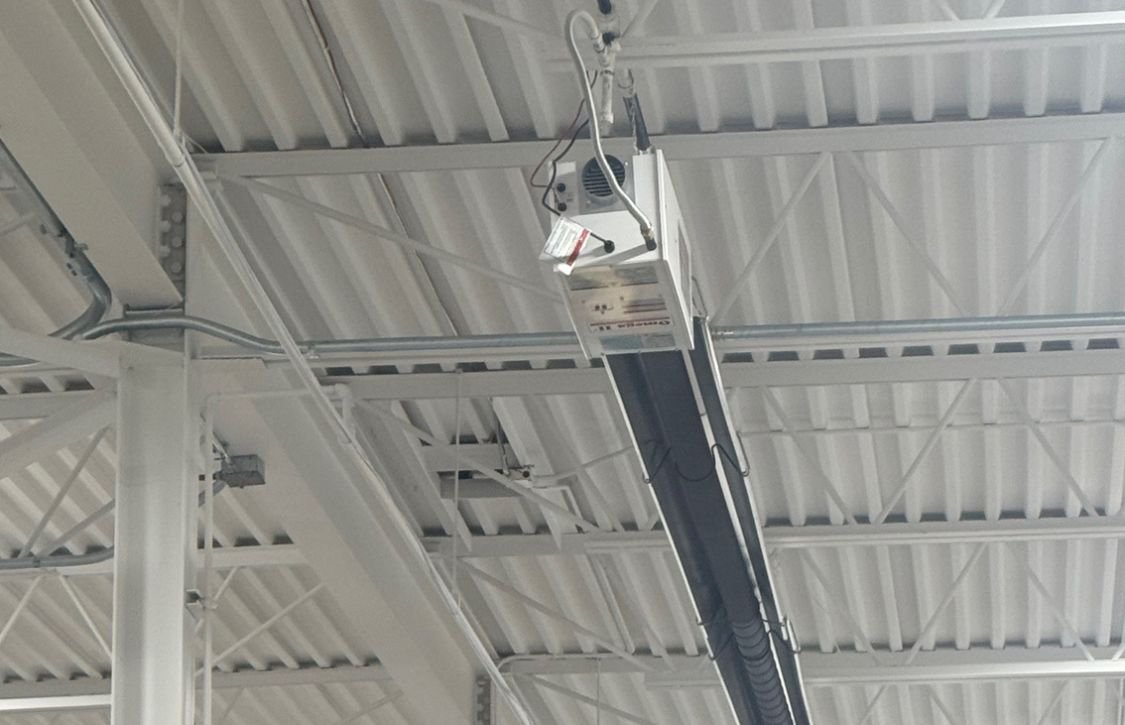
Heater clearance decisions shape comfort and fuel efficiency far more than most buyers expect. Mounting height, spacing, and aim all determine how evenly a space actually heats. Getting heater clearance wrong wastes fuel and leaves cold spots across the floor.
Combustion Research engineers spend as much time on placement guidance as on equipment design. Correct heater clearance protects both the equipment and everything below it from damage. The sections below walk through the placement decisions that make the biggest difference.
Why Heater Clearance Affects More Than Just Safety
Most buyers first hear about heater clearance in the context of fire codes and safety. Rules like those matter enormously, but clearance also drives how efficiently a system performs. Mounting height changes how far infrared energy travels before it reaches the floor.
Mount a tube heater too high, and energy spreads out before reaching its target zone. Mount it too low, and the heater covers a much smaller area than intended. Either way, that mistake forces a facility to buy more heaters than the space actually needs.
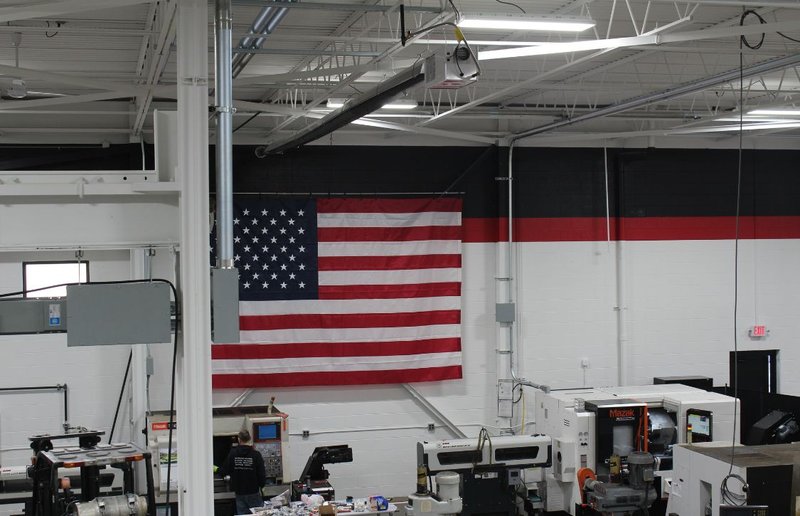
Similarly, spacing between units matters just as much as mounting height for overall coverage. Overlapping heat patterns waste fuel, while excessive gaps leave uncomfortable cold zones between units. Our detailed guide to industrial heater clearance and safety covers minimum code distances.
What Is the Ideal Mounting Height for a Radiant Tube Heater?
Most low-intensity radiant tube heaters perform best mounted between fourteen and twenty feet high. The exact figure depends on heater output, reflector angle, and the required floor coverage area. Typically, a qualified installer calculates this figure from your specific building drawings and layout.
How Reflector Angle Changes Effective Heater Clearance
Reflector angle works together with mounting height to determine where heat actually lands. A steep downward angle concentrates heat into a smaller, more intense floor area. In contrast, a shallower angle spreads that same output across a wider section of the floor.
Loading docks and open bay doors often need a more aggressive reflector angle. A steeper angle like that pushes heat toward the specific zone losing warmth to outside air. Our piece on loading dock heat loss explains this targeting approach in more detail.
Office areas and break rooms, by contrast, usually need gentler, more even coverage. Combustion Research engineers help specifiers choose the right angle for each zone every time. A zone-by-zone approach like this often beats a single blanket heating strategy for the whole building.
Getting reflector angle right the first time avoids expensive repositioning work after installation. Still, a brief mockup or lighting-style study can confirm coverage before crews mount anything permanently.
Meeting Code Requirements Without Sacrificing Performance
Combustible material clearance requirements exist for good reason around every fuel-fired heater you install. Federal construction standards specify minimum clearances for temporary and permanent heating devices alike. You can find the specific required numbers in our breakdown of infrared heater safety standards.
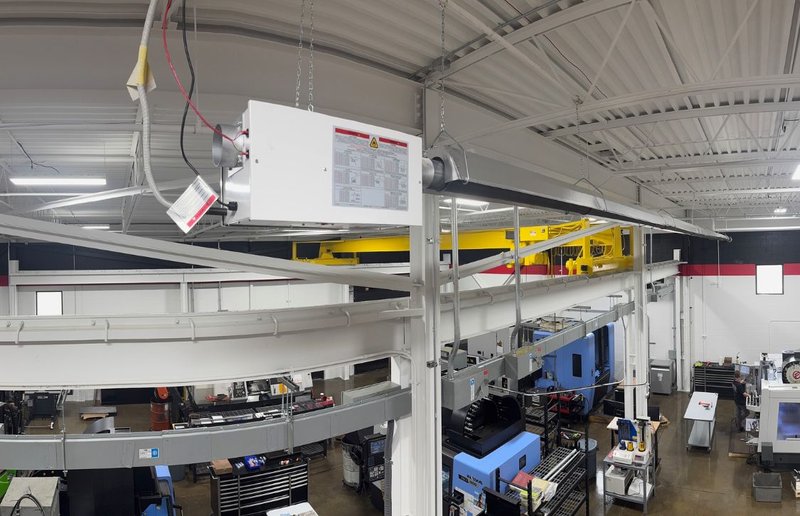
However, meeting those minimums does not mean you sacrifice heating performance across the rest of your building. Smart placement helps you find the balance between required clearance and reliable heat delivery. Combustion Research designs its Reflect-O-Ray systems to deliver strong performance even at code-minimum distances.
Before installation, walk your full facility to catch most placement mistakes before they cost you money. For example, ceiling obstructions, sprinkler heads, and structural beams can all force changes to your plan. Also, local inspectors sometimes interpret clearance codes differently, so confirm requirements with your jurisdiction early.
In addition, airflow around obstructions shapes heat distribution, as our guide on static pressure and HVAC safety explains. Combustion Research engineers review these details with your contractor, saving you time and fuel over the system's life.
Ready to Get Heater Clearance Right on Your Next Project?
Heater clearance decisions made early save real money across the life of any heating system. In fact, Combustion Research has engineered placement guidance alongside equipment design for over seventy years. Our team reviews drawings, ceiling heights, and floor plans before anything gets installed.
In turn, we will help you avoid the coverage gaps and code violations that plague rushed installs. Getting placement right the first time protects your comfort, budget, and safety alike. Contact us today to review your entire facility's complete heater clearance plan together.