

April 27, 2026
A cold garage is more than an inconvenience. It can halt weekend projects, put tools at risk, and leave a workspace unusable for months. Selecting the right heaters for garages affects comfort, energy bills, and how you actually use the space throughout the year. Gas, oil, and electric options each carry distinct trade-offs. Understanding those differences helps homeowners make a smarter, more informed decision.
Gas Heaters for Garages: Warmth Without Limits
Gas-powered units rank among the most effective solutions for large or drafty spaces. They operate on natural gas or propane, delivering strong heat output at a comparatively low operating cost.
Natural gas models connect to a permanent supply line, ensuring consistent fuel access. Propane units are more adaptable since they don't require a fixed connection. Both options heat an area rapidly, making them well-suited for attached garages or detached workshops where fast warm-up times matter.
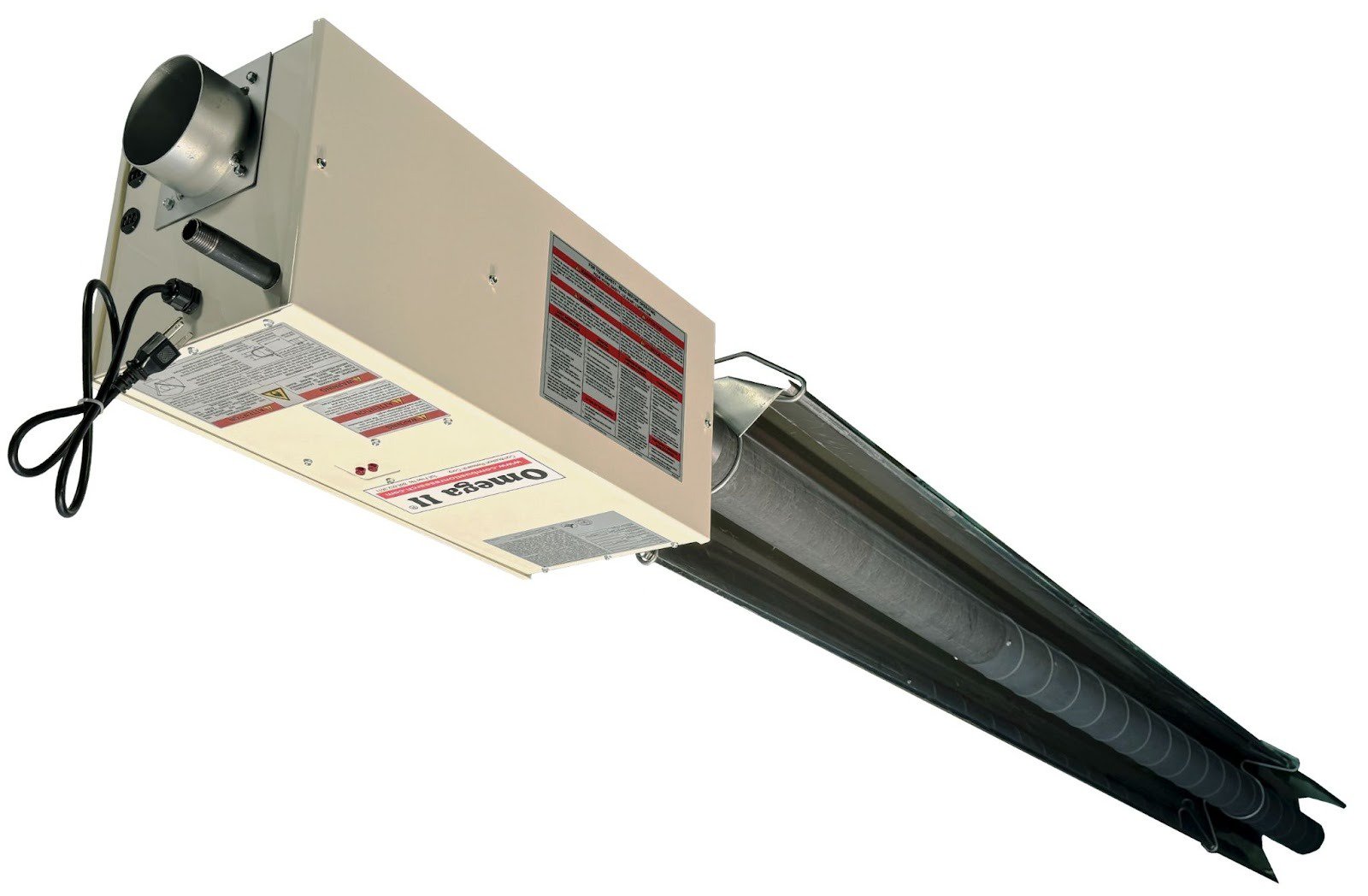
Infrared tube heaters are a standout category within gas heating. Rather than warming the air, they radiate heat directly toward surfaces and objects. This method limits heat loss from drafts or open doors. It also reduces dust circulation, which is a meaningful advantage in workshops where air quality is a concern.
Installation requires a licensed professional and proper venting. Long-term fuel savings, though, often outweigh those upfront expenses.
Oil-Filled Radiators: Portable but Position-Dependent
Oil-filled electric radiators are a familiar sight in smaller garages. They use electricity to heat sealed oil within the unit, which then radiates warmth into the surrounding environment. No open flames or external fuel storage is needed.

Setup is straightforward. Simply plug the unit into a standard outlet and position it where needed. That ease of use makes these radiators appealing for occasional or seasonal heating.
Performance, however, is limited. Oil radiators function best in compact, well-insulated spaces. In a typical two-car garage with minimal insulation, they often fall short during cold snaps. Warm-up times are also longer than what gas-powered alternatives can deliver.
Running costs can climb quickly as well. Electricity rates differ across regions, but sustained operation in cold climates can make oil radiators one of the pricier choices over a full heating season.
Electric Heaters for Garages: Simple Setup, Steeper Costs
Electric heaters for garages cover a broad range of products, from baseboard units to ceiling-mounted models. The primary advantage is accessibility. Most require only a dedicated circuit, and the installation process is far less involved than that of a gas system.
These units produce no combustion byproducts, so ventilation requirements are minimal. For a small workshop or single-car garage, an electric model can be a practical and safe choice.
The central drawback is ongoing expenditure. Electricity costs significantly more per BTU than natural gas in most U.S. regions. A unit with a lower purchase price may generate considerably higher monthly bills over time.

Ceiling-mounted electric units outperform portable ones. They distribute heat more evenly and keep the floor area clear. Even so, larger or poorly insulated garages often demand more heating capacity than electric systems can reasonably provide.
Choosing the Right Fuel Type: Key Factors to Weigh
The optimal choice depends on your specific circumstances. A few considerations can help narrow the decision:
- Garage size: Gas heating scales well for large workshops; electric models are better suited for smaller, well-insulated areas.
- Usage frequency: Occasional users may find a portable electric unit sufficient; regular users benefit more from a permanent gas installation.
- Fuel access: Natural gas requires a supply line; propane and electric are more flexible where gas service is unavailable.
- Long-term budget: Gas carries higher upfront setup costs but lower operational bills; electric tends to work in reverse.
Oil-filled radiators are best reserved for supplemental or short-term use. They rarely hold up as a primary heating source in colder climates.
Ready to Heat Smarter? Combustion Research Can Help
For homeowners seeking dependable, energy-efficient performance, infrared tube heating stands out as one of the most capable approaches available. Combustion Research Corporation, based in Rochester Hills, Michigan, has manufactured low-intensity infrared heating systems for over 50 years.
Their Reflect-O-Ray® Engineered Design Systems and Omega II® Pre-Engineered Packages are purpose-built to minimize energy waste while maintaining consistent warmth. These systems tackle common garage heating challenges, including dust circulation and uncomfortable drafts. The Serengeti-IR™ and Synergy® product lines offer targeted solutions for spaces with unique layouts or square footage requirements.
Whether outfitting a workshop or converting a multi-car garage, a properly designed infrared system delivers reliable warmth at lower operating costs. Talk to the Combustion Research team to find the right fit for your project.