

October 9, 2026
Every specifier eventually faces the convection vs radiant heat debate when planning a large commercial space. Convection systems heat air first, then rely on that air to warm people and surfaces around it. Radiant heat skips that step entirely and warms bodies, tools, and floors on direct contact.
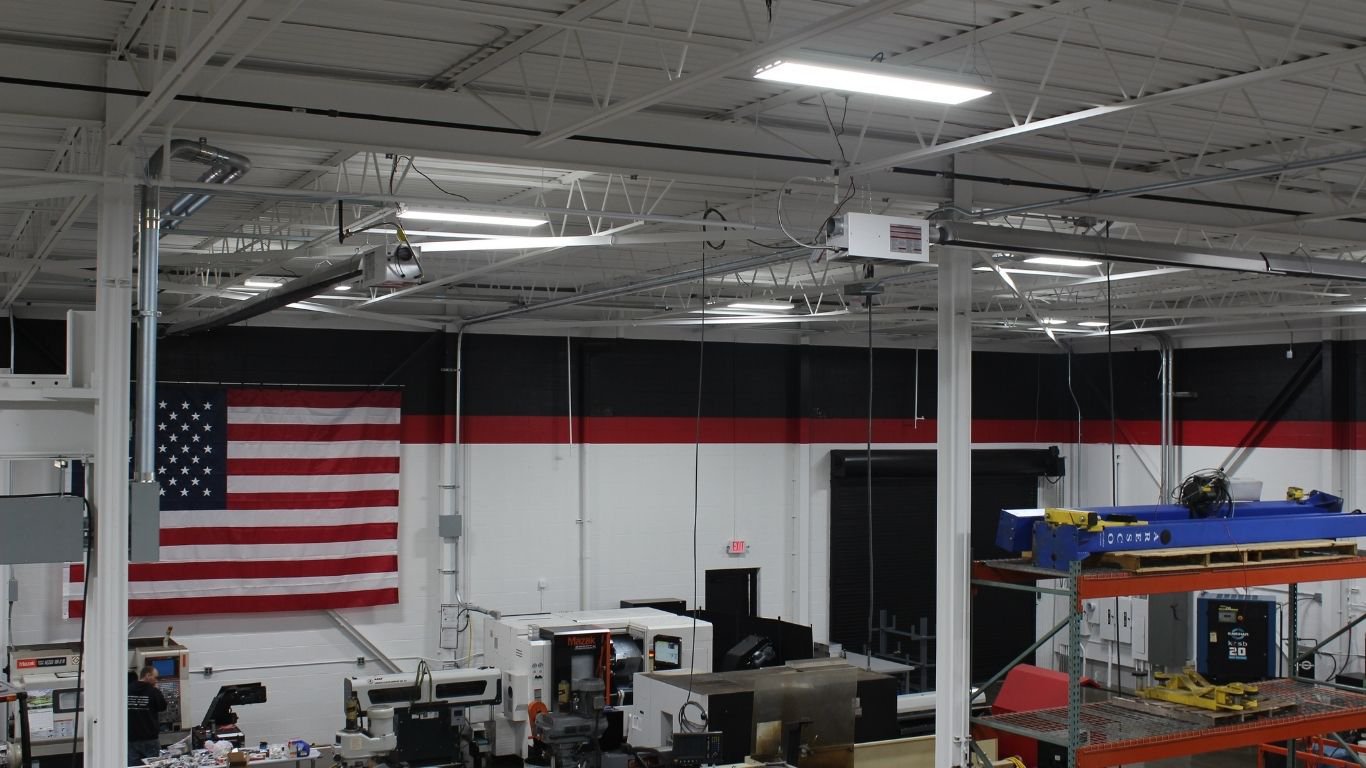
You feel the difference the moment you walk into a radiant-heated warehouse in January. Forced-air convection units cycle on and off, creating drafts and pockets of uneven temperature. Radiant tube heaters instead deliver steady warmth straight to the people and equipment below them.
Convection Vs Radiant Heat: How Airflow Shapes Comfort
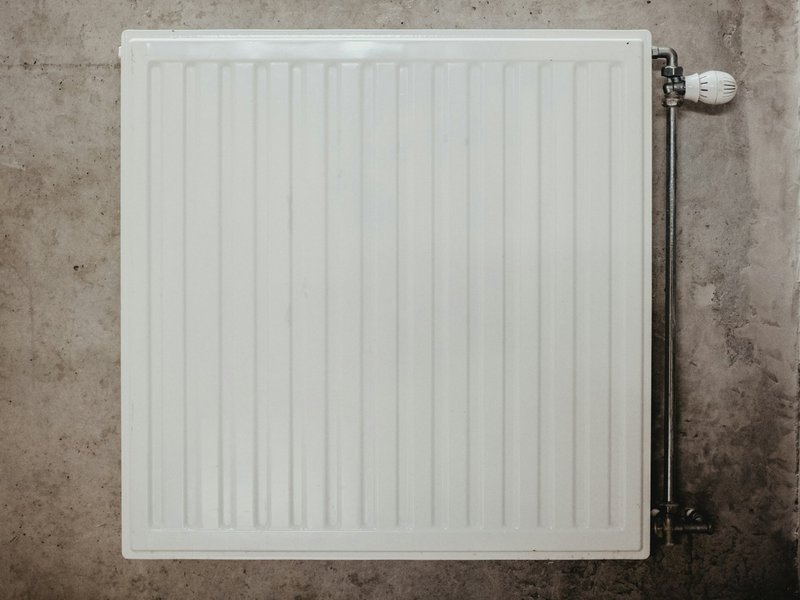
Convection vs radiant heat comparisons usually start with how each system moves thermal energy. A convection unit warms the surrounding air, and fans or natural currents push that warm air across the room. Radiant emitters send infrared energy directly outward, warming anything solid that sits in its path.
Air movement carries heat loss upward toward high ceilings in most warehouse buildings. Radiant systems avoid that loss because they never need to heat the air mass first. Facility managers notice the payoff first at the loading dock doors and open bays. Cold air pours in constantly, yet radiant heat keeps surfaces and workers warm regardless. Convection systems struggle here because incoming cold air dilutes the warm air they just produced. Facilities pay for this battle through higher fuel bills across an entire heating season.
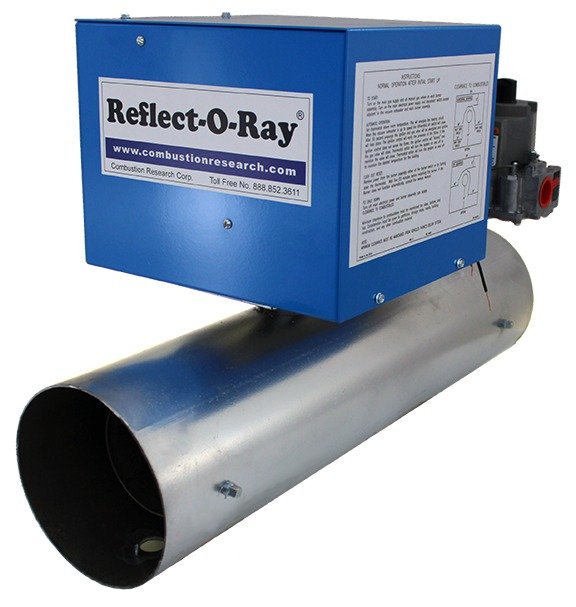
Combustion Research Corporation has built low-intensity radiant tube heaters in Michigan since 1952. Every design decision aims at one goal: even warmth without the drafts convection produces. Specifiers increasingly default to radiant heat over convection because of this comfort advantage.
Why Whole-Body Comfort Depends on Surface Temperature
Comfort research measures far more than the simple thermostat reading behind most convection vs radiant heat debates. Mean radiant temperature, the average surface temperature surrounding a person, drives how warm someone truly feels. A cold floor or a chilly wall can make a warm room feel uncomfortable despite an accurate air reading.
Convection Vs Radiant Heat: Which One Actually Feels Warmer?
Radiant heat feels warmer at a lower air temperature than convection heat requires for equal comfort. Occupants in radiant-heated spaces report comfort at noticeably lower air temperatures than convection setpoints require. Lower setpoints cut fuel use while keeping workers just as comfortable throughout a full shift.
| Factor | Radiant Heat | Convection Heat |
|---|---|---|
| Heat transfer method | Skin and clothing absorb infrared energy directly | Air must warm first before people feel any change |
| Response speed | Reaches workers the moment the burner hits operating temperature | Needs time to circulate before anyone notices a difference |
| Comfort at lower setpoints | Comfortable at noticeably lower air temperatures | Requires a higher air temperature for the same comfort |
| High-ceiling industrial spaces | Warms the floor, machinery, and workers at the same time | Lag grows worse as ceiling height increases |
| Shift startup performance | Delivers immediate warmth during early morning startups | Circulation delay slows the benefit for floor workers |
Plant managers running multiple shifts value this immediate response most during early morning startups. A forced-air system needs time to circulate before employees on the floor feel any benefit. Explore how Combustion Research engineers this response speed in our guide to how infrared heaters work.
Comparing Long-Term Costs: Convection Vs Radiant Heat
Utility bills tell the real story in any long-term convection vs radiant heat comparison. Radiant systems typically cut fuel consumption by 30% to 50% compared with forced-air setups. The gap grows even larger in buildings with high ceilings and frequent door openings.
| Factor | Radiant Heat | Convection Heat |
|---|---|---|
| Fuel consumption | Cuts fuel use by 30% to 50% versus forced-air setups | Higher fuel use, especially with high ceilings or frequent door openings |
| Maintenance | Tube heaters skip filters and condensation-prone parts | Fans, filters, and ductwork all wear down over time |
| Ductwork | No distribution network needed; emitters mount directly above the workspace | Requires miles of sheet metal for air distribution |
| Installation savings | Facilities skip ductwork installation entirely | Ductwork adds cost and complexity to installation |
| Payback period | Lands inside the first two to three heating seasons for most retrofits | Longer payback given higher fuel and maintenance costs |
Learn more about the trade-offs in our breakdown of gas-fired unit heater efficiency for farms and plants. Payback speeds up further in facilities running multiple shifts across a full calendar year.
When Convection Heating Still Fits the Job
Convection heat still wins some rounds of the convection vs radiant heat debate. Small, well-insulated offices with standard ceiling heights rarely justify a full radiant retrofit. Existing ductwork already in good condition can also make convection the more practical near-term choice.
Rapid air changes matter more than radiant comfort in a few specialized environments too. Cleanrooms and labs often need forced ventilation for filtration rather than pure warmth delivery. Convection equipment handles that filtration role in ways radiant emitters were never designed for.
Most commercial and industrial buildings, though, fit the profile where radiant heat wins outright. High bays, loading docks, and open-plan warehouses all favor direct radiant delivery over air-based systems. Agricultural buildings with frequent door traffic see similarly strong results from radiant installations. Facilities teams weighing both technologies should map their building envelope and occupancy pattern first. A careful mapping step, more than any brochure claim, decides which system earns its keep.
Ready to Compare Convection and Radiant Heat for Your Facility?
Choosing between convection and radiant heat shapes comfort, fuel costs, and maintenance for decades ahead. Every building carries its own ceiling height, occupancy pattern, and door traffic to weigh carefully. Combustion Research has guided engineers through that exact decision for more than seventy years.
Our team reviews building drawings, occupancy schedules, and fuel history before recommending any system. The review gives you a clear, honest comparison instead of a generic sales pitch. Reach out to our team today to find the right radiant solution for your space.