

September 30, 2026
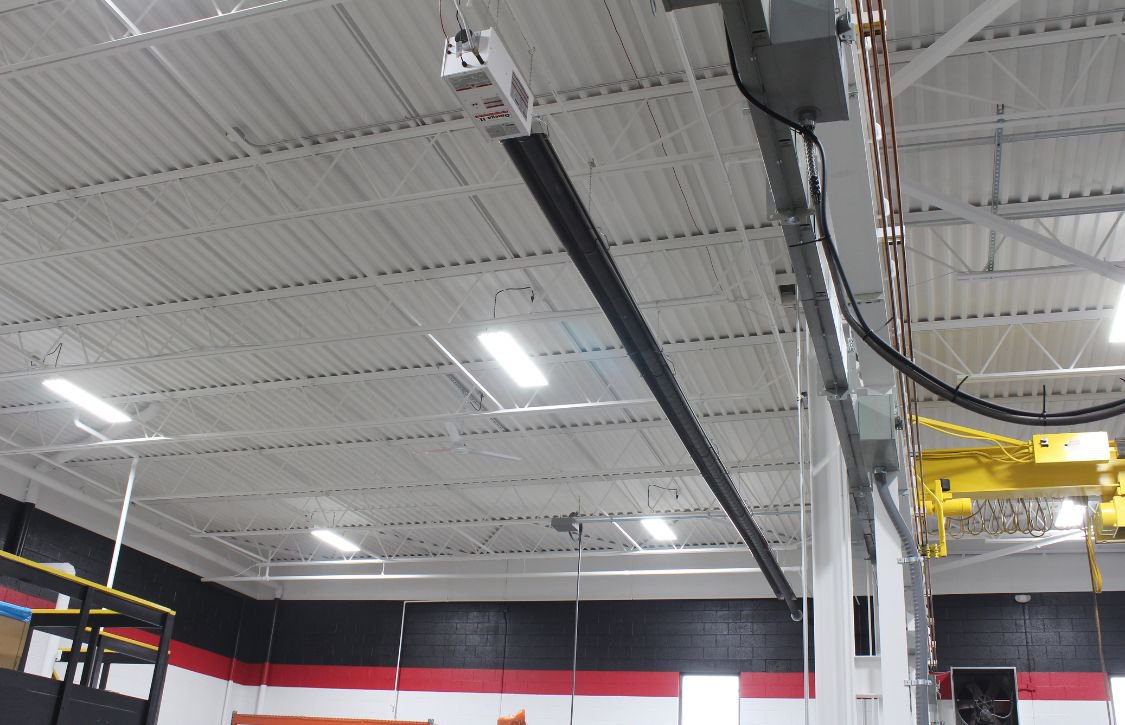
Radiant tube heaters rely on a venting method to remove combustion gases safely. Draft-induced systems pull those gases through the tube using negative pressure instead of pushing them. You gain real technical advantages from this approach, especially in demanding industrial buildings.
Engineers often default to whatever venting method a supplier mentions first during quoting. A rushed default choice can cost you efficiency, flexibility, and long-term reliability down the road. The sections below break down why draft-induced design earns a closer technical look.
How Draft-Induced Systems Move Combustion Gases
Draft-induced systems use a fan or vacuum pump positioned at the far end of the tube. The pump pulls combustion gases through the entire tube length under constant negative pressure. The pulling action elongates the flame and spreads heat evenly along the tube. This design gives engineers more control over flame shape and overall heat distribution.
The burner sits at the opposite end, away from the exhaust point entirely. This layout keeps combustion air intake separate from the negative pressure zone downstream. Separating these zones reduces the chance of exhaust gases recirculating back into the burner area. You gain a cleaner, more predictable combustion process as a direct result.
Draft-induced venting differs from push-through designs that use positive pressure instead of vacuum. Positive pressure systems push exhaust gases outward from a burner positioned near the vent inlet. Each approach carries different tradeoffs for efficiency, safety, and installation flexibility on-site. Draft-induced systems often handle longer vent runs with less risk of gas leakage, as explained in this overhead radiant tube heater guide.
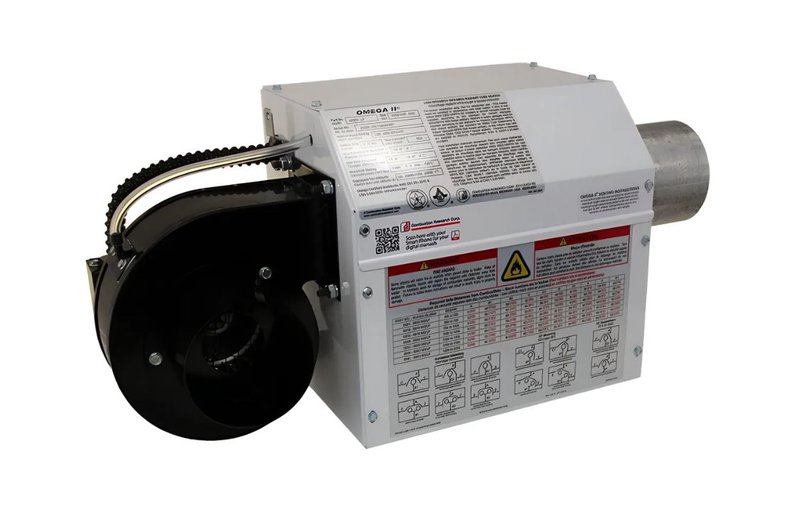
Engineers choose between these approaches based on building layout and available venting constraints. Draft-induced systems often work better when vent runs need to travel farther distances. Facilities with tighter clearances or complex rooflines also benefit from this added flexibility. Therefore, the right choice depends heavily on your specific building and site conditions.
Why Negative Pressure Improves Radiant Heating Performance
Negative pressure inside the tube pulls the flame farther along its entire length. A longer flame spreads combustion heat more evenly across the full radiant surface. Even heat distribution improves comfort for workers standing anywhere beneath the tube run.
Draft-induced means a fan or vacuum pump actively pulls combustion gases through the tube. The system operates under negative pressure rather than relying on natural chimney draft. Engineers favor this method for its efficiency, safety, and flexible venting arrangement options.
Negative pressure also improves overall combustion safety compared to positive pressure designs in most facilities. Any small leak in the tube draws air inward rather than releasing exhaust gases. The behavior reduces the risk of combustion byproducts escaping into the occupied space.
Meanwhile, draft-induced systems also tolerate longer vent runs than many alternative designs on the market. Longer runs mean fewer roof or wall penetrations needed across a large facility. Fewer penetrations reduce both installation cost and long-term risk of roof leaks developing over time. Facility owners appreciate this benefit, a topic covered in this suspended tube radiant heat guide. As a result, draft-induced venting often reduces total installation cost across large projects.
Technical Advantages of Draft-Induced Venting Design
Draft-induced venting offers several measurable advantages over traditional designs used across the industry. Higher radiant efficiency tops the list because the flame spreads farther along the tube. Improved safety follows closely, since leaks pull air in instead of pushing gas out.
Extended vent run capability rounds out the core technical benefits of this design. Facilities with limited roof access, as described in this infrared heater overview, benefit enormously. The table below compares draft-induced and positive pressure systems across key factors engineers consider.
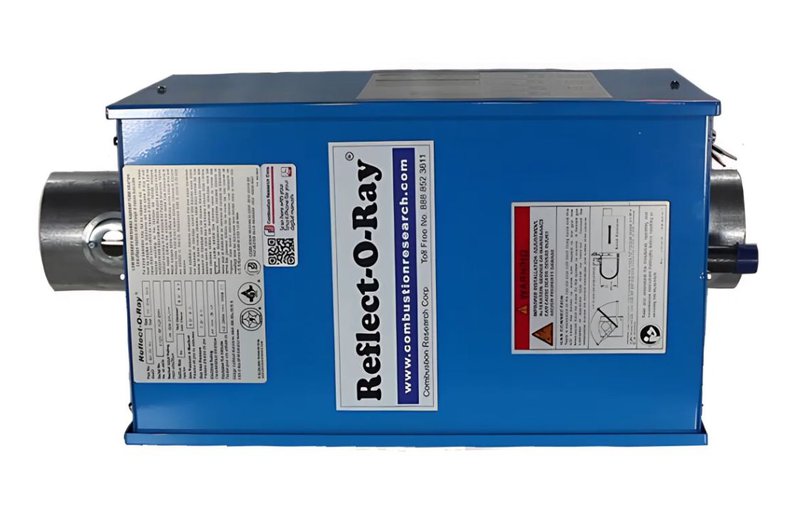
Meanwhile, positive pressure systems still suit shorter, simpler venting arrangements in many buildings. Neither design is universally better across every possible facility type engineers might encounter.
| Factor | Draft-Induced (Negative Pressure) | Positive Pressure |
|---|---|---|
| Flame length | Longer, more even heat | Shorter, more concentrated |
| Leak behavior | Draws air inward | Pushes gas outward |
| Typical vent run | Longer runs supported | Shorter runs typical |
CRC engineers help you weigh both options against your specific building requirements carefully. Building layout, roof access, and vent run distance all factor into that decision. For example, a long, narrow building often favors the draft-induced approach for that reason.
Applications Best Suited to Draft-Induced Radiant Systems
Certain facility types benefit more than others from a draft-induced heating system design. Long, narrow buildings often need vent runs that stretch far beyond typical distances. Draft-induced systems handle these long runs without sacrificing performance or combustion safety at any point.
Buildings with limited roof penetrations, such as historic structures, also favor this design. Aircraft hangars, discussed further in our warehouse heating strategies guide, often stretch heaters across wide spans. Agricultural buildings with long, narrow footprints also benefit from extended vent flexibility in many cases.
Meanwhile, smaller or simpler buildings may not need this level of venting flexibility. A simpler positive pressure design often works just as well in those cases.
Draft-induced radiant systems fit especially well in these facility types:
- Aircraft hangars and large maintenance bays
- Long, narrow agricultural or industrial buildings
- Facilities with limited roof access
- Buildings needing extended vent runs
CRC engineers can evaluate your building layout to recommend the right venting approach. Getting this decision right early avoids costly changes later in the project timeline. Therefore, an early venting conversation saves both time and money on your project.
Draft-induced radiant systems offer real technical advantages for the right building and site conditions. Longer vent runs, improved safety, and better efficiency all favor this venting approach. CRC engineers can help you decide whether this design fits your specific project.
Our team supplies radiant heating systems for hangars, warehouses, and agricultural buildings. We can review your building layout and recommend the venting design that fits. Connect with our engineers to find the right venting design for your project.