

October 19, 2026
A stall heater built for livestock barns faces conditions no office HVAC unit ever sees. Dust, moisture, ammonia fumes, and curious animals all threaten standard heating equipment daily. Farmers need a stall heater that survives that environment year after year without constant repairs.
Livestock buildings also run heat almost continuously through long, brutal winter months every year. A single equipment failure during a cold snap can threaten an entire herd or flock. The sections below cover what makes a stall heater durable enough for real agricultural conditions.
What Makes a Stall Heater Durable Enough for Livestock Barns
Dust is the single biggest enemy of heating equipment inside any livestock building. Feed dust, bedding particles, and dander settle on every surface, including sensitive electrical components. As a result, a well-built stall heater seals its controls away from that constant airborne buildup.
Moisture presents an equally serious challenge in barns with high animal density and poor drainage. Condensation inside a heater's tubing can, in turn, trigger corrosion and eventually cause tube failure. Combustion Research designs dry tube systems that avoid condensation by staying above the dew point.
Animals themselves pose a direct physical threat to poorly placed heating equipment nearby. Curious livestock nose, lick, and rub against anything within reach inside a stall. Mounting height and guarding both matter as much as the heater's internal engineering.
What Is the Best Type of Heater for a Livestock Stall?
Low-intensity infrared tube heaters typically work best for livestock stalls and barn aisles. They mount overhead, out of reach of animals, and warm bedding and floors directly. Radiant heat also avoids stirring up dust the way most forced-air systems do.
Why Radiant Heat Outperforms Forced Air in Barns
Forced-air heaters constantly circulate the same dusty, ammonia-laden air throughout an entire barn. Circulation like that stresses fan motors and clogs filters faster than in any typical commercial building. A stall heater based on radiant infrared skips that air circulation problem entirely.
Radiant tube heaters instead warm the floor, bedding, and animals through direct infrared contact. As a result, livestock stay warmer at a lower air temperature than a forced-air system would need. Lower air temperatures, in turn, mean less moisture pickup and slower ammonia buildup indoors.
Energy costs matter enormously to farm operating margins across an entire production cycle. Poultry operations, for example, already spend a meaningful share of their budget on electricity. According to the USDA Economic Research Service, poultry production carries the highest electricity share of any livestock sector. Cutting that energy load through efficient radiant heat directly protects overall farm profitability. Our guide to barn heaters for livestock covers sizing for different barn types and layouts.
Matching to Your Specific Operation
For example, dairy barns, equine stables, and poultry houses each place different demands on a stall heater. A dairy barn needs steady background warmth without excess humidity near feed and bedding. Equine stables need heaters mounted well above head height and fully guarded against contact.
Meanwhile, poultry brooding houses need a different approach entirely, since young birds need close, even warmth. See our breakdown of poultry and livestock brooding heaters for brooder-specific placement guidance.
Every operation should also plan for dust and safety clearance around each stall heater. Review our safety guidance on barn heaters and dust exposure before finalizing placement. Correct clearance protects both the animals and the equipment over a long service life.
Long-Term Value of a Durable Stall Heater Investment
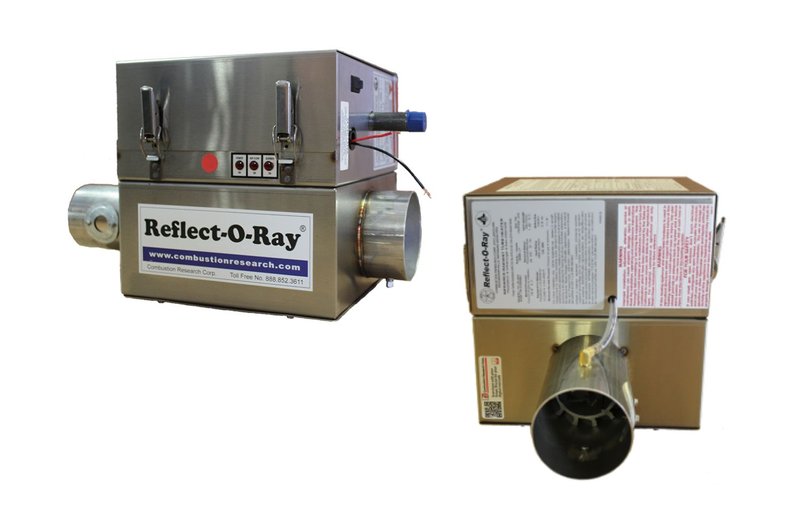
A stall heater represents a long-term investment rather than a simple equipment purchase. Likewise, Combustion Research builds tube heaters without filters or condensation-prone parts that need constant replacement. A design choice like that pays off directly in reduced downtime during calving or lambing season.
Farmers rarely have time for emergency heater repairs during their busiest weeks of the year. Instead, a heater engineered for durability from the start avoids that costly, stressful scramble. Choosing well-built equipment now protects both animal welfare and your operating budget later.
Ready to Upgrade Your Farm's Stall Heater Setup?
A durable stall heater keeps your animals safe and comfortable through the harshest winter months. Combustion Research has engineered heating equipment for agricultural use in Michigan for decades. Our systems handle dust, moisture, and constant animal activity without ever breaking down.
Our team can help you choose the right heater for your specific barn layout. We will walk through sizing, mounting height, and fuel options together with you. Contact us today to protect your herd well before winter weather truly arrives.