


September 23, 2026
Aircraft skin and internal components react quickly to temperature swings inside a hangar. A hangar heater does more than keep pilots and mechanics comfortable during work. The right heater also protects expensive aircraft from moisture damage and corrosion over time.
Condensation forms whenever a cold surface drops below the surrounding air's dew point. Aircraft skin cools quickly overnight and often sits well below that critical threshold. The sections below explain how the right heater keeps that moisture problem in check.
Why Moisture Forms Inside Aircraft Storage Hangars
Moisture condenses on any surface colder than the surrounding air's dew point temperature. Aircraft skin, being thin metal, loses heat fast once the sun goes down. A quick temperature drop often pushes the surface below the surrounding air's dew point. Even a few degrees of difference can trigger condensation across large exposed panels.
Standard forced-air heating only raises the air temperature inside the hangar as a whole. The metal surface itself can still sit far colder than the surrounding air. Warm air rises toward the ceiling, leaving lower surfaces exposed to lingering cold spots. A mismatched hangar heater often fails to close that persistent temperature gap, as our tube heater guide explains.
Corrosion follows condensation closely, especially on ferrous parts and sensitive electronic components inside the aircraft. Most experts consider relative humidity below 45% the threshold where corrosion slows dramatically. Hangars that stay above that humidity level face significantly higher long-term maintenance costs. Repeated moisture exposure also shortens the service life of paint and protective coatings.

Facility managers often blame ventilation when the real culprit is a poorly matched hangar heater. Adding more airflow rarely solves a condensation problem rooted in cold aircraft skin. Radiant heat instead warms the aircraft surface directly, closing the dew point gap. Therefore, the real fix involves warming the surfaces themselves, not just the air.
How a Hangar Heater Prevents Condensation on Aircraft Surfaces
A hangar heater built around infrared technology warms surfaces directly, not just air. Radiant energy strikes the aircraft skin and raises its temperature above the dew point. Once the surface stays warmer than the dew point, condensation simply cannot form.
What Makes a Good Hangar Heater for Aircraft Storage?
A good hangar heater delivers even radiant heat directly onto aircraft surfaces reliably. It also handles the tall ceilings and wide spans typical of hangar buildings. Reliable venting and steady output matter as much as raw heating capacity here.
Even heat distribution matters because cold spots on the fuselage still invite condensation. Engineers position tube heaters to cover the entire footprint of the parked aircraft. Wingtips and tail sections often need extra attention since they cool fastest overnight.
Meanwhile, floor heating helps keep the entire hangar envelope above the dew point. A warm floor radiates heat upward, supporting the aircraft surface temperature from below.
Facility managers should also monitor relative humidity alongside surface temperature readings throughout the season. Combining radiant heat with monitoring, a point covered in this radiant heat efficiency data, gives the most reliable protection. As a result, aircraft stay drier and last longer with far less maintenance.
Comparing Heating Methods for Aircraft Hangar Moisture Control
Hangar owners choosing a hangar heater typically pick between forced-air and radiant infrared systems. Forced-air systems warm the room quickly but leave cold surfaces largely untouched. Radiant systems take a different approach by targeting the surfaces that actually matter.
Forced-air heating also stirs up dust and debris across the open hangar floor. Airborne particles can settle on aircraft surfaces and complicate maintenance and inspection work. Radiant heat avoids this problem, as explained in this infrared versus convection comparison, since it skips moving air.
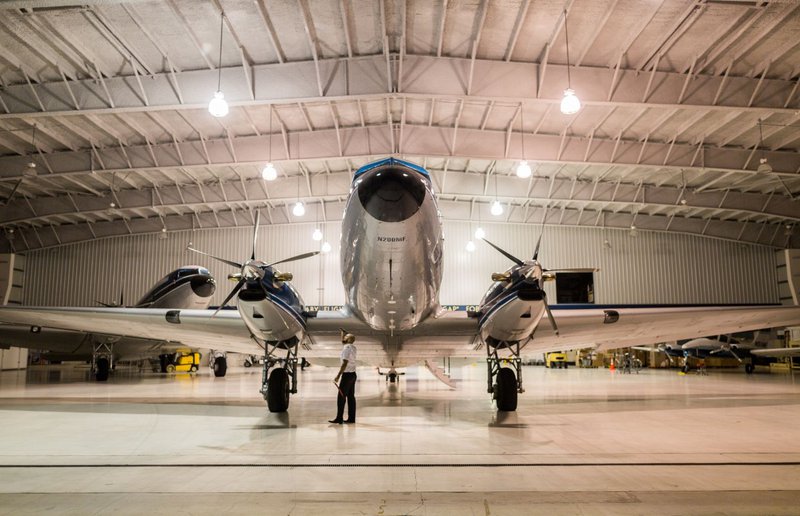
Meanwhile, radiant systems also respond faster when hangar doors open for aircraft movement. Stored heat in surfaces and floors recovers quickly once the door closes again.
| Factor | Forced-Air Heating | Radiant Infrared Heating |
|---|---|---|
| Surface temperature | Often stays below dew point | Raised directly above dew point |
| Dust and debris | Stirred up by airflow | Not disturbed |
| Energy use | Higher, heats full air volume | Lower, targets surfaces directly |
Many hangar operators combine both systems for ventilation and targeted surface protection in colder climates. The right combination depends on climate, hangar size, and the aircraft stored inside. For example, larger hangars often benefit most from a hybrid heating approach overall.
Choosing the Right Hangar Heater for Your Facility
Choosing the right hangar heater starts with understanding your typical climate conditions throughout the year. Facilities in humid coastal regions face different challenges than dry inland locations do. Aircraft type and hangar size also shape the right heater layout and output.
Ceiling height affects mounting position and how evenly heat reaches parked aircraft across the hangar. Door frequency also matters since large hangar doors let in significant outside air. Draft-induced venting, covered in this suspended tube radiant heat guide, helps facilities with limited roof access.
Meanwhile, budget and installation timeline also factor into the final equipment decision for most facilities. An experienced manufacturer can help you balance all these factors against your goals.
When sourcing a hangar heater, review these key project details:
- Local climate and typical humidity levels
- Hangar ceiling height and floor area
- Aircraft type and typical dwell time
- Door frequency and available vent access
CRC engineers can help you design a system suited to your specific hangar. Correct sizing keeps aircraft dry without wasting fuel on unnecessary heating capacity throughout the year. Therefore, a proper installation protects both your aircraft and your operating budget over the years.
A hangar heater does more than keep your team comfortable during maintenance work. The right system protects aircraft from condensation, corrosion, and expensive damage over the years. CRC engineers can help you design a heating system built for your hangar.
Our team has radiant heating systems for hangars across many different climates. We can help you protect your aircraft while keeping energy costs under control. Talk to our team about finding the right hangar heater for your facility.