

April 20, 2026
Technology used in an infrared heater has been around for decades. Yet many engineers, contractors, and facility managers still carry outdated assumptions about how it performs. These misconceptions can lead to poor specification decisions and missed opportunities for cost savings. This article examines the most common myths surrounding modern infrared technology, so professionals can make well-informed choices.
Myth: An Infrared Heater Only Warms the Surrounding Air
One of the most persistent myths is that an infrared heater works like a forced-air system. In reality, infrared heating relies on radiant thermal transfer. It warms people, floors, equipment, and structures directly, rather than heating the air first.
This distinction matters most in large, open environments. Warehouses, aircraft hangars, and agricultural buildings often have high ceilings or frequently opened doors. Conventional forced-air systems lose a significant portion of their output upward. Radiant infrared keeps warmth where occupants need it most—at the occupant level.
The science is straightforward. Radiant heat travels in waves, much like sunlight warms a surface on a cool day. No air movement is required for this transfer to occur. This is why occupants in radiant-heated facilities often feel comfortable at lower thermostat settings. That comfort can also translate to reduced utility costs.
Misconception: Infrared Heating Poses Serious Safety Risks
Some professionals assume that infrared systems carry elevated fire risk or expose occupants to harmful radiation. This concern is largely unfounded when equipment is properly specified and installed.

Low-intensity infrared tube heaters operate at surface temperatures well below those of open-flame alternatives. The tube fully encloses the combustion process. The system safely vents flue gases outside the structure, preserving indoor air quality.
Modern systems are engineered with multiple protective controls, including:
- Flame failure detection and automatic shutoff
- Overheat protection and pressure switches
- CSA and UL certifications for verified safety performance
These safeguards make low-intensity infrared a practical choice even in sensitive environments, such as CNG repair facilities and food processing plants.
Myth: Infrared Systems Are Too Costly to Operate
Energy efficiency is a frequent concern during the planning stage. Many assume radiant heating carries high operating costs. The data suggests otherwise.
The tube fully encloses the combustion process, and the system safely vents flue gases outside the structure to preserve indoor air quality. Research has documented fuel savings ranging from 30 to 50 percent in certain industrial heating applications.
The efficiency advantage is even more pronounced in buildings with poor insulation or frequent door cycles. Heat loss from convective systems in these conditions is substantial. The radiant output does not dissipate as quickly when a dock door opens or a ceiling is not well-sealed.
Proper infrared system design plays a major role in achieving these results. A carefully engineered layout ensures consistent distribution without oversizing or undersizing the equipment.
Misconception: Every Infrared Heater Delivers the Same Results
Manufacturers do not build all infrared technology alike. Two primary categories exist: low-intensity and high-intensity systems. Each serves distinct applications, and selecting the wrong type can compromise outcomes.
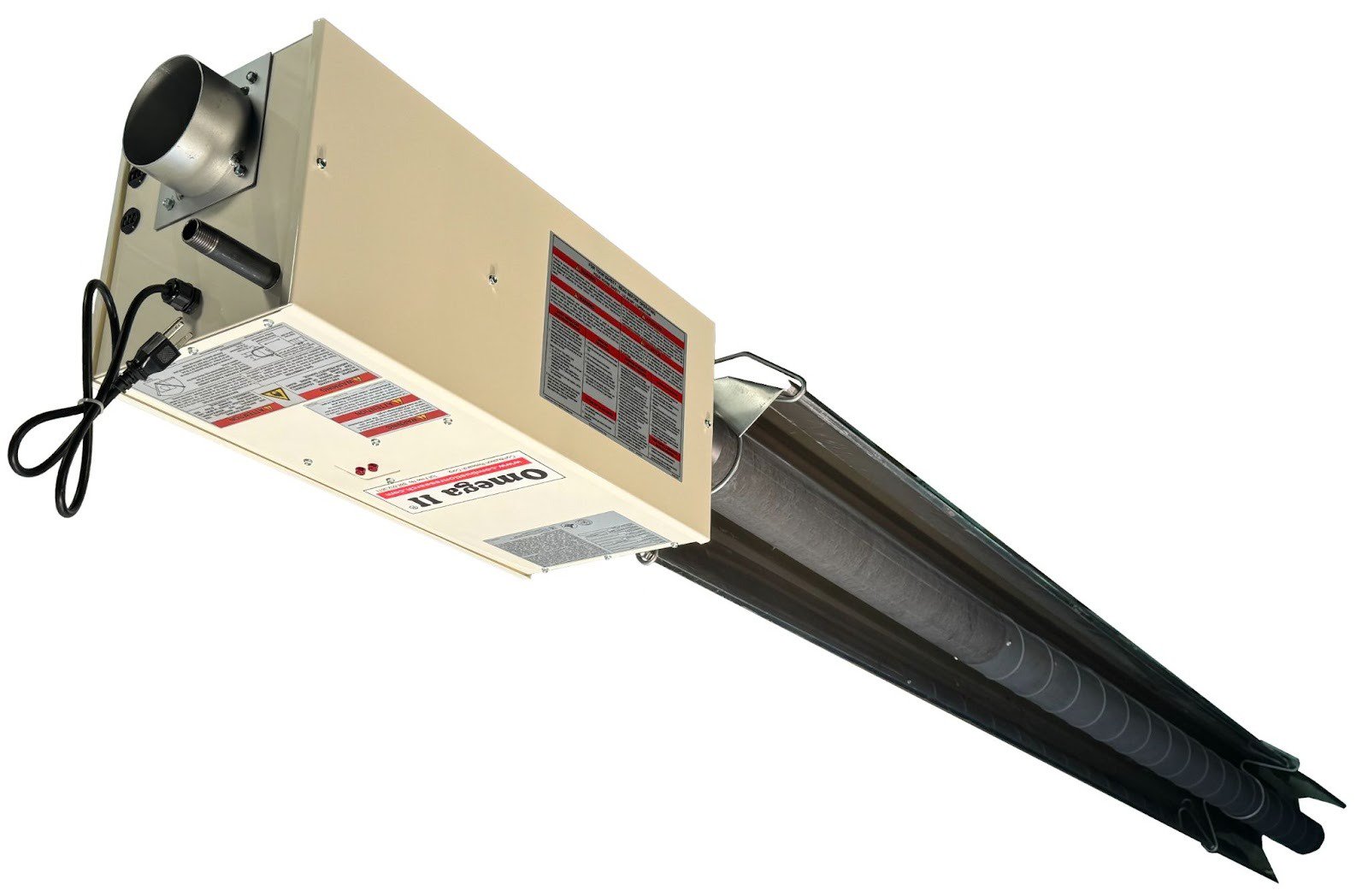
Low-intensity tube heaters use a gas burner at one end. Hot combustion gases travel through a steel tube, radiating warmth along its full length. These systems suit occupied spaces well because surface temperatures remain moderate and safe.

High-intensity ceramic infrared heaters operate at much higher surface temperatures. They excel in spot-heating scenarios and processes that require rapid, concentrated thermal output.
Key differences between the two include:
- Operating temperature ranges and radiant efficiency ratings
- Suitable mounting heights and required clearance distances
- Ideal fit, from expansive open facilities to targeted process heating zones
Understanding these distinctions allows HVAC engineers and architects to evaluate and select the right solution from the outset.
Put Accurate Knowledge to Work on Your Next Project
Combustion Research Corporation has been manufacturing low-intensity infrared tube heaters for over 50 years. Based in Rochester Hills, Michigan, the company serves commercial, industrial, agricultural, and residential markets.
Our Reflect-O-Ray® and Omega II® systems are engineered for vacuum-vented and power-vented use. These products deliver consistent comfort, reduced dust and drafts, and measurable energy savings. We build each system for long-term durability without unnecessary maintenance add-ons.
For engineers and architects evaluating infrared heating for their next project, Combustion Research offers expert guidance at every phase. Talk to our team today to get the right system designed for your facility.