

October 28, 2026
Tube failures rank among the most common reasons facility owners call for repairs. Much commercial HVAC repair work traces back to stress and hot spots inside tubing. Better tube design can prevent much of that damage before it ever starts.
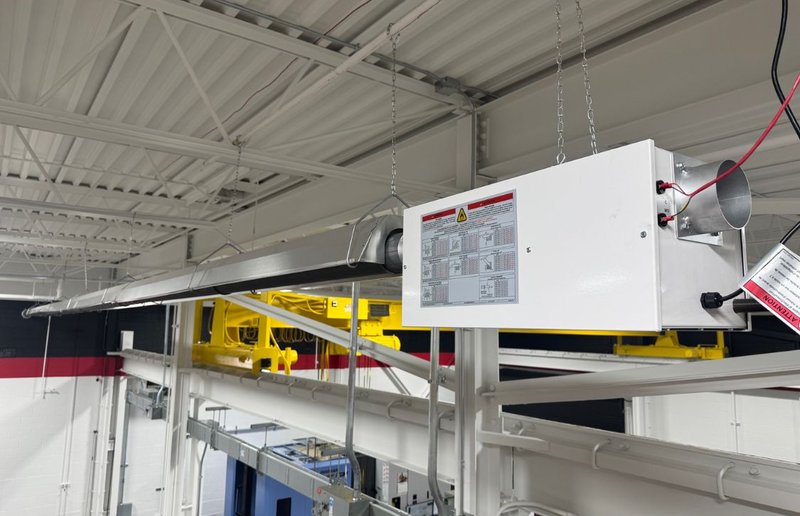
Radiant tube heaters rely on a single metal tube to carry combustion gases. Uneven heating along that tube creates stress points that eventually crack or fail. The sections below explain how spiral tubing design addresses this exact problem directly.
Why Tube Failures Drive So Much Commercial HVAC Repair
Commercial HVAC repair calls often trace back to a single failed heater tube. Tubes crack or burn through after repeated exposure to uneven internal heat stress. A cracked tube often means a costly, disruptive repair call during peak season. Facility owners rarely see the problem coming until output drops noticeably.
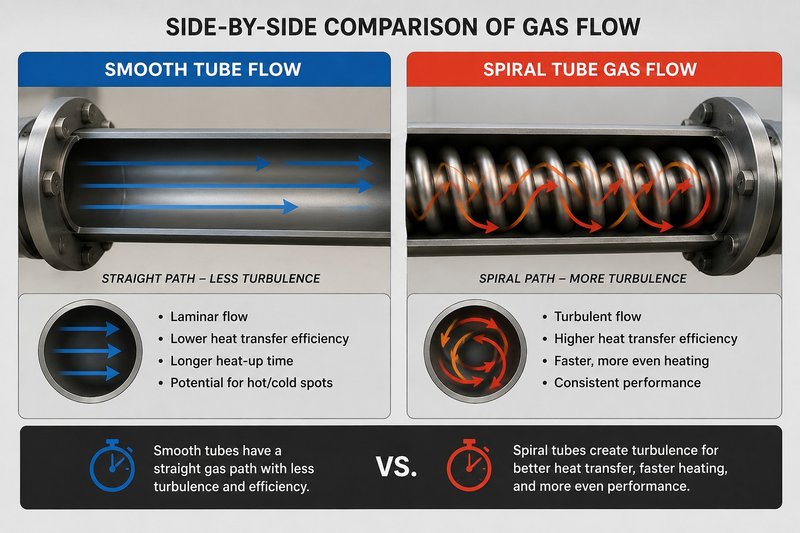
Standard smooth tubing lets combustion gases flow in a straight, uneven path. Hot spots form wherever flow slows down or gases linger longer than expected. Repeated heating and cooling cycles stress metal at these hot spots over time. Eventually, that stress creates small cracks that grow larger with continued operation of the heater. A cracked tube eventually leaks combustion gases and requires immediate professional repair work, a risk detailed in this energy-efficient commercial heating systems guide.
Facility owners often replace tubes reactively instead of preventing the problem up front. Reactive repairs cost more and often happen during the coldest, least convenient times. Therefore, preventing tube failure matters more than reacting quickly once it happens to your facility.
What Causes Most Commercial HVAC Repair Calls for Tube Heaters?
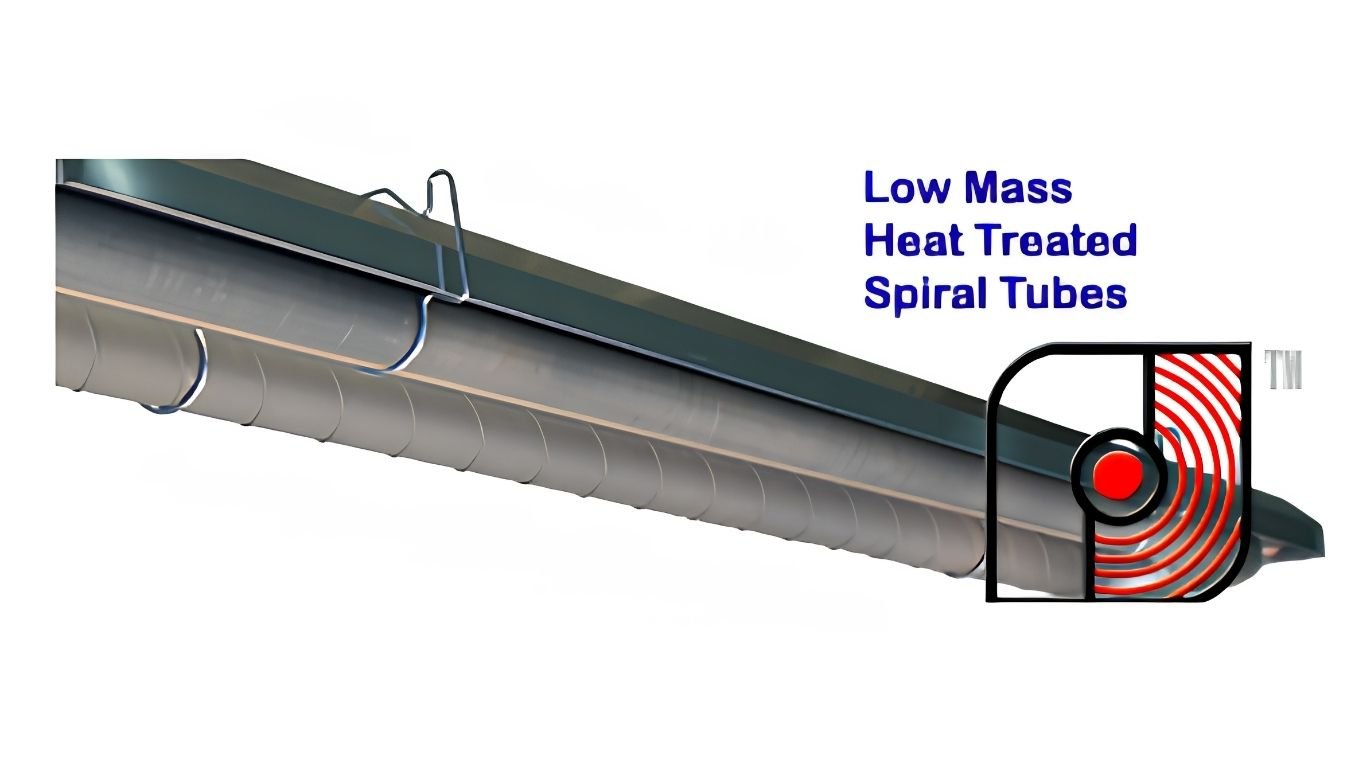
Spiral tubing changes how combustion gases move along the length of the tube. The spiral pattern forces gases into a turbulent, swirling flow instead of a straight path. Turbulent flow spreads heat evenly across the entire tube surface at every point.
Most commercial HVAC repair calls for tube heaters trace back to hot spots. Hot spots form when combustion gases flow unevenly along a smooth, straight tube. Uneven temperatures like these stress the metal until small cracks eventually form and spread.
Spiral tubing eliminates most of these hot spots through steady turbulent gas flow. Even heat distribution reduces the thermal stress that leads to cracking over time. Tubes built this way simply last longer under normal daily operating conditions overall.
Meanwhile, turbulent flow also improves overall heat transfer efficiency inside the tube itself. Better efficiency means more usable heat reaches the building from the same fuel input.
Facility owners, backed by this radiant heat efficiency data, see fewer commercial HVAC repair calls after switching. Fewer repair calls mean less downtime and lower long-term maintenance costs for your facility. As a result, spiral tubing pays for itself well beyond the initial purchase price.
Comparing Tube Designs and Long-Term Repair Costs
Standard smooth tubing remains common across many older heater models still on the market. Smooth tubes cost less upfront but wear unevenly under normal conditions over the years. Spiral tubing costs slightly more upfront but lasts significantly longer in most installations.
Longer tube life directly reduces how often facility owners need commercial HVAC repair service. Fewer service calls also mean fewer disruptions to daily operations across a facility. The table below compares smooth and spiral tubing across several important factors directly.
| Factor | Standard Smooth Tubing | Spiral Tubing |
|---|---|---|
| Heat distribution | Uneven, prone to hot spots | Even, reduced hot spots |
| Typical tube lifespan | Shorter | Longer |
| Repair frequency | Higher over time | Lower over time |
Meanwhile, upfront cost differences shrink quickly once you factor in fewer repairs over the years. Most facility owners recover the extra cost within just a few operating seasons.
CRC engineers, drawing on this infrared heater overview, can walk you through the long-term savings. Understanding these numbers helps you make a more informed equipment decision for your facility. For example, one avoided repair call can offset years of price difference easily.
Reducing Commercial HVAC Repair Costs With Better Tube Design
Reducing commercial HVAC repair costs starts with choosing the right tube design upfront. Spiral tubing offers a proven way to cut long-term repair frequency significantly overall. Facility owners should weigh tube design alongside price when comparing heater options carefully.
Routine maintenance also plays a role in preventing unnecessary commercial HVAC repair calls. Regular inspections catch early warning signs before a tube actually cracks or fails. Combining better tube design with routine maintenance offers the strongest long-term protection available.
Meanwhile, facility age and usage patterns also affect how often tubes need attention. Heavily used facilities, as noted in this warehouse heating strategies guide, benefit most from added durability.
When comparing tube designs, facility owners should review these factors:
- Expected tube lifespan under normal use
- Frequency of past repair calls
- Facility usage patterns and operating hours
- Total cost of ownership over time
CRC engineers can help you choose the right tube design for your facility. Getting this decision right reduces your long-term commercial HVAC repair costs over time. Therefore, a smart tube choice protects both your budget and your operating schedule.
Commercial HVAC repair costs add up fast when tube design gets overlooked during the design process. Spiral tubing offers a proven way to reduce hot spots and tube stress. CRC engineers can help you choose equipment built to reduce future repair calls.
Our team can help you choose tubing built to reduce long-term maintenance and repair needs. Ask our engineers about tubing designed to cut long-term commercial HVAC repair needs.