What is the most efficient radiant floor heating system?
This page covers commercial low-intensity infrared radiant heating (tube and high-intensity systems) rather than in-floor radiant heating specifically. Within infrared radiant heating, efficiency comes from directing heat toward people, floors, equipment, and work zones instead of heating large volumes of air. Combustion Research Corporation's vacuum-vented Reflect-O-Ray systems are custom-designed for optimum comfort and fuel efficiency, and infrared systems overall can reduce operational heating costs by 30-50% compared with conventional heating methods.
How many BTUs are needed to heat a 40x60 commercial shop?
A 40x60 shop is 2,400 square feet, but actual BTU needs depend on ceiling height, insulation, door openings, climate, fuel type, and desired temperature. Commercial radiant systems often size differently than forced-air units because they heat objects and occupied zones directly. Combustion Research Corporation offers systems from 30,000 to 220,000 BTUs along with engineering support to determine the right configuration for your space.
What types of commercial radiant heating systems are available?
Available options include gas-fired vacuum radiant infrared tube systems, power-vented tube heaters, high-intensity single-stage and dual-stage heaters, and electric Solaira heaters. Systems can run on natural gas or LP/propane, come in straight or U configurations, and scale from smaller commercial spaces to very large warehouses, hangars, and docks.
How much energy can radiant infrared heating save compared to conventional systems?
According to product documentation, radiant infrared heating systems can reduce operational heating costs by 30-50% compared with conventional heating. This is achieved by directing heat toward people, floors, equipment, and work zones rather than primarily heating large volumes of air, which is especially valuable in high-bay or frequently opened commercial spaces.
Are commercial radiant heating systems suitable for warehouses and industrial buildings?
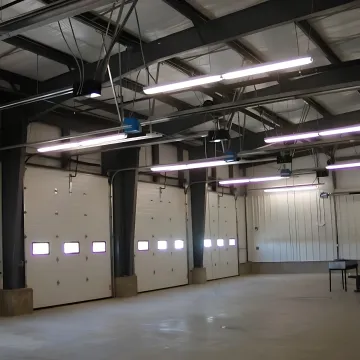
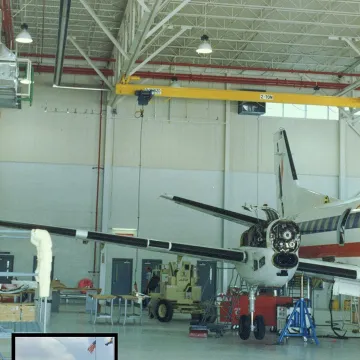
Yes. These systems are engineered for demanding commercial and industrial applications, including large warehouses, steel warehousing, aircraft hangars, service garages, auto dealerships, greenhouses, shipping and receiving docks, car and truck wash bays, and oil and lube shops. Custom designs can support spaces from approximately 500 square feet up to very large buildings.
What is the difference between vacuum-vented and power-vented radiant heating systems?
Vacuum-vented systems, such as Reflect-O-Ray, are custom-designed gas-fired radiant tube systems built for optimum comfort and fuel efficiency. Power-vented systems, such as Omega II, are unitary radiant tube heaters with BTU inputs ranging from 105K to 200K. The right choice depends on building layout, venting strategy, heat load, installation requirements, and overall system design goals.
Do commercial radiant tube heaters require a lot of maintenance?
Radiant tube heaters are built for durability and simplified upkeep. Low-intensity systems don't rely on maintenance-heavy components like filters or condensation-prone tube replacements. Features such as electronic flame monitoring, corrosion-resistant aluminized steel tubing, pre-purge cycles, and factory testing support reliable long-term operation when the system is properly installed and serviced.
What warranty coverage comes with these commercial heating systems?
Warranty terms vary by product line. Several radiant tube heater products include a 10-year warranty on radiant tubes covering internally created corrosion, while Synergy high-intensity heaters carry a 1-year limited warranty. Because coverage differs by product and component, it's best to review the specific system during specification to confirm applicable warranty conditions and installation requirements.