What are the main types of industrial heating systems?
Industrial heating systems include gas-fired radiant tube heaters, high-intensity ceramic infrared heaters, electric infrared heaters, and conventional forced-air systems. For high-bay, door-cycling, or poorly insulated facilities, radiant infrared often performs better because it heats floors, equipment, inventory, and people directly instead of heating air that rises or escapes through open doors.
How does radiant infrared heating work in industrial buildings?
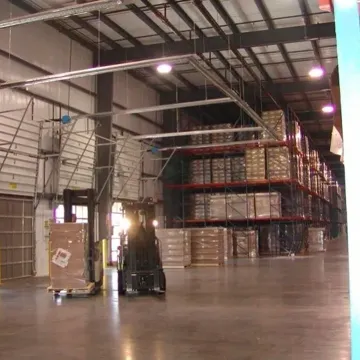
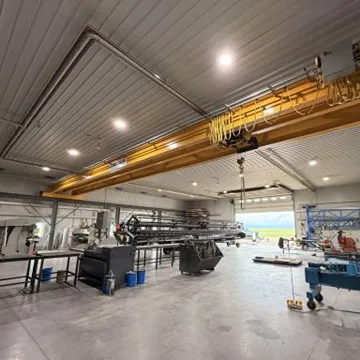
Radiant infrared heating transfers energy to surfaces and occupants, similar to sunlight, rather than relying on heated air circulation. This is valuable in warehouses, hangars, service bays, and manufacturing plants where warm air stratifies near the ceiling. Combustion Research systems are designed to deposit usable heat at occupied levels for comfort and efficiency.
How do I size an industrial heating system?
Input varies by product and application. Reflect-O-Ray systems range from 40,000 to 250,000 BTU/hr and can be engineered for facilities from 500 square feet to more than 1,000,000 square feet. Omega II systems range from 105,000 to 200,000 BTU, while Synergy ceramic heaters cover 30,000 to 200,000 BTU ranges.
How much energy can infrared heating save?
Combustion Research documents 30-50% energy savings over conventional forced-air systems in comparable commercial applications. Some company materials also note potential savings up to 75% in energy costs depending on the building, use pattern, and existing equipment. Savings are strongest where ceilings are tall, doors cycle often, or ventilation removes heated air.
What is the difference between vacuum and power-vented radiant tube heaters?
Vacuum systems like Reflect-O-Ray are custom-engineered negative-pressure radiant tube systems and are generally more efficient than power-vented systems. They are often selected for larger or more complex facilities. Power-vented systems like Omega II are unitary, single-side-vented heaters that are practical for smaller warehouses, service bays, and straightforward zone-by-zone layouts.
When should I use high-intensity ceramic infrared heaters?
High-intensity ceramic heaters, such as Synergy, reach maximum operating temperature in under one minute and are useful for spot or zone heating. They fit work cells, loading areas, protected outdoor spaces, entry canopies, and areas needing instant-on heat. Low-intensity radiant tube systems are usually better for full-building or broad-area heating coverage.
Which fuel sources are available for industrial infrared heaters?
Combustion Research systems operate on natural gas, propane, oil-fired variants for certain Reflect-O-Ray applications, and electric power through the Solaira Alpha Series. Gas systems are generally recommended first when natural gas or propane is available because they typically provide lower operating costs than electric infrared heaters in large commercial and industrial applications.
How much does an industrial heating system cost?
Pricing is quoted by facility square footage, ceiling height, BTU sizing, fuel type, product family, construction material, and installation requirements such as gas piping, electrical drops, and vent terminations. Combustion Research provides quotes through its North American representative network, and facility teams can request guidance through combustionresearch.com/find-a-rep or by calling 888-852-3611.