What ceiling height is needed for radiant tube heater?
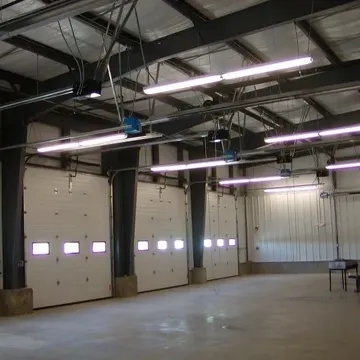
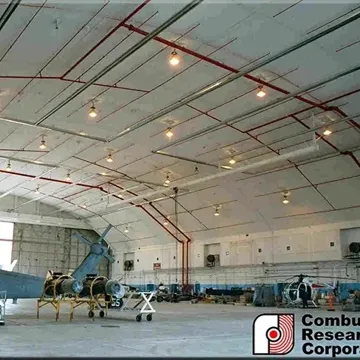
Most low-intensity radiant tube heaters are commonly mounted from about 10 to 30 feet, depending on model, BTU input, building use, and required clearances. Combustion Research recommends Reflect-O-Ray 6.0 EDS for high-bay spaces with 20-foot-plus ceilings. Synergy high-intensity ceramic systems typically fit 8- to 20-foot mounting heights for spot or zone heating.
Where are radiant tube heaters most commonly used?
Radiant tube heaters work well in warehouses, aircraft hangars, manufacturing plants, auto dealership service bays, ice arenas, natatoriums, CNG repair facilities, barns, pole buildings, and agricultural spaces. They are especially effective in high-bay or door-cycling buildings because they heat floors, equipment, vehicles, inventory, and people rather than only warming air near the ceiling.
How much does a commercial radiant tube heater cost?
Pricing is quoted per facility because system cost depends on square footage, ceiling height, insulation, BTU sizing, fuel type, construction material, venting layout, gas piping, and electrical drops. Combustion Research systems are available through a North American representative network. You can find a rep online or call 888-852-3611 for quote direction.
What fuel options are available for radiant tube heaters?
Combustion Research radiant tube systems can operate on natural gas or propane, depending on the model and site utilities. Reflect-O-Ray also includes an oil-fired EDS variant for off-grid or rural commercial facilities without natural gas access. Electric infrared is available through Solaira Alpha, though gas systems are typically evaluated first for lower operating cost.
Are radiant tube heaters energy efficient?
Radiant tube heaters from Combustion Research are documented to reduce operating costs by 30-50% compared with conventional forced-air heating in comparable commercial applications. Savings come from heating occupied surfaces directly, reducing ceiling heat stratification, and recovering faster after overhead doors open and close in high-bay buildings.
What is the difference between Reflect-O-Ray and Omega II?
Reflect-O-Ray is a custom-engineered vacuum radiant tube system suited for larger or more complex commercial and industrial facilities. Omega II is a unitary power-vented radiant tube heater for straightforward zones and smaller layouts. Vacuum systems are generally more efficient, while power-vented systems can be faster to specify for simpler applications.
What warranty comes with Combustion Research radiant tube heaters?
Manufacturer warranty coverage includes a 10-year radiant tube warranty for internally created corrosion on Omega II, Reflect-O-Ray, and Serengeti-IR systems, plus a 3-year burner control warranty. Warranty terms may vary by product family and application, so submittals and product documentation should be reviewed during specification.
How do I size a radiant tube heater for my facility?
Sizing should account for square footage, ceiling height, insulation quality, door-cycle frequency, fuel availability, and application type. As a general reference, warehouses may range from 25-40 BTU per square foot for insulated low-bay spaces to 40-65 BTU per square foot for high-bay or less insulated buildings. Use CRC calculators or rep support for project-specific sizing.