Do radiant tube heaters require ventilation?
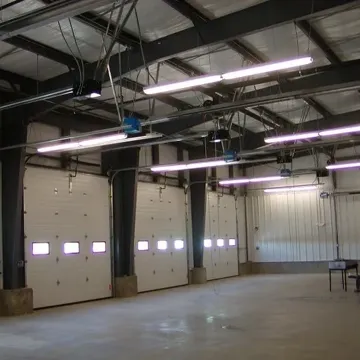
Gas-fired radiant tube heaters usually require venting or approved combustion-air planning according to the model, configuration, and local code. Low-intensity tube systems such as Reflect-O-Ray and Omega II use engineered venting approaches, while some high-intensity ceramic systems may not require direct venting. Always review the product submittal, clearance tables, fuel requirements, and authority-having-jurisdiction requirements before final specification.
What are the different types of radiant tube heaters?
Common radiant heater types include low-intensity radiant tube heaters, vacuum radiant tube systems, power-vented tube heaters, compact tube heaters, high-intensity ceramic infrared heaters, and commercial electric infrared heaters. Combustion Research Corporation offers Reflect-O-Ray vacuum systems, Omega II power-vented systems, Serengeti-IR compact systems, Synergy ceramic infrared heaters, and Solaira Alpha electric infrared heaters for different facility conditions.
What should be included in a radiant tube heater specification?
A specification should include BTU input, mounting height, tube configuration, fuel type, venting method, clearance to combustibles, control strategy, construction material, ignition system, certification data, and warranty requirements. For CRC systems, engineers also review facility square footage, ceiling height, insulation, door cycles, corrosion exposure, and whether the application needs vacuum, power-vented, ceramic, stainless steel, or electric infrared heating.
How do you size a radiant tube heater?
Sizing depends on building use, square footage, ceiling height, insulation, door-cycle frequency, fuel availability, and desired comfort level. CRC reference guidance notes warehouses may range from about 25 to 65+ BTU per square foot depending on height and envelope quality. Aircraft hangars, military bays, and frequently opened service facilities often need higher design density and application-specific engineering.
What clearance to combustibles is required?
Clearance requirements vary by product model, firing rate, mounting angle, reflector arrangement, and tube configuration. CRC reference content notes typical Reflect-O-Ray and Omega II clearances can range from 12 inches to 60 inches depending on orientation. Always use the current submittal sheet, installation manual, and local code review rather than applying one universal clearance rule.
Can radiant tube heaters use natural gas or propane?
Radiant tube heaters are commonly available for natural gas or propane, and CRC also offers oil-fired and electric options for certain applications. Natural gas and propane are typical for commercial and industrial infrared heating, while Solaira Alpha electric infrared heaters fit protected outdoor or semi-outdoor locations where gas service is impractical. Fuel choice affects operating cost and specification details.
How much energy can radiant tube heaters save?
Radiant infrared systems can reduce operational heating costs by 30–50% compared with conventional forced-air systems in many commercial applications. The savings come from heating floors, equipment, inventory, vehicles, and occupants directly rather than repeatedly warming air that stratifies near the ceiling or escapes through overhead doors. CRC reference content notes payback may commonly fall within two to five years.
What warranties apply to CRC radiant tube heaters?
Combustion Research Corporation provides manufacturer warranties including a 10-year radiant tube warranty for internally created corrosion on Omega II, Reflect-O-Ray, and Serengeti-IR systems, plus a 3-year burner control warranty. Synergy systems carry a 1-year limited warranty. Warranty terms should be reviewed with the product submittal and quote package for the specific system selected.