What are the advantages of gas fired radiant heaters?
Gas fired radiant heaters deliver heat directly to floors, equipment, inventory, vehicles, and people instead of heating the air column first. That makes them highly effective in high-bay buildings, leaky envelopes, and facilities with frequent door cycles. Combustion Research systems can reduce operating costs by 30-50% compared with forced air, preserve floor space, and avoid stirring up dust or pathogens.
How are Gas Radiant Heaters sized for a facility?
Combustion Research Corporation uses facility-specific factors such as square footage, ceiling height, insulation level, door-cycle frequency, fuel type, and application to guide sizing. Warehouses often range from 25-65+ BTU per square foot depending on conditions. Aircraft hangars and military bays may require higher density because large doors open frequently and displace heated air.
Can these heaters run on natural gas or propane?
CRC systems are available for natural gas and propane, depending on the product family and project requirements. Reflect-O-Ray also includes an oil-fired variant for off-grid or rural commercial facilities without natural gas access. Fuel choice is evaluated alongside operating cost, infrastructure availability, burner input, venting needs, and the facility’s heating layout.
What is the difference between radiant tube and high-intensity ceramic heaters?
Low-intensity radiant tube heaters, such as Reflect-O-Ray and Omega II, are best for broad, even coverage in warehouses, plants, hangars, arenas, and service bays. High-intensity ceramic Synergy heaters reach maximum temperature in under one minute and are better for spot or zone heating, loading docks, work cells, protected outdoor spaces, and areas needing instant heat.
What clearances are required for gas radiant heaters?
Required clearances vary by heater model, configuration, mounting orientation, and installation conditions. CRC product submittal sheets provide specific clearance-to-combustibles data, and typical radiant tube clearances may range from 12 to 60 inches depending on layout. Mechanical engineers and contractors should coordinate final installation requirements with the authority having jurisdiction for code compliance.
How much energy can radiant infrared heaters save?
Many Combustion Research radiant systems are documented to provide 30-50% energy savings compared with conventional forced-air heating in comparable commercial and industrial applications. Savings are strongest in high-bay buildings, facilities with overhead doors, and spaces where forced air rises or escapes. ROI commonly comes from reduced fuel use, improved comfort, and less wasted heat.
What types of facilities use Combustion Research gas radiant heaters?
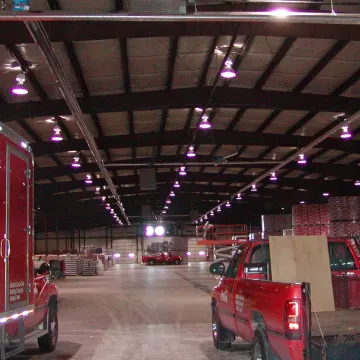
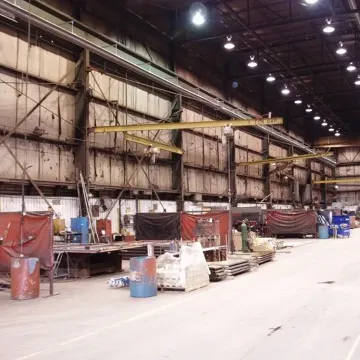
CRC Gas Radiant Heaters are specified across warehouses, manufacturing plants, aircraft hangars, auto dealership service departments, CNG repair facilities, military vehicle bays, ice arenas, natatoriums, agricultural buildings, shipping docks, and smaller commercial spaces. Product selection depends on the building’s ceiling height, corrosion exposure, heating zones, door cycles, and whether full-building or spot-zone heat is needed.
What warranties and support are available?
Warranty coverage varies by product family. Omega II, Reflect-O-Ray, and Serengeti-IR radiant tube systems include a 10-year radiant tube warranty for internally created corrosion and a 3-year burner control warranty. Synergy systems carry a 1-year limited warranty. CRC also supports specification with submittal documents, engineering data, and a North American representative network.